
Profit of Container Houses
The profit of container houses is influenced by factors such as market demand, product types, cost control, and industry competition. The overall profit margin varies depending on a company's positioning and market strategy, with some companies achieving higher profits through technological advantages and economies of scale.
Market Demand and Scale Growth Provide a Profit Foundation
The global market size for container mobile homes continues to expand, reaching $2.43 billion in 2024 and projected to climb to $4.29 billion by 2031, with a compound annual growth rate of 8.6%. This growth is primarily driven by the development of the cultural and tourism industry and consumer upgrades, which have spurred rapid demand for applications in commercial spaces, tourism accommodations, creative offices, and other areas. For example, in 2024, commercial applications accounted for 25%, benefiting from emerging business models such as mobile shops and temporary offices; municipal applications accounted for 12%, with policy support for prefabricated buildings and green building standards further enhancing market competitiveness. The expansion of the market size provides companies with more sales opportunities, laying a foundation for profit growth.
Product Type Differences Affect Profit Level
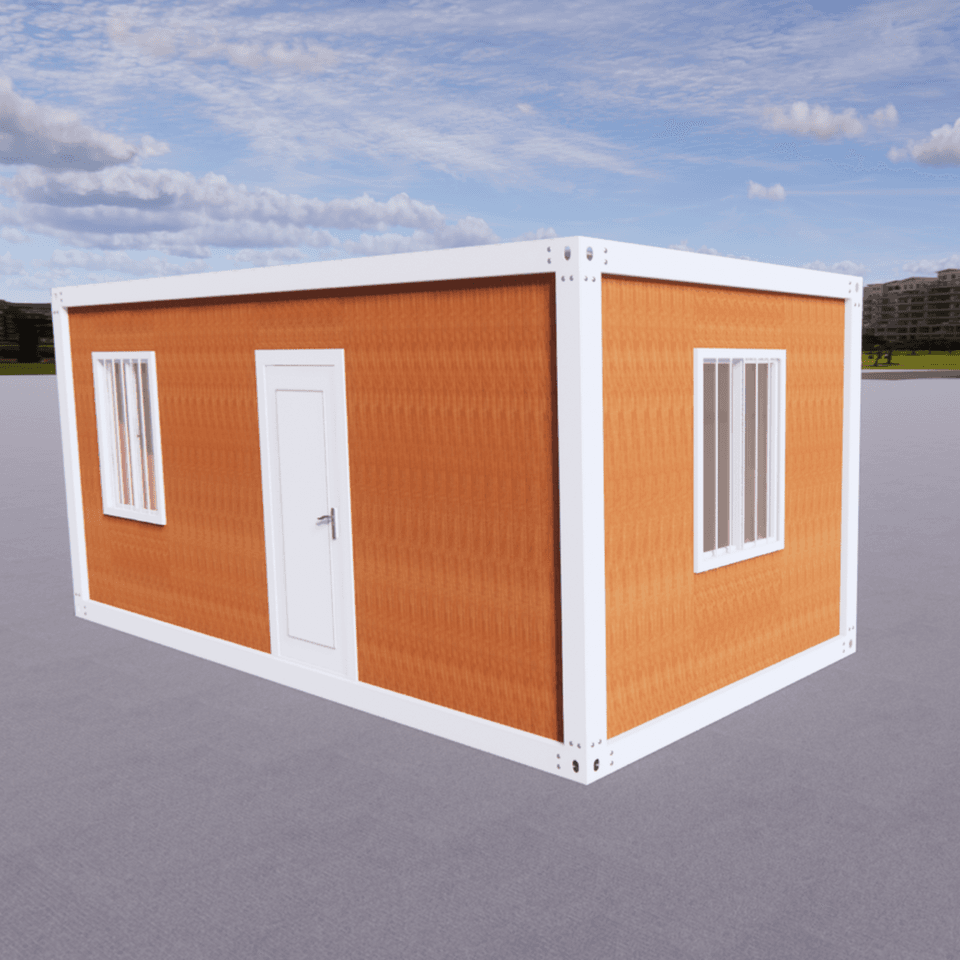
Detachable container mobile homes, with their advantages of flexible combination and rapid installation, accounted for 45% of the market share in 2024, becoming the dominant product. These products are typically priced higher, offering relatively larger profit margins. Cargo container products, with lower costs, account for 25% and dominate the personal housing market. However, they face technical challenges such as limited space and inadequate ventilation, and may compete through low-price strategies, resulting in relatively limited profit margins. Companies that focus on high-value-added products, such as customized and intelligent container houses, can enhance their profit levels.
Cost Control and Economies of Scale Determine Profitability
Companies achieve economies of scale through localized production lines, standardized modules, and full-chain quality control (from profile cutting and surface coating to complete container delivery), effectively reducing unit costs. For example, Anhui Wanzhong Container relies on localized production lines and standardized modules to meet the rapid site entry requirements of construction sites. At the same time, by mastering patented technologies for light steel frame reinforcement and thermal insulation filling, it ensures product stability in extreme environments, enhancing product premium capabilities. Additionally, optimizing supply chain management and reducing intermediate links can further compress costs and expand profit margins.
Industry Competition and Market Stratification Affect Profit Distribution
The market exhibits clear stratification: the low-end market is dominated by price wars, squeezing profit margins; the mid-to-high-end market relies on technological accumulation and after-sales response speed. Companies with flexible customization capabilities and cross-regional delivery networks are more likely to secure large orders and achieve higher profit levels. For example, companies with ISO certification, special project construction filings, and environmental protection inspection reports can avoid acceptance risks associated with unlicensed subcontracting, thereby gaining a competitive advantage and securing higher profits.



