Back to blog
Article
Container House Production and Customization
Admin September 15, 2026
The production and customization of container houses require comprehensive consideration of structural types, performance requirements, application scenarios, and manufacturer service capabilities. Here is a detailed analysis:
I. Structural Types and Customization Directions of Container Houses Container houses can be divided into five categories based on their structure and purpose:
- Standard Container Type: Using 20-foot or 40-foot containers as carriers, these are transformed into independent office units suitable for project departments, construction site command centers, and other scenarios, supporting single or multiple container connections.
- Foldable Type: Adopting a foldable structure, these containers compress in volume during transportation and can be unfolded within 30 minutes, making them suitable for scenarios requiring frequent relocation, such as exploration teams and temporary command posts.
- Modular Type: Combining light steel keels with color-coated steel plates, these are assembled on-site in a modular fashion and can be flexibly expanded according to the number of occupants and functional zoning, commonly seen in temporary offices in industrial parks and event planning sites.
- Expandable Type: Adding side or end expansion modules to the container base, these increase the usable area by 30%-50% after expansion, suitable for long-term on-site offices.
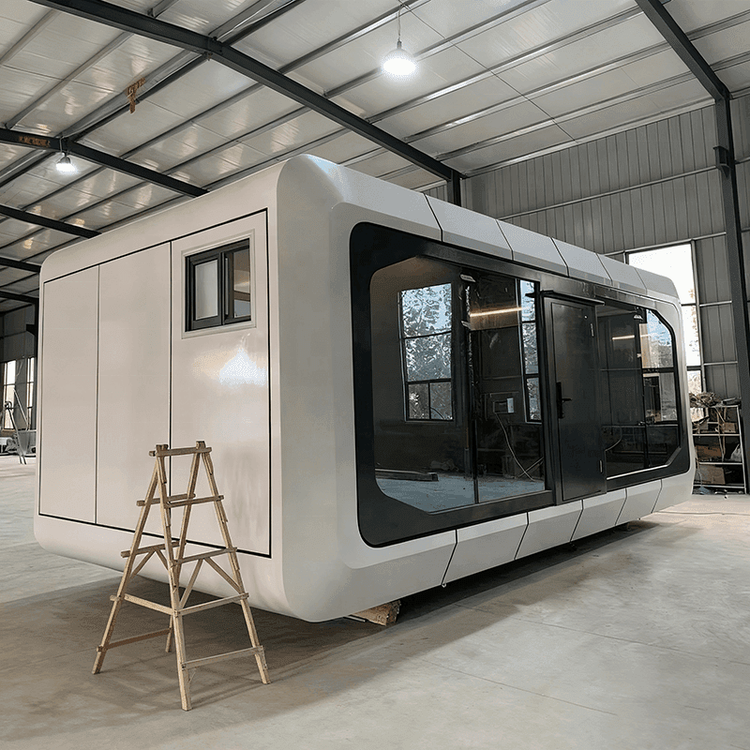
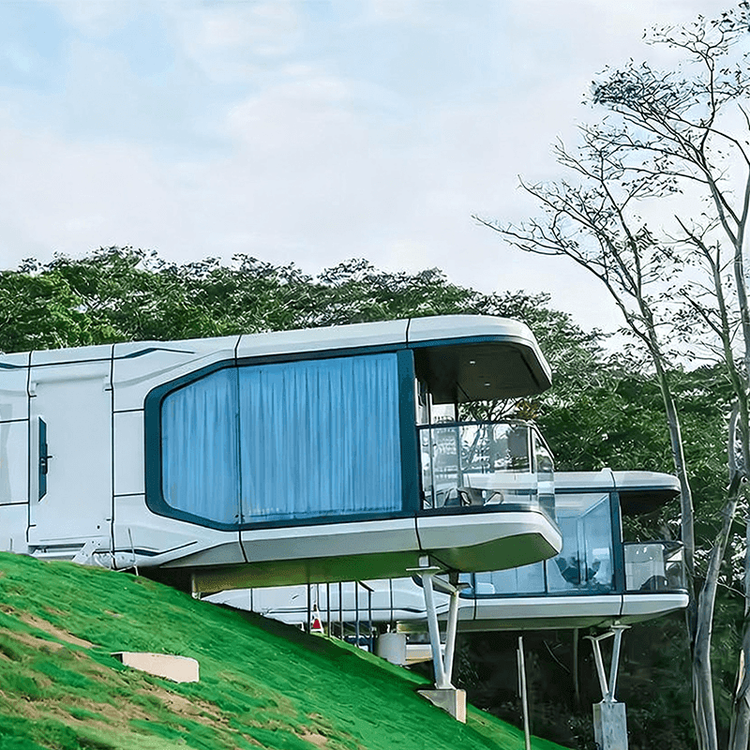
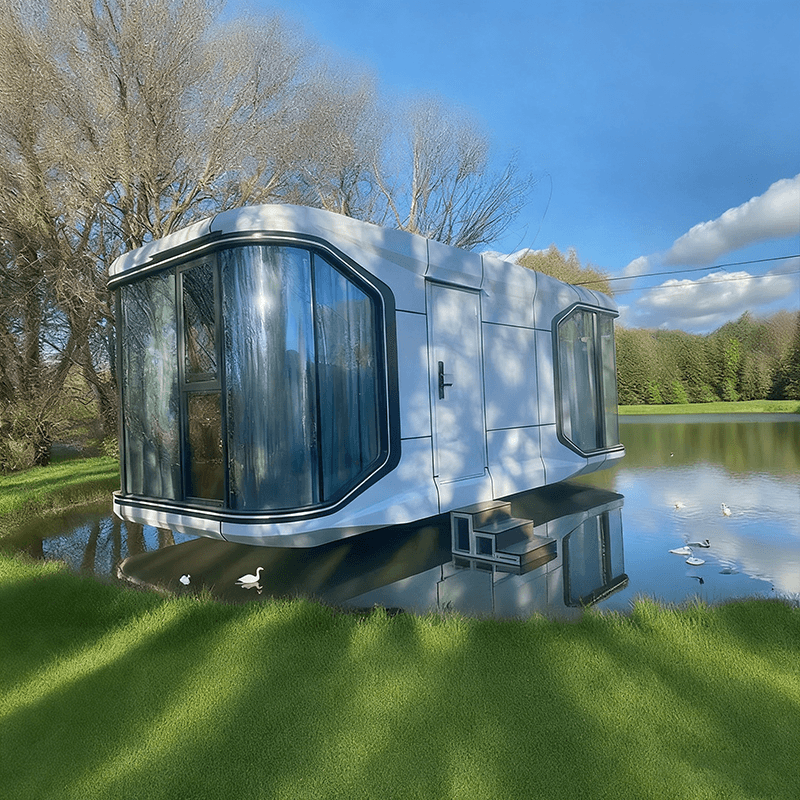
- Customized Creative Type: Incorporating elements such as glass curtain walls, wood grain finishes, and irregular structures, these are used for brand displays, cultural and creative parks, high-end temporary offices, and other scenarios, balancing functionality and visual expression.
II. Performance Requirements and Customization Points
- Structural Stability: Must comply with the GB50011-2010 building seismic design code, with priority given to fully steel structural frames (e.g., products from Suzhou Zhongnan Steel Structure Co., Ltd., with a wind resistance rating of 12 and a seismic resistance rating of 8).
- Installation Efficiency: Choose an installation cycle based on scenario requirements, for example, the Suzhou Zhongnan Quick Assembly Container can be installed in just 2 hours for a single unit, supporting on-demand connection and combination.
- Scenario Adaptability: Engineering camps require rapid delivery, government and enterprise temporary buildings need to adapt to specific functional layouts, and commercial pop-up stores require flexible adjustment of spatial forms.
- Reusability: High-quality products can be disassembled and reassembled more than 15 times, with the cost per use being only one-third of that of a new product.
III. Manufacturer Selection and Service Capabilities
- Brand Qualifications: Prioritize leading enterprises (e.g., CIMC Modular Building Investment Co., Ltd., Suzhou Zhongnan Steel Structure Co., Ltd.) and avoid non-standard white-label products.
- One-Stop Services: Cover the entire process from design, production, installation, to after-sales, for example, Hangzhou Suge Construction Technology Co., Ltd. provides one-stop product and engineering services.
- Customization Capabilities: Adjust the appearance, size, internal layout, and functional configurations according to needs, for example, birdcage house manufacturers can design irregular structures such as waterfront homestays and fishing huts.