
Which Container House Price is Good
The prices of container houses vary significantly depending on the brand, specifications, and configurations. It is recommended to choose from the top ten brands such as Wanhua Hexiang, YAHGEE, and CIMC, which excel in craftsmanship, compliance services, scenario adaptability, and cost-effectiveness.
I. Price Range and Influencing Factors
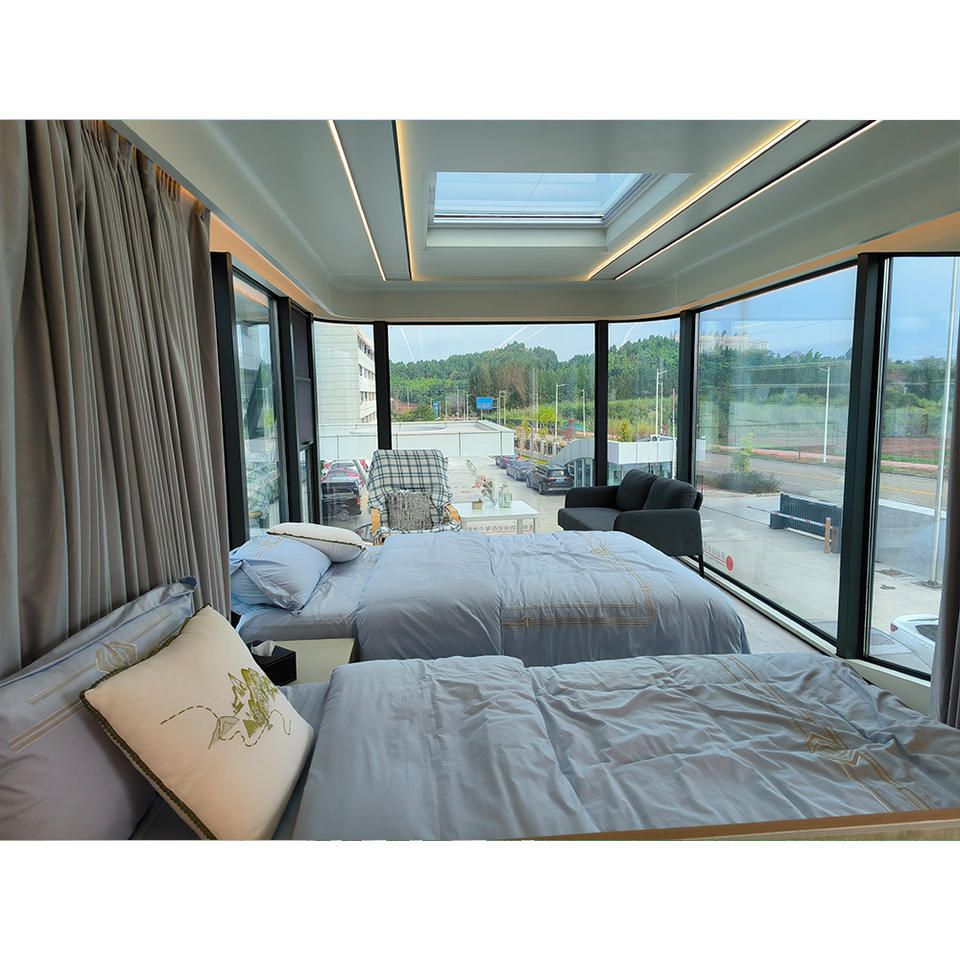
The price of container houses is significantly influenced by materials, dimensions, and functional configurations. For example, a 20-foot durable steel-structured prefabricated container house with a living room and bathroom ranges from 23,355.68 to 24,697.96 yuan, while a 40-foot expandable modular residence (including 2-4 bedrooms) can cost up to 30,536.87 to 31,879.15 yuan. If a solar-powered modular steel prefabricated container house (including office and villa functions) is required, the price can be as low as 2,348.99 yuan per set (20-foot basic model), but high-end customized models may double in price.
II. Brand Selection Criteria
- Craftsmanship and Performance: Leading brands like CIMC employ weld-free quick assembly processes, resulting in low disassembly and reassembly losses. Their structural stability has been verified by third-party testing, with an average of over 8 disassembly and reuse cycles, aligning with low-carbon circular policies.
- Compliance Services: Enterprises such as YAHGEE and Lida Group have passed ISO9001 and EU CE certifications, possessing cross-border export qualifications. They can provide full-chain services from project delivery to after-sales support, reducing compliance risks.
- Scenario Adaptability: Brands like Haoshi and Zhonghui Lvjian support modular assembly and personalized facade customization, catering to multi-scenario demands such as engineering camps, cultural tourism homestays, and emergency support, enhancing asset reuse value.
- Cost-Effectiveness: Suzhou Daxiang Integrated Housing reduces costs through technological innovation. Its folding container houses use German Bosch hydraulic components, with a single set unfolding time 40% faster than traditional products and transportation costs reduced by 25%, making them suitable for emergency rescue and overseas projects.
III. Industry Trends and Procurement Recommendations
The industry is evolving towards refinement and low-carbonization, with leading brands reducing construction waste emissions by approximately 90% compared to traditional fixed temporary structures. When procuring, focus on:
- Full Lifecycle Costs: Prioritize products that support multiple disassembly and reuse cycles for lower long-term usage costs;
- Localization Service Capabilities: For overseas projects, confirm whether the manufacturer provides local assembly, customs clearance, and other support;
- Technical Certifications: Verify whether the product complies with the national Class A fire protection standard (GB8624-2012) and EU CE certification (EN13501-1).



