Container House Prefabricated: Top Options & Considerations
The top options for container house prefabricated should focus on modular design, safety, installation efficiency, customization capabilities, and transaction security. Key considerations include the following aspects:
1. Modular Design and Multi-functional Applications
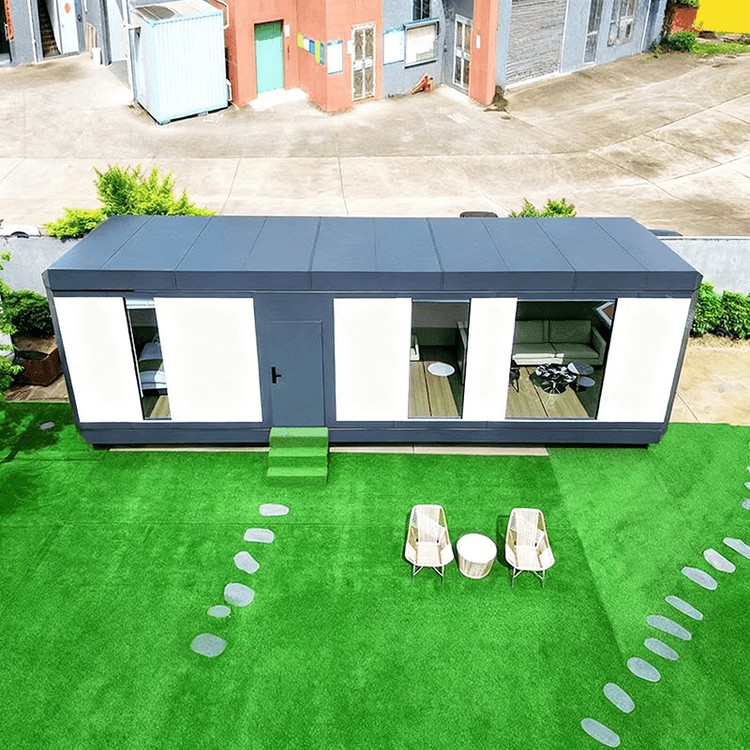
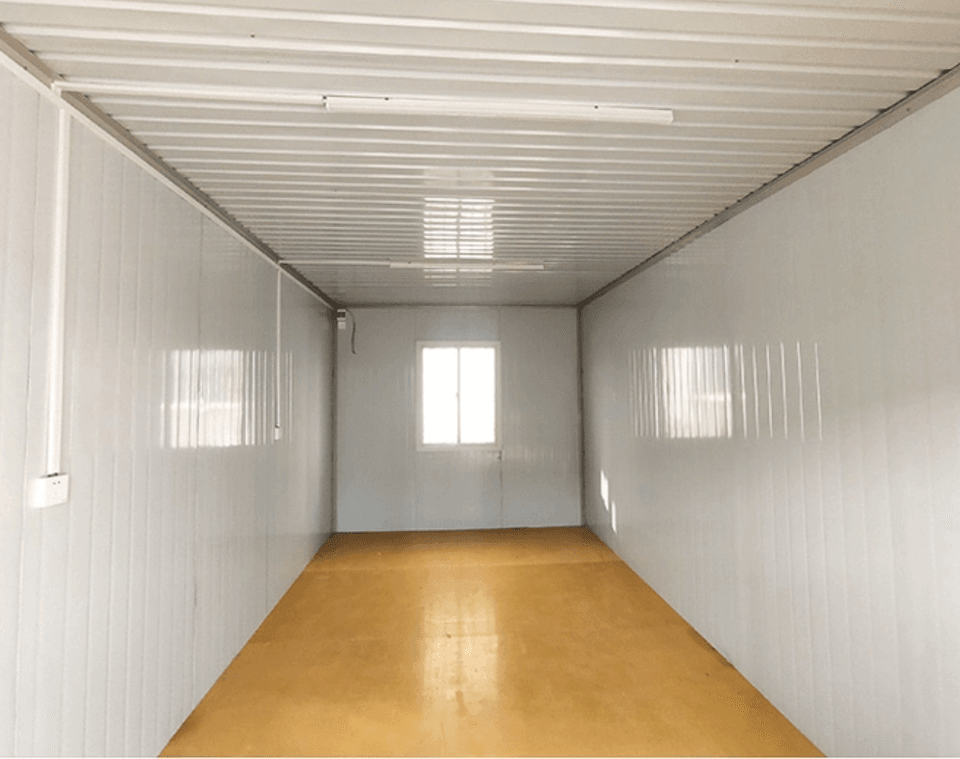
Container houses feature flat-pack modular designs that support rapid assembly and transportation, making them flexible for use in commercial (offices, restaurants, retail spaces) and residential settings. Their structures are framed with high-strength steel and paired with sandwich panels (such as rock wool or polyurethane), providing weather resistance and thermal efficiency to adapt to extreme weather conditions (e.g., high temperatures, severe cold, or humid environments). Modular design also allows for space expansion through stacking or joining, meeting varying scale requirements.
2. Safety and Durability
Ensure that the product complies with international building codes (such as ISO standards or local regulations) and request specific certifications from the manufacturer (e.g., CE certification). The structure should have earthquake resistance (Grade 7) and wind resistance (100 km/h), with a typical design life of 20 years and the ability to be reused more than 5 times, reducing long-term costs. The fire rating should reach Class A1 (non-combustible materials), along with waterproof and thermal insulation designs to prevent internal condensation or temperature fluctuations affecting usage.
3. Installation Efficiency and Cost
Prefabricated components enable installation speeds 50% faster than traditional construction, making them suitable for emergency deployments or short-term projects. Some suppliers offer online installation guidance, and professional teams can assist with on-site assembly, reducing technical barriers. In terms of cost, prices range from $899 to $1,299 per 4-unit set (minimum order quantity required), but note that actual expenses may fluctuate based on configurations (such as door and window types, interior finishes) and transportation distance.
4. Customization and Flexibility
Full customization (e.g., size, layout, exterior color) or partial customization (e.g., adjusting only interior partitions) is supported to meet diverse needs. The houses can serve as temporary facilities (such as construction site dormitories, exhibition venues) or permanent buildings, suitable for industries like hospitality, education, and retail. Flexible design also allows for future renovations or relocations, enhancing asset utilization.
5. Transaction Security and After-sales Service
Choose platforms that offer payment protection (e.g., releasing funds after confirming receipt), dispute resolution, and logistics tracking to reduce transaction risks. Optional pre-shipment inspection services ensure that the quality and quantity of goods comply with contract requirements. After-sales service should include a warranty period (typically 1-5 years) and a rapid response mechanism to address issues during use.
Summary: When selecting, prioritize evaluating the adaptability of modular design, the completeness of safety certifications, the balance between installation efficiency and cost, and whether customization capabilities match your needs. Additionally, leverage platform safeguards to reduce transaction risks and ensure smooth project implementation.