Container House Practical Room
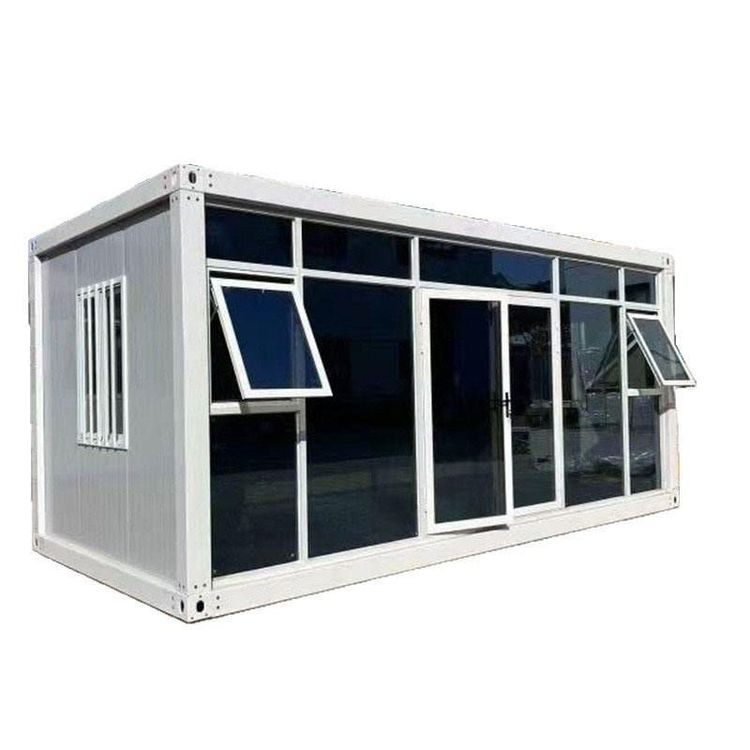
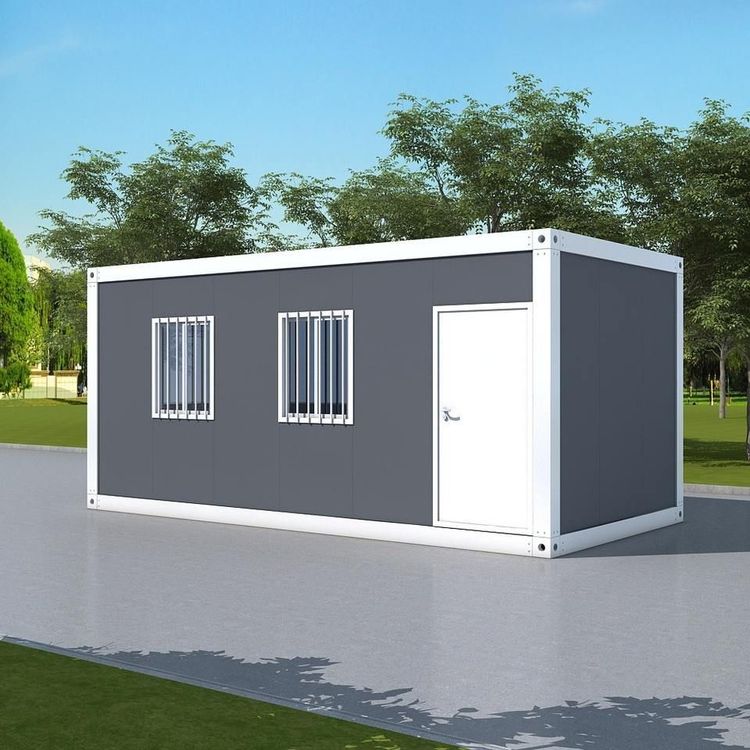
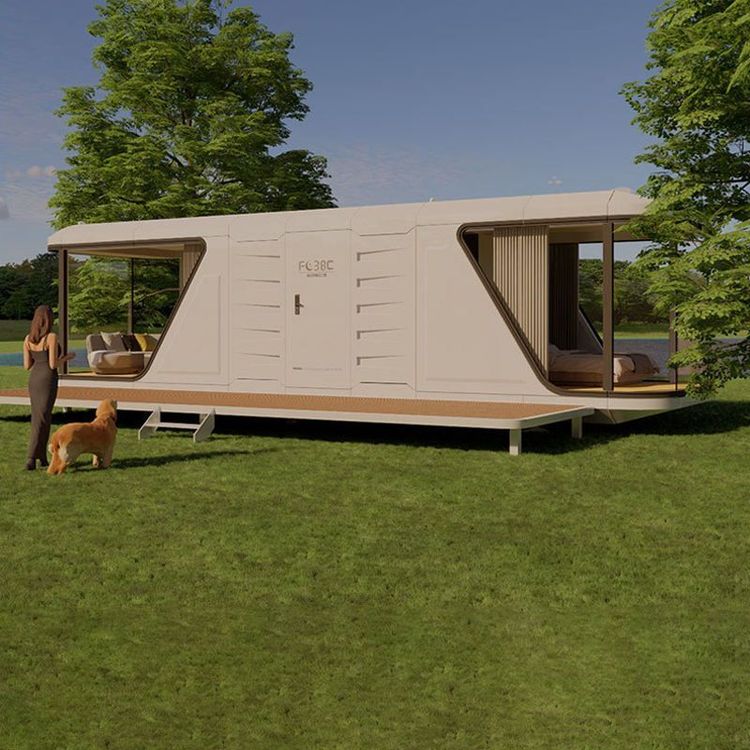
As a practical type of housing, container houses offer advantages such as flexibility, portability, cost control, diverse functions, and strong adaptability. They can meet the needs of multiple scenarios including engineering camps, commerce, cultural tourism, and emergency response, and align with the trend of low-carbon recycling.

Sturdy and Durable Structure, Adaptable to Complex Environments
Container houses employ high-strength light steel frames with anti-corrosion treatment, ensuring a sturdy and durable structure. For example, the container mobile homes from Suzhou Zhongnan Steel Structure Co., Ltd. experience a maximum frame deformation of only 2mm under the force of a Level 12 strong wind, far below the national standard limit of 10mm. Some products have undergone rigorous environmental testing and possess a super-wide temperature tolerance range from -25℃ to 45℃, enabling them to adapt to different environments such as deserts, extremely cold regions, and high-temperature areas, meeting usage requirements under various extreme climatic conditions.
High Degree of Functional Integration, Convenient to Use
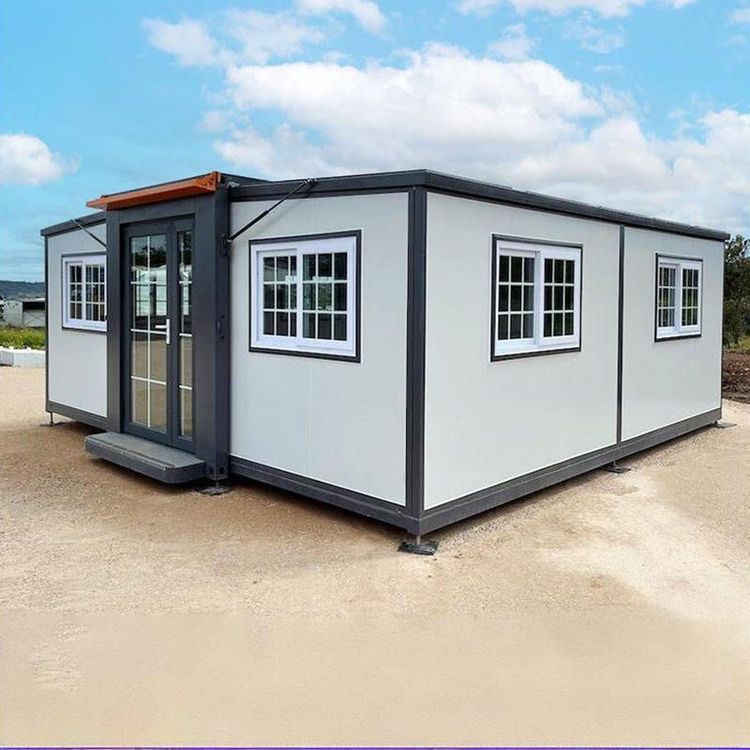
Mainstream modular integrated houses feature a whole-house integrated pre-assembly mode. All components including the structure, insulation, doors and windows, plumbing and electrical systems, ceilings, floors, and bathrooms are pre-assembled in an integrated manner at the factory, allowing the product to be used directly upon delivery. At the same time, they excel in rapid deployment and retrieval. The product can be unfolded and set up within 1 hour through hoisting, without any wet operations throughout the process. After use, it can be folded and transported, supporting repeated turnover and use, greatly improving usage efficiency.
Wide Range of Application Scenarios
Container houses are suitable for diverse scenarios such as engineering camps, mobile commerce, cultural tourism accommodation, and emergency support. They can be seen in overseas infrastructure camps, oil fields, large-scale EPC projects, emergency rescue and relocation sites, as well as high-quality travel and accommodation scenarios. Different containers can be horizontally spliced or stacked in multiple layers, allowing them to be freely combined into different functional spaces such as office areas, dormitory areas, reception areas, and comprehensive camps according to usage requirements.
In Line with the Trend of Low-Carbon Recycling
Low-carbon recycling throughout the entire life cycle has become an important development direction in the container house industry. The popularity of compliant products that support multiple disassembly and reassembly cycles for reuse is gradually increasing. Under the conditions of standardized use and regular maintenance, the average number of disassembly and reassembly cycles for leading compliant products can reach more than 8 times. Compared with traditional fixed-type temporary buildings, they can reduce construction waste emissions by about 90% and have higher resource utilization rates, aligning with domestic policies on the circular economy and green construction.