
Back to blog
Article
Container House Power Configuration
Admin September 14, 2026
The power configuration of container houses requires comprehensive consideration of energy supply methods, power equipment demands, and environmental protection and energy-saving requirements. Common configuration solutions include solar power supply systems, mains power complementary systems, and the combined application of energy storage devices. The following provides an explanation from three aspects: energy supply, equipment configuration, and energy-saving optimization:
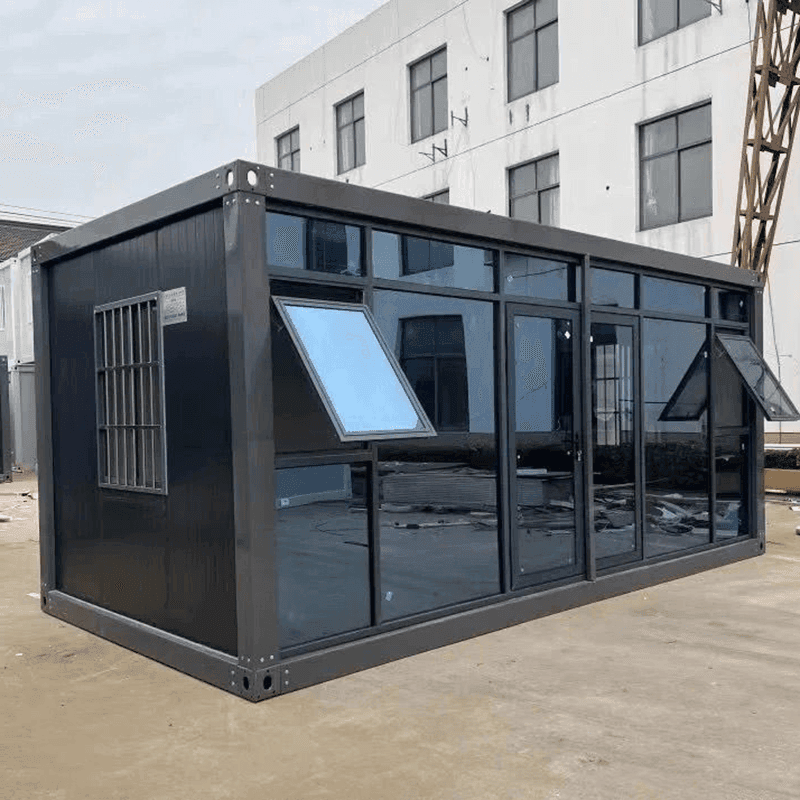
I. Energy Supply System Configuration
- Solar Power Supply System: Container houses generally use solar photovoltaic panels as the core power supply method. Through photovoltaic modules, light energy is converted into electrical energy to meet basic power demands such as indoor lighting and electrical appliances. Some upgraded solutions use new photovoltaic-thermal panels to achieve integrated power generation and heat production, further improving energy utilization efficiency.
- Mains Power Complementary System: When solar power supply is insufficient (such as on cloudy or rainy days), the system automatically switches to mains power access to ensure power stability. Some container houses adopt a dual-circuit design of "solar + mains power" and use intelligent controllers to achieve dynamic energy allocation.
- Energy Storage Device Configuration: Equipped with battery packs to store excess electrical energy, which is released at night or when there is insufficient light, reducing reliance on mains power. For example, the power consumption of an improved container house can be reduced to 674.7 kWh per year, significantly reducing operating costs.
II. Power Equipment Configuration Principles
- Basic Equipment: Includes lighting systems (LED energy-saving lamps), air conditioning or floor heating systems (priority is given to low-energy-consuming equipment such as air-source heat pumps), water heaters, and small household appliances. Power demands need to be calculated based on the house area and the number of occupants.
- Intelligent Control System: Install an energy management module to monitor power usage data in real-time and optimize allocation. For example, after replacing traditional radiators with floor heating systems, the indoor temperature fluctuation range is reduced from 78% to 12.5%, significantly improving comfort and energy efficiency.
- Safety Protection Devices: Equip with leakage protectors, overload protection switches, and grounding devices to ensure power safety. The electrical wiring of container houses needs to use fire-resistant and waterproof materials and comply with national building electrical codes.
III. Energy-Saving Optimization Measures
- Equipment Energy Efficiency Upgrade: Select first-class energy-efficient household appliances such as inverter air conditioners and energy-saving refrigerators to reduce unit energy consumption.
- Building Insulation Improvement: Improve the house's insulation performance through materials such as wall sandwich panels and double-glazed windows to reduce heating/cooling energy consumption.
- Renewable Energy Integration: Combine with rainwater harvesting systems and sewage treatment devices to achieve the recycling of water and power resources and further reduce environmental loads. For example, in a certain project, through the linkage of photovoltaic power generation and floor heating, carbon emissions were reduced by nearly twice.



