Container House Pastoral Homestay
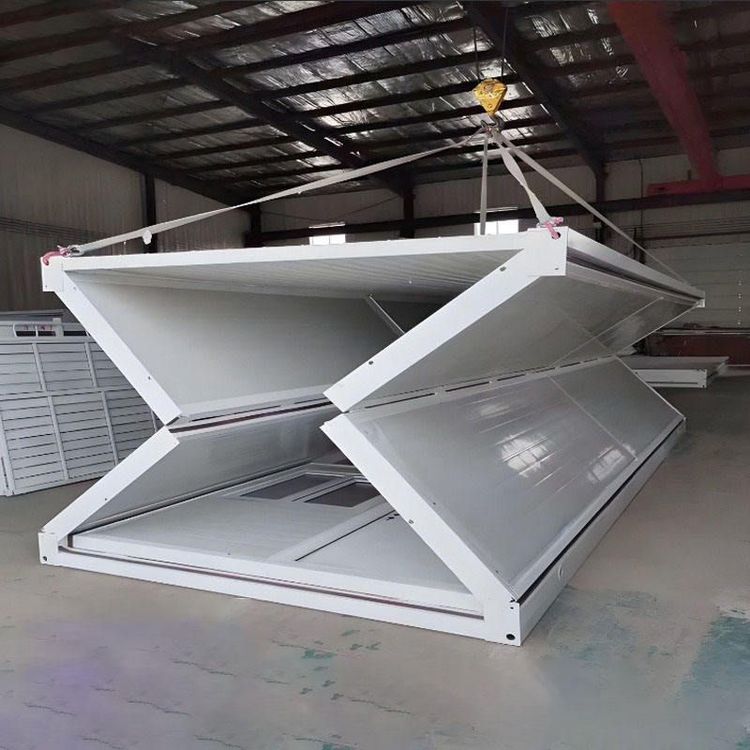
Container houses used in pastoral homestays offer advantages such as low cost, environmental friendliness, flexibility, and strong environmental adaptability. They can expand space through the connection of multiple containers, meeting the needs of pastoral scenarios, but attention should be paid to compliant implementation.
Cost and Delivery Efficiency Advantages
Container homestays use standardized containers as carriers, and most of the renovations are completed in factories in advance. The renovation period for a single container is usually 15-30 days, much faster than the 3-6 month construction period of traditional homestays. Only foundation construction and water and electricity connections are required on-site, significantly shortening the project implementation cycle and helping project parties start operations and recover costs earlier. At the same time, the procurement cost of retired containers is low, and the overall construction cost is lower than that of traditional brick-and-mortar homestays, reducing the upfront investment pressure on project parties.
Environmental Protection and Flexibility Advantages
The renovation of retired containers is a form of waste material reuse, in line with the concept of low-carbon environmental protection and the ecological protection requirements of cultural and tourism projects. Container homestays can be relocated as a whole. When the site lease expires or there are changes in customer flow, they can be disassembled or lifted and moved to a new site for reuse, avoiding asset idleness and being very suitable for pastoral scenarios that require flexible operations.
Environmental Adaptability Advantages
Container bodies are made of high-strength steel. After renovation, they have better wind and earthquake resistance than ordinary light buildings and have low site requirements, only needing cement piers or steel structure supports for fixation. Whether it is complex pastoral slopes or dry and windy regions, they can adapt and reduce damage to the original environment, in line with the development requirements of ecological cultural tourism.
Product Features and Space Expansion
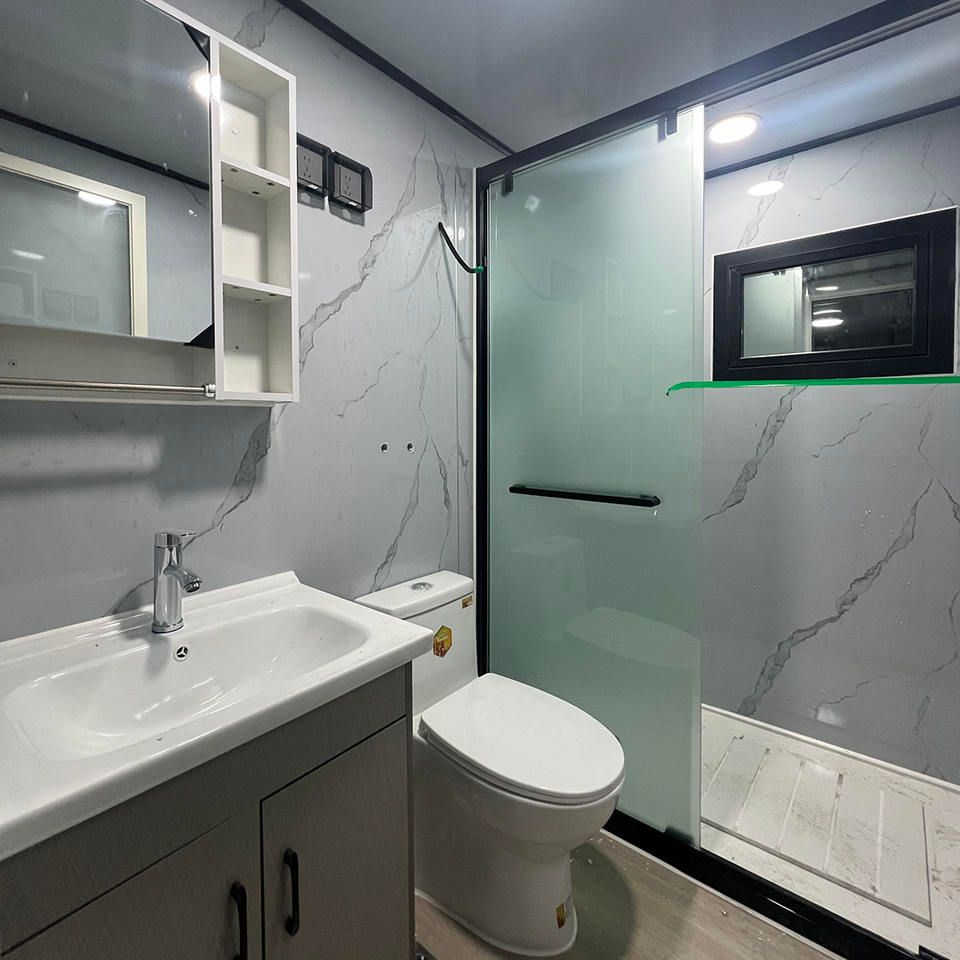
Manufacturers will carry out anti-corrosion treatment on the container bodies, add insulation layers, and equip them with complete bathrooms, bedding, and furniture, meeting comfortable living needs while retaining the industrial style recognition. Space can also be expanded through the connection of multiple container bodies, using methods such as stacking vertically and combining horizontally to create various apartment types such as duplexes and lofts, meeting different accommodation needs.
Compliant and Rational Implementation Tips
Container homestays are prefabricated modular facilities. Their actual implementation should comply with local land policies, site nature, and business purposes, follow local management regulations, complete filing and relevant procedures as required, and strictly prohibit illegal land use and illegal construction.