
Back to blog
Article
On-site Installation of Container Houses
Admin September 15, 2026
The on-site installation of container houses mainly includes steps such as selection, ground treatment, lifting and positioning, splicing and fixing, and water and electricity connection.
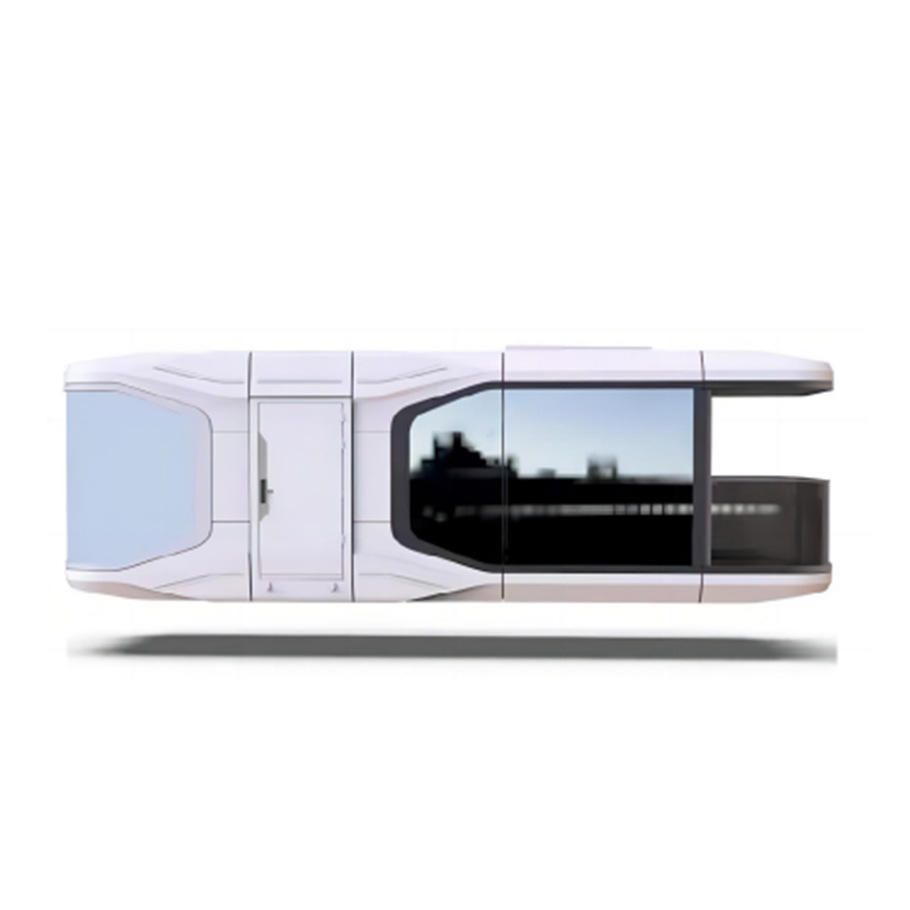
- Selection Stage: Attention should be paid to the structural type, with common options being welded integral containers and bolt-connected modular containers. Welded containers have strong resistance to deformation and are suitable for frequent lifting and movement; for bolt-connected containers, it is necessary to check the tightness of the joints. At the same time, the wall thickness of the steel columns and bottom beams should be checked (commonly ranging from 1.5 mm to 3 mm), with thicker walls providing greater load-bearing redundancy. In addition, the coating process on the container surface is also crucial, with hot-dip galvanizing offering a longer anti-corrosion lifespan than cold-dip galvanizing.
- Ground Treatment: A uniform load-bearing foundation should be provided for the container house. First, remove the loose soil and debris from the ground and compact the original soil layer. For long-term fixed use, a concrete strip foundation should be poured, with a width of 30 cm to 50 cm and a depth determined by the thickness of the local frost layer. The horizontal height difference of the foundation top surface should not exceed 5 mm. For short-term use, pre-fabricated concrete pads or steel plates can be used, with a pad spacing of no more than 2 m and a crushed stone leveling layer laid underneath.
- Lifting and Positioning: Container houses usually have four or six lifting points at the bottom. When lifting, use steel wire ropes with sufficient load-bearing capacity to ensure that all lifting points are subjected to synchronous force and avoid container distortion. After the container is positioned, check the fit between the bottom beam and the foundation pad. If there is local suspension, use thin steel sheets to pad it solid. Use a level to detect the levelness of the bottom beam, with an error controlled within 2 mm per meter.
- Splicing and Fixing: After the modules arrive at the site, they are lifted and spliced like building blocks, which can be operated by 2 to 3 people and can be completed in as fast as a few hours. When splicing, pay attention to the firm connection between the modules to ensure overall stability.
- Water and Electricity Connection: Since the interior decoration has been completed in the factory, only external water and electricity connections are required on site, and the container house can be put into use on the same day. Ensure that the water and electricity connections are correct and safe to avoid problems such as water leakage and electric leakage.



