
New Regulations on Container Houses
Whether a container house is considered an illegal structure depends on specific conditions, with the core being whether planning permission has been obtained, whether the land nature has been changed, or whether permanent occupation has been formed. The following provides an explanation from four aspects: legal definitions, determination criteria, regional differences, and compliance suggestions.
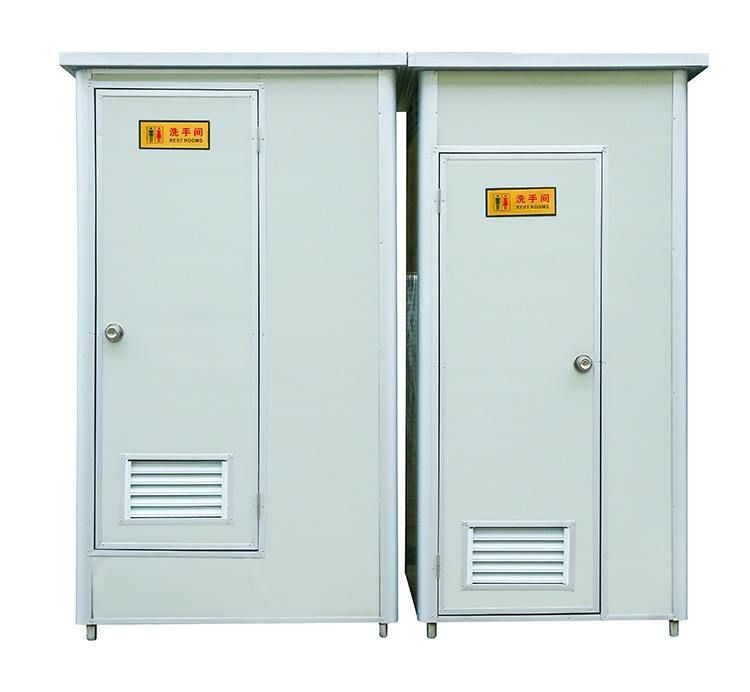
1. Legal Definitions and Core Determination Criteria
According to current regulations, an illegal structure must meet the following conditions: failure to obtain planning permission, occupation of land outside the planned area, unauthorized alteration of land nature or building function. The uniqueness of container houses lies in their essence as "movable metal components". If they meet the three characteristics of detachability, no foundation, and no land occupation, they are generally not considered illegal structures. For example, in 2024, a local natural resources bureau clarified that container houses used solely for agricultural material storage, with unhardened ground and no access to water and electricity, are not regarded as illegal structures because they do not change the land nature or form permanent occupation. However, if concrete foundations are poured, water and electricity are connected for long-term residence, or they are converted into commercial homestays, they may be demolished for "substantially altering land use".
2. Key Determination Factors
- Land Nature: Container houses are absolutely prohibited in basic farmland and ecological protection zones; they can only be placed on non-construction land such as barren hills and slopes with permission from the land management department.
- Usage Function: Watchhouses used solely for temporary storage of agricultural materials and tools are generally legal; if converted to commercial or residential uses such as homestays or residences, planning permission is required.
- Ground Treatment: Hardening the ground or constructing permanent foundations (such as laying ground beams) will trigger illegal structure determination.
- Approval Procedures: Some regions require temporary building registration (e.g., a 2025 regulation in a certain province requires registration for container houses in fields), even if used solely for storing agricultural tools.
3. Regional Policy Differences
- Inclusive Regions: Coastal cities like Shanghai and Shenzhen have introduced special policies to encourage the use of container buildings in cultural tourism and commercial sectors.
- Strictly Controlled Regions: Some major agricultural provinces require registration for container houses in fields and prohibit their placement in basic farmland and ecological protection zones.
- Hidden Pitfalls: For example, a camping business owner in Yunnan was fined 30,000 yuan for placing a container house in leased forest land to operate a coffee bar without obtaining forestry fire protection approval.
4. Compliance Suggestions
- Consult in Advance: Before placement, confirm the land nature and approval requirements with local planning and land management departments.
- Avoid Permanence: Do not harden the ground, connect to water and electricity, or convert to commercial uses.
- Register for Backup: In regions requiring registration, promptly complete temporary building procedures.
- Stay Updated on Policies: Some regions (e.g., a 2025 regulation in a certain province) may adjust management requirements.



