What is a Container House Called
Container houses are usually called container mobile homes, container residences, or box houses. Here is a detailed introduction:

Definition and Origin
Container houses originated from the standardized cargo container transportation system after World War II, initially used for cross-border cargo transportation. Due to their sturdy steel structures and uniform sizes, they were later widely transformed into temporary residences, offices, and even creative spaces. This construction method belongs to "modular prefabricated buildings", which are prefabricated in factories and quickly assembled on-site, greatly shortening the construction period while offering advantages such as mobility and environmental protection.
Types and Processes
There are two main production and processing processes for container houses:
- Direct Transformation: Transformed directly from shipping containers, retaining the original structure and strength of the containers.
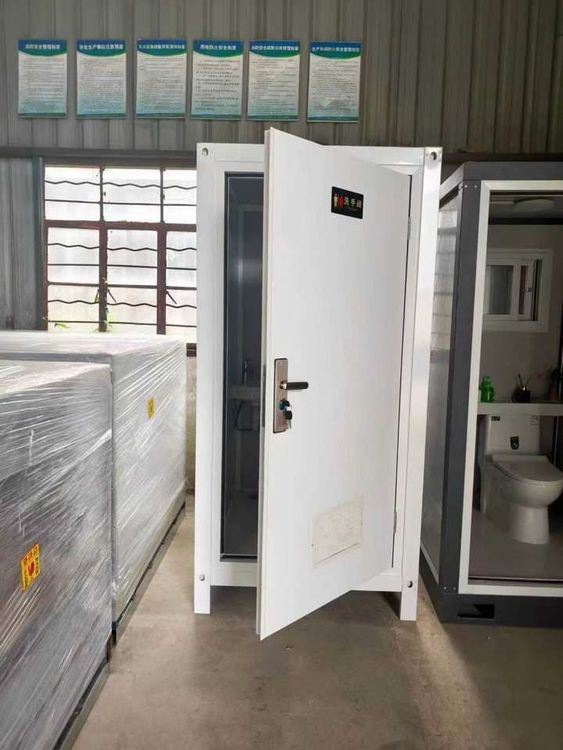
- Factory Prefabrication: In the production factory, through structural design, the top and bottom are made according to the size of the container. The top and bottom are connected by columns with high load-bearing capacity to form a frame, and then combined with color-steel sandwich panels as walls. This process is more common and allows for customized designs according to needs.
Application Scenarios
Due to their flexibility and cost-effectiveness, container houses are widely used in multiple fields:
- Engineering Camps: Used as worker accommodations, offices, canteens, etc., meeting temporary or semi-permanent engineering needs.
- Tourism and Leisure: Built as campsites, resorts, beach huts, etc., providing unique accommodation experiences.
- Emergency Facilities: Quickly set up temporary offices, medical centers, temporary shelters, etc., suitable for emergency response and temporary events.
- Commercial Districts: Used as offices, shops, restaurants, etc., suitable for entrepreneurs and businesses to quickly start operations.
Advantages and Characteristics
- Safe and Durable: Made of high-strength steel structures, they have properties such as wind resistance, rain resistance, moisture resistance, heat insulation, sound insulation, and thermal insulation.
- Flexible and Convenient: Easy to construct and dismantle, they can be stacked in multiple layers according to needs to adapt to different scenarios.
- Cost-effective and Environmentally Friendly: Processed in factories, they reduce construction waste, save costs, and comply with environmental protection concepts.