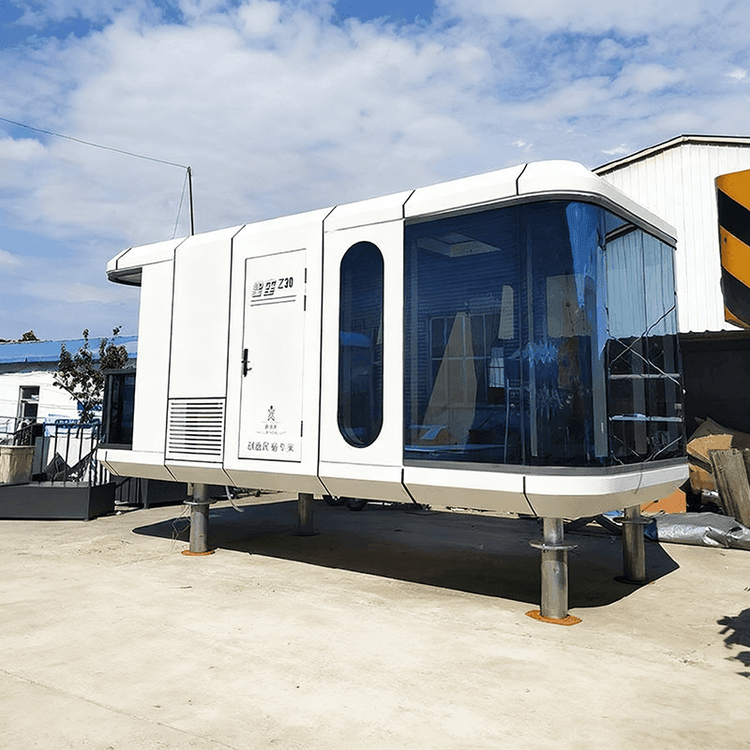
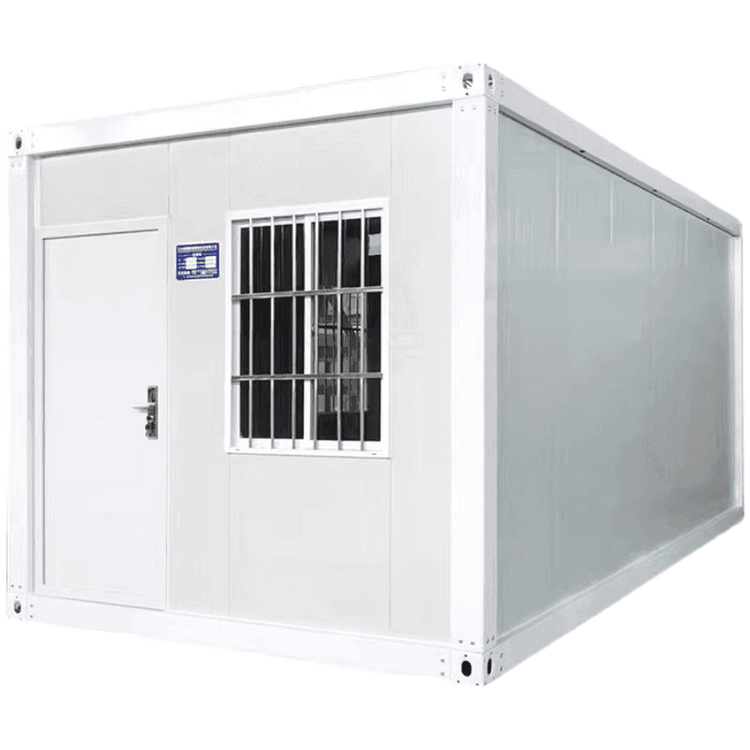
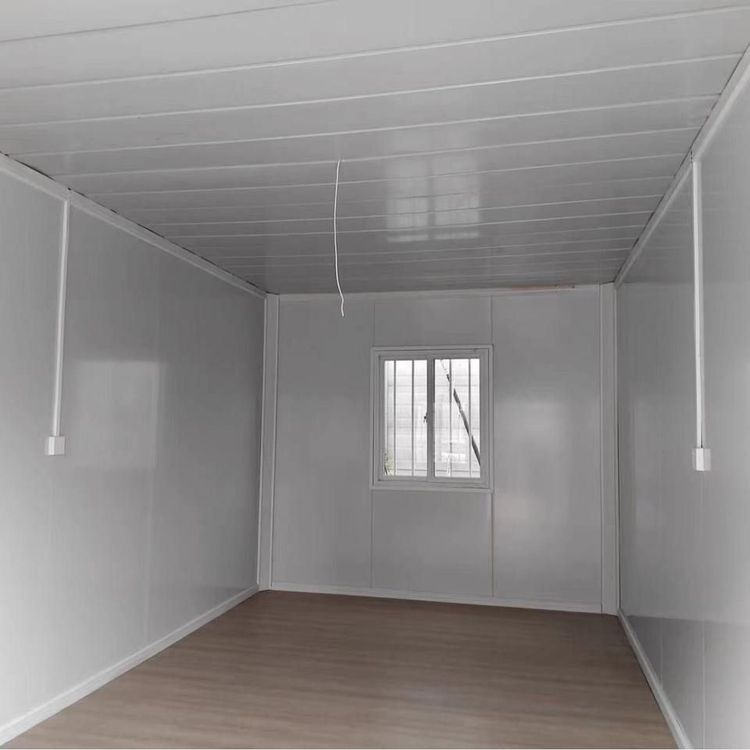
Container House Musk
The container house where Musk lives is essentially a prefabricated house (Prefabricated Houses), characterized by convenience, cost-effectiveness, and innovation. Details are as follows:
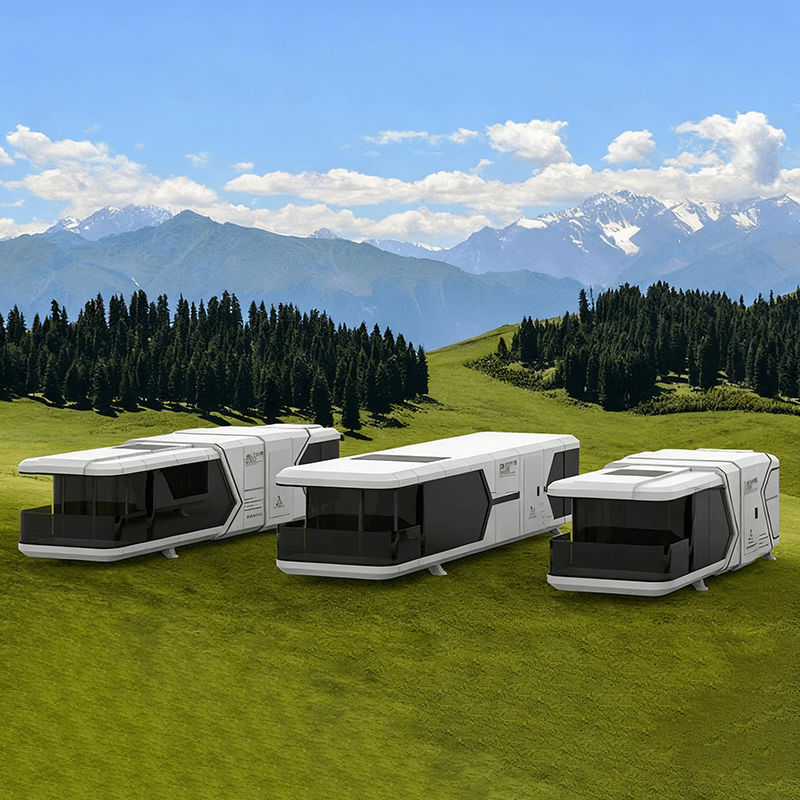
Basic Information of the House
The container house where Musk resides covers an area of only 37 square meters and is priced at approximately $50,000. It is launched by Boxabl in Las Vegas. Before the news broke, 40,000 people had already queued up to make reservations, with 2,000 customers paying deposits. After making some personalized improvements, Musk confidently stated that its value had reached $69,000.
Characteristics of Prefabricated Houses
- Innovative Construction Method: Unlike traditional buildings that are constructed, decorated, and equipped on-site, most of the construction work for prefabricated houses, including the pre-installation of water and electricity pipelines, is completed in the factory. They are then folded, packaged, and transported to the site for assembly, ultimately becoming a fully furnished, appliance-equipped, and ready-to-move-in modern residence. In the official promotional video, this prefabricated house is even transported by a Tesla car, fully demonstrating its convenience and innovation.
- Cost-Effective: The prefabricated house where Musk lives is relatively inexpensive, costing only around $50,000, and the subsequent operating costs may also be low. It is a good choice for those who pursue cost-effectiveness or have a limited budget.
- Flexible and Portable: This type of house is relatively small when folded. For example, the house where Musk lives is only 8 feet wide (about 2.4 meters) when folded, roughly the size of a truck container. It is easy to transport and can be moved to any desired location, adapting to different geographical locations and usage requirements.
Reflection of the Shift in Business Thinking
Musk's move into a container house may represent the future development direction of 'plug-and-play, use-and-discard' in the business sector. This concept is not unenvironmentally friendly; rather, it emphasizes not monopolizing or owning resources but making them public and using them with maximum efficiency. Shared economy and IT cloudification are examples of this trend.