
Back to blog
Article
Moisture-Proof Functions of Container Houses
Admin September 15, 2026
Container houses have multiple moisture-proof functions, mainly achieved through structural design, material selection, and auxiliary measures for effective moisture prevention.
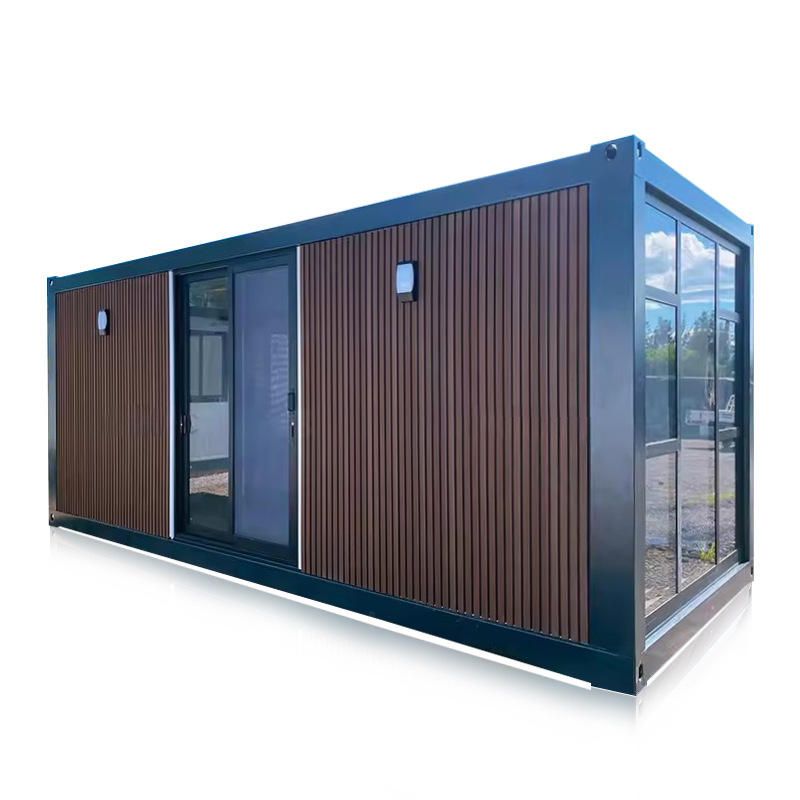
Structural Design for Moisture Prevention
- Elevated Bottom Design: Some container houses use independent foundations to elevate the containers above pile foundations, avoiding direct contact with the ground. This effectively prevents ground moisture from intruding, while also repelling insects and facilitating site leveling. For example, container villa courtyards adopting this design can cope with ground moisture return issues.
- Bottom Ventilation Channels: Moisture-proof container houses are equipped with moisture-proof pads at the bottom, along with bottom ventilation channels to疏导 ground moisture. Even when placed on unhardened ground such as mud or grass for extended periods, they are less prone to moisture and mold, making them suitable for scenarios like suburban warehouses and field guardhouses.
Material Selection for Moisture Prevention
- Moisture-Proof Panels: The wall panels incorporate moisture-proof substrates internally, enhancing the overall moisture resistance of the house.
- Moisture-Proof Coatings: The surfaces of container houses are treated with moisture-proof coatings. Choosing formal moisture-proof coatings with functions such as anti-mold growth, efficient prevention of moisture intrusion, corrosion resistance, and non-peeling properties can address moisture issues at the source, preventing container contamination and odor generation, protecting items from moisture damage, and maintaining the integrity of the container surface over the long term.
Auxiliary Measures for Moisture Prevention
- Desiccants: Desiccants are used inside container houses, such as Topone Container Desiccant Strips D-1000, which use calcium chloride as the main moisture-absorbing component, compounded with other food-grade materials. They have high moisture-absorbing performance and can effectively reduce indoor humidity.
- Sealing Treatment: Check whether the door seals of the container house are intact and undamaged, and whether there are any gaps in the door seams and ventilation openings to ensure good sealing and prevent the infiltration of external rainwater and moisture. At the same time, before loading, check whether the container is dry and clean. If there are water stains or rust marks, thoroughly wipe them and ventilate until dry.



