
Container House Modular Components
Container house modular components are modular building forms constructed by combining and assembling containers as basic units, featuring rapid construction, low cost, and mobility.
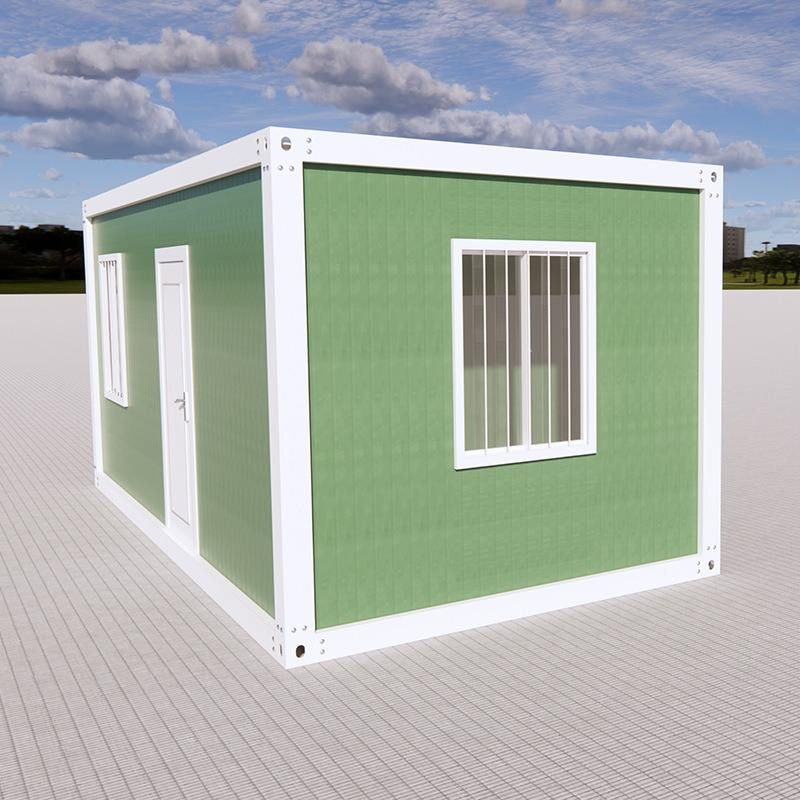
Core Materials and Processes: Container house modular components adopt a steel frame structure, with corrosion-resistant steel plates and eco-friendly panels as core materials, combined with ship corrosion prevention processes. This design enables a service life of over 20 years and supports customized designs in standard sizes ranging from 20 to 60 feet, meeting spatial needs in various scenarios. Corrosion-resistant steel plates effectively resist environmental erosion, while eco-friendly panels align with sustainable development principles, ensuring environmental friendliness throughout the building's lifecycle.
Functional Characteristics and Adaptability: The modular design provides the freedom to combine components, allowing internal spaces to be flexibly divided according to actual uses, suitable for various scenarios such as residential, office, and emergency spaces. For example, engineering camps require rapid installation, structural stability, and cost-effectiveness, while commercial temporary spaces demand flexible layouts, customizable appearances, and high reusability. This adaptability makes them ideal choices for temporary buildings, post-disaster reconstruction, and other fields.
Balance Between Structure and Appearance: Some container houses retain external corrugated steel structures and serial numbers during renovation, while covering them with regular wall panels and spray foam insulation materials. This design preserves the industrial aesthetics of containers while enhancing living comfort through insulation materials, creating a unique balance between function and appearance. Internal spaces can be further optimized, such as adding partitions, lighting, and ventilation systems, to meet different functional needs.
Diversity of Application Scenarios: Container house modular components have a wide range of application scenarios. In the engineering field, their rapid deployment and mobility can significantly shorten construction cycles; in the commercial field, customized appearances and flexible layouts can meet brand display needs; in emergency scenarios, their structural stability and modular characteristics enable the rapid construction of temporary medical stations or shelters. Additionally, their high reusability reduces long-term usage costs, aligning with trends in efficient resource utilization.



