
Container House Modular Building
Container house modular building is a construction model that breaks down a complete house into standardized modules, which are prefabricated in a factory and then transported to the site for rapid assembly. The following provides an introduction from four aspects: technical characteristics, construction process, application scenarios, advantages, and challenges.
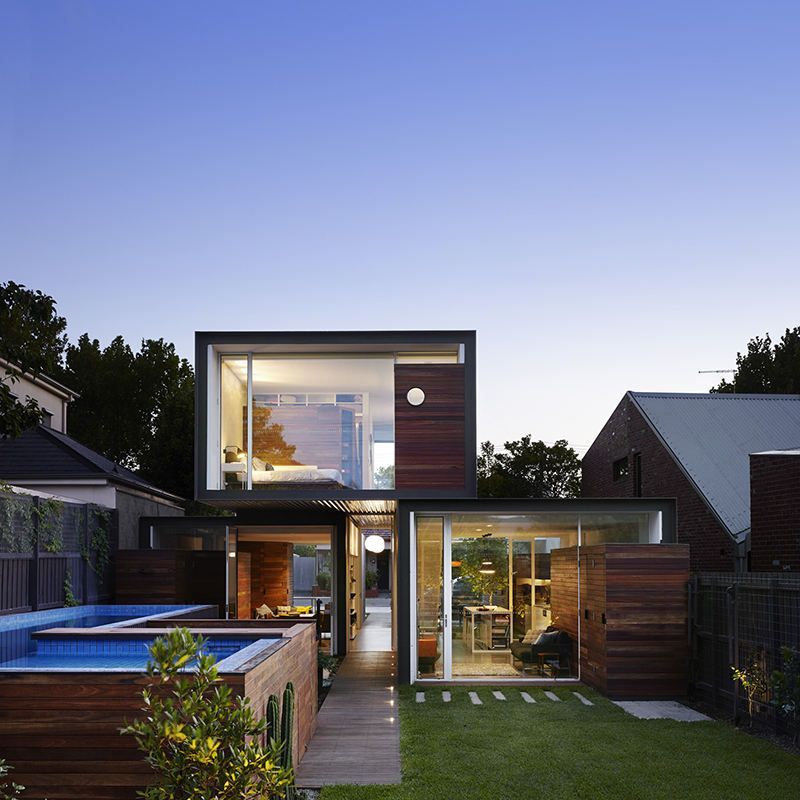
Technical Characteristics
Container house modular buildings use containers or similar standardized boxes as basic units. The main frame is mostly welded with hot-dip galvanized square steel, and the wall panels are made of insulation materials such as aluminum-zinc color-coated steel plates combined with rock wool, glass wool, or polyurethane, ensuring structural stability and thermal insulation performance. Some products, like the Apple Pod, adapt to diverse needs ranging from single-room B&Bs to multi-functional spaces through curved roof designs, integrated metal wall panels, and flexible size combinations (e.g., conventional domestic sizes of 3m × 6m and foreign trade sizes ranging from 5.8m × 2.2m to 11.5m × 2.2m). Additionally, photovoltaic integration technology enables some modules to operate off-grid, meeting full-scenario power demands through crystalline silicon photovoltaic components on the roof and facade, combined with energy storage batteries.
Construction Process
Modular construction adopts a parallel operation model: on the factory assembly line, the main structure, plumbing, electrical wiring, bathroom fixtures, cabinets, wardrobes, and even soft furnishings are completed; after transportation to the site, the modules are connected structurally and cast with concrete to form an integrated whole, assembled like building blocks. For example, a Shenzhen-based enterprise customized modular houses for Australia, completing plumbing, decoration, and interior soft furnishings in the factory. Upon arrival, only the connection of water and electricity was needed for “move-in readiness,” reducing the construction period by more than half compared to traditional methods.
Application Scenarios
Container house modular buildings cover various fields, including engineering camps, commercial pop-ups, government and enterprise temporary structures, emergency rescue, data centers, elderly care apartments, and hotels. For instance, CIMC Modular Building provided 63 elderly care apartment modules for UK clients, completing on-site hoisting in two weeks; China Construction Science and Industry Corporation's hotel project in Papua New Guinea reduced the delivery period from 14-18 months to 7 months through a modular solution. Furthermore, the global surge in AI computing infrastructure has driven demand for prefabricated modular data centers, such as the Malaysia 2312 project, which had a construction period of less than 10 months, nearly half that of traditional methods.
Advantages and Challenges
Advantages include:
- Efficiency Improvement: Parallel operations allow multiple processes to proceed simultaneously, reducing the construction period by more than 60% compared to traditional methods.
- Cost Savings: On-site personnel are reduced by more than 50%, steel waste is lowered to 3%-5%, and the use of flooring materials is decreased by 60%-70%.
- Quality Control: Factory standardized production reduces construction errors from the centimeter level to the millimeter level, with structural stability meeting seismic design specifications (e.g., frame deformation of only 2mm under 12-level strong winds).
- Environmental Protection and Flexibility: Construction waste, dust, and noise pollution are significantly reduced. Modules can be repeatedly disassembled, relocated, and have a design life of over 20 years.
Challenges include: high initial investment costs, requiring large-scale production to amortize costs; strict adherence to installation specifications in extreme environments to avoid safety risks from improper use; and some non-standard products may suffer from reduced wind and earthquake resistance due to inferior materials.



