
What is the Maximum Length of Container Houses on Domestic Railways
The maximum legal length of container houses for domestic railway operations is 15.24 meters, corresponding to the 50-foot container specification. Here is a detailed explanation:
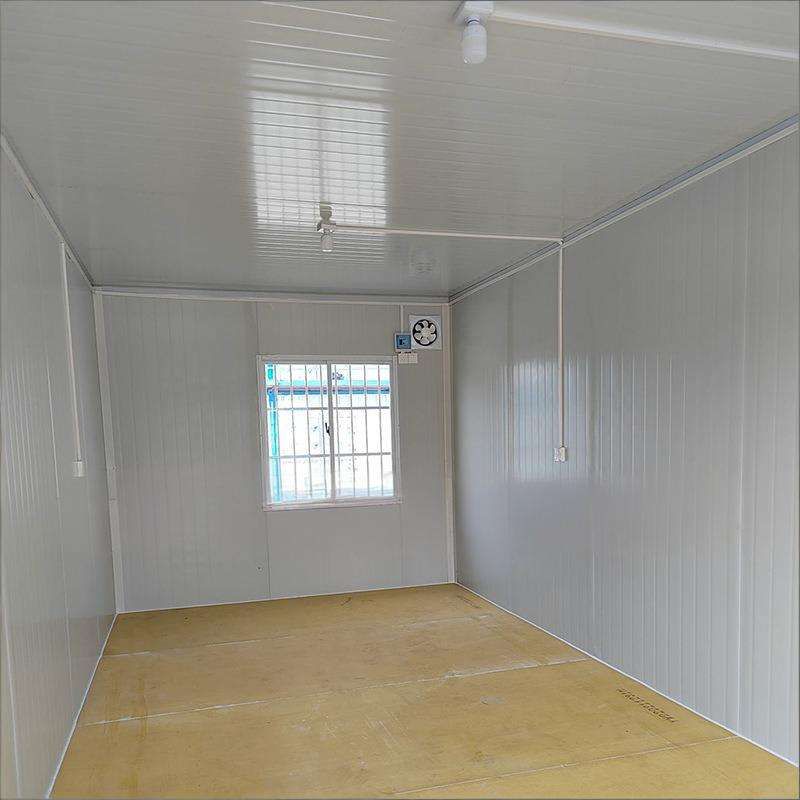
In domestic railway transportation, the length of container houses must strictly adhere to railway transportation regulations. Currently, the longest standard container for domestic railway operations is the 50-foot specification, with a length of 15.24 meters. This size is the legal upper limit determined by the railway authorities based on a comprehensive assessment of track conditions, compatibility with loading and unloading equipment, and transportation safety. Compared to the internationally common 40-foot container (approximately 12 meters in length), the 50-foot container offers an additional 3.24 meters of loading space, making it suitable for transporting goods with higher volume requirements.
In the international standard container system, in addition to the 50-foot size, there are also non-standard length specifications such as 9 meters, 6 meters, and 3 meters, but these sizes are rarely used in domestic railway transportation. The railway authorities' control over container sizes is primarily based on two considerations: first, track clearance requirements, as excessively long containers may exceed the clearance range of railway tunnels and bridges, posing a threat to train safety; second, loading and unloading efficiency, as oversized containers require specialized loading and unloading equipment, and mismatched equipment can easily lead to operational delays or cargo damage.
It is particularly important to note that there are illegally modified oversized containers on the market, such as those with a 21-meter specification. These containers break standard limits by privately extending the container body. Although they can temporarily meet special transportation needs, they pose significant safety hazards. For example, oversized containers are prone to scraping against track facilities when passing through switches and curved tracks, and their braking distance increases significantly, making them highly susceptible to derailment or rear-end collisions. The railway authorities continuously carry out special rectification efforts against such violations, implementing measures such as strengthening container identification verification and loading reinforcement inspections to prevent oversized containers from entering the transportation process.
For users with oversized cargo transportation needs, it is recommended to prioritize selecting standard 50-foot containers or adapting existing container types by splitting cargo or optimizing packaging. If it is necessary to transport out-of-gauge cargo, it is required to submit an out-of-gauge cargo transportation plan to the railway authorities in advance, and a professional team will formulate a transportation plan to ensure full safety and controllability throughout the process.



