
Container House Materials Explanation
The main materials used in container houses include steel, aluminum alloy, glass, plastic, thermal insulation materials, panels, and door and window materials, as detailed below:
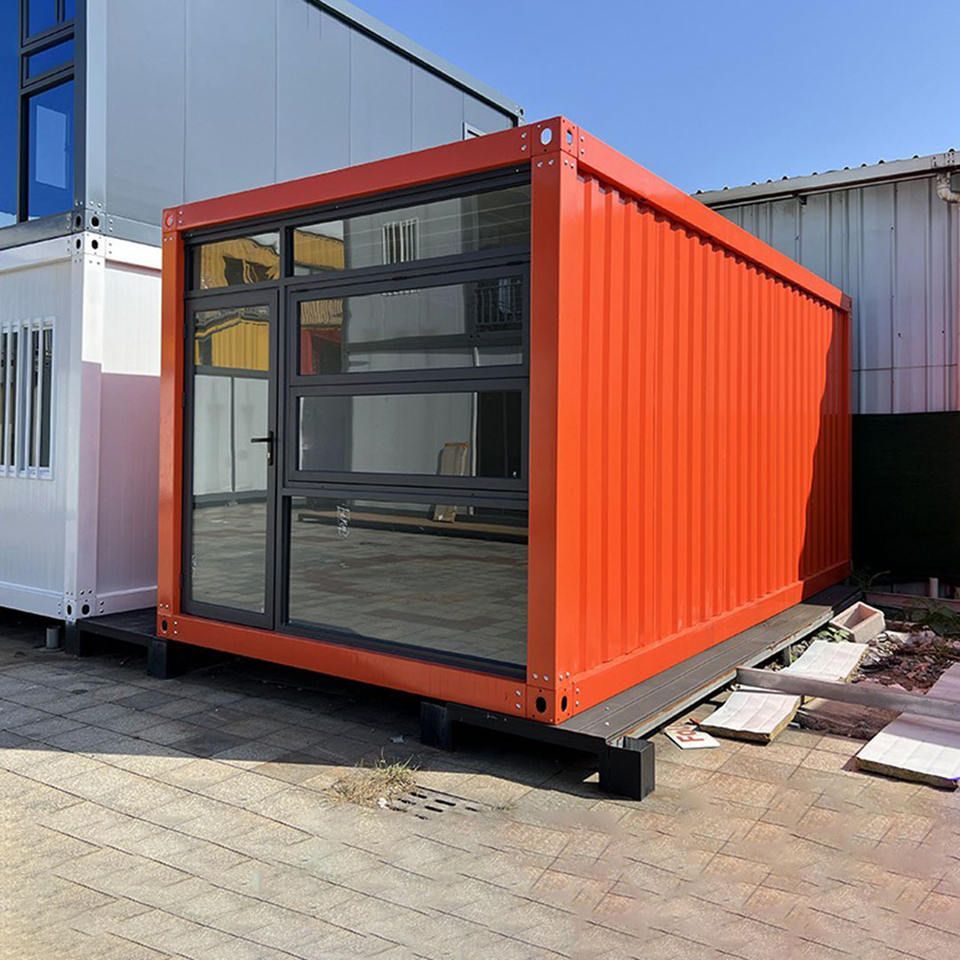
Steel: It is the primary structural support material for container houses, encompassing channel steel, angle steel, and steel plates. These steels possess high strength and corrosion resistance, ensuring the structural safety of the house. For example, the base of a container house is often welded from various types of channel steel, capable of withstanding significant pressure.
Aluminum Alloy: Commonly used for making doors and windows, aluminum alloy offers advantages such as light weight, aesthetic appeal, corrosion resistance, and good thermal insulation and heat preservation properties, enhancing the comfort of the house.
Glass: Primarily used for doors, windows, and observation windows, glass features high transparency, good reflectivity, and corrosion resistance, increasing the natural lighting and view of the house.
Plastic: Such as plastic pipes and plates, plastic is widely used in container houses due to its light weight, ease of processing, and affordability, meeting various housing needs.
Thermal Insulation Materials: Since steel is prone to deformation under extreme temperatures, affecting comfort, thermal insulation materials are required. Common options include polyurethane foam, rock wool, glass wool, and EPS.
Panels: Used for interior walls, ceilings, and exterior wall decoration, common panels include color-coated steel plates, calcium silicate boards, cement fiber boards, and wood. Among them, sandwich panels are commonly used, with variations among manufacturers. Common types are foam boards and rock wool boards. Rock wool boards offer Class A fire resistance, moisture and corrosion resistance, and sound and thermal insulation, but are relatively expensive.
Door and Window Materials: Typically, aluminum alloy bathroom doors, sliding windows, and skylights are used to ensure good ventilation and ease of access. Additionally, depending on the house's purpose and special requirements, other materials such as flooring, ceiling, sound insulation materials, and waterproofing systems may be used for decoration and reinforcement.



