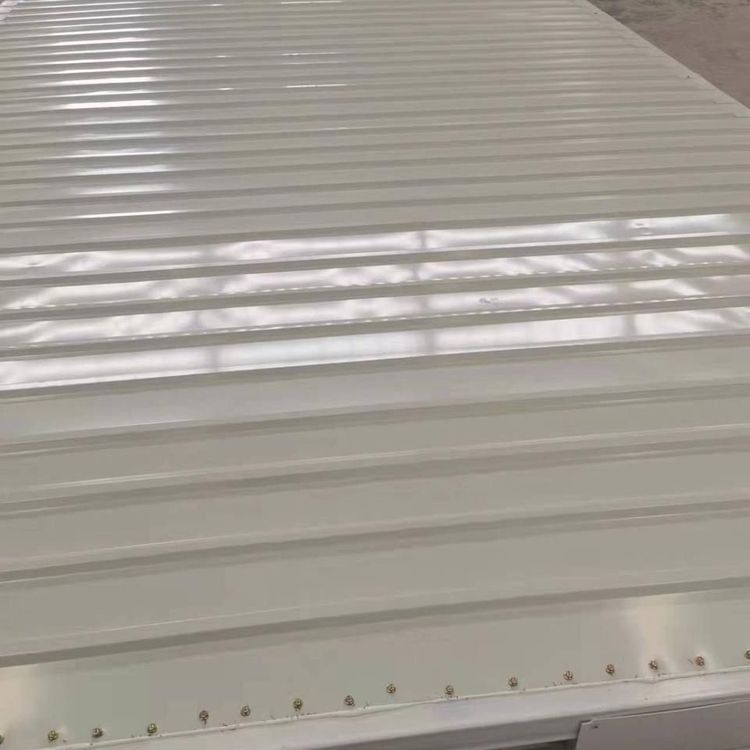
Container House Loading and Unloading
Loading and unloading of container houses require specialized equipment and adherence to standardized procedures, while also meeting safety regulations and technical standards.
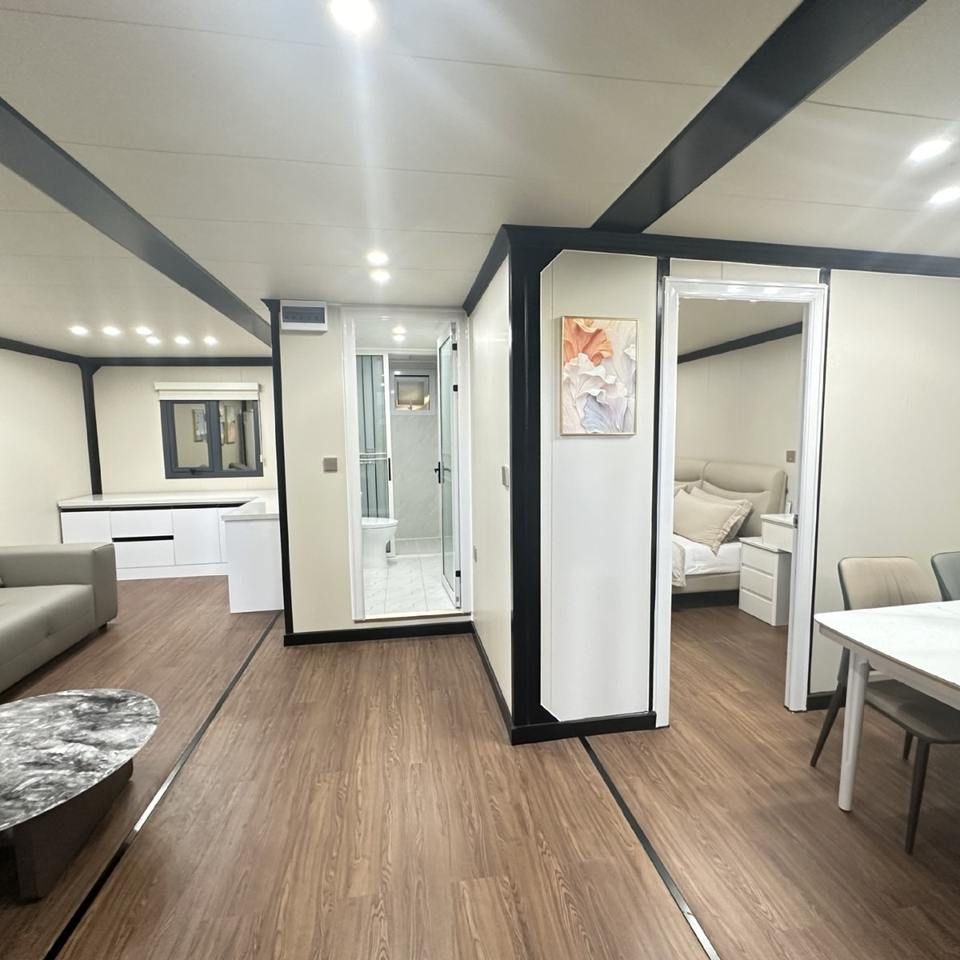
I. Core Equipment for Loading and Unloading
Loading operations primarily rely on rail-mounted/rubber-tired gantry cranes, container forklifts, reach stackers, and straddle carriers. These devices achieve precise operations through hydraulic systems and wireless remote control technology. For example, during loading, the equipment is moved to the four corners of the container, and the height is adjusted to the appropriate position using a hydraulic adjustment system. Special triangular blocks are installed and tightened to form a stable gripping structure, after which the lifting function is activated to complete the loading. During unloading, the robotic arm can move to the target position and selectively grasp goods from the middle or specific locations, enhancing operational flexibility.
II. Standardized Operating Procedures
- Loading Procedures: Equipment alignment must be precise to the four corners of the container, and dedicated electrical cables must be connected to ensure power supply. When adjusting the height with the hydraulic system, it must be level with the cargo platform of the transport vehicle (such as trucks or ships). After installing the triangular blocks, stable gripping structures must be formed using tightening bolts to prevent shifting during transport. Finally, the lifting function is activated using a wireless handheld remote control to complete the securing or separation of the container from the transport vehicle.
- Unloading Procedures: The robotic arm selects gripping points based on the distribution of goods, prioritizing the middle or off-center goods to maintain balance. During unloading, the height of the container must be gradually lowered to avoid sudden drops that could damage equipment or topple goods.
III. Safety Regulations and Technical Standards
Operations must strictly comply with the "Safety Regulations for Container Port Loading and Unloading Operations." Operators must undergo 72 hours of professional training and pass an assessment, with certificates valid for 3 years. In terms of technical standards, the lifting angle must not exceed 12 degrees to prevent container tilting and accidents. During stacking, the "three-alignment" principle (front-back, left-right, and up-down alignment) must be followed to ensure stacking stability. Additionally, when installing container houses, drainage and water supply systems, thermal insulation layers, and lightning protection devices must be planned simultaneously to avoid environmental factors affecting living comfort and safety.
IV. Requirements for Personnel and Equipment Coordination
Operators must be familiar with equipment performance and emergency response procedures, such as immediately stopping operations and activating backup equipment in case of hydraulic system failures, or switching to manual mode when wireless remote control signals are disrupted. Equipment maintenance requires regular checks of hydraulic oil levels, cable insulation, and block wear to ensure operational safety.