Small Living Space in Container Houses
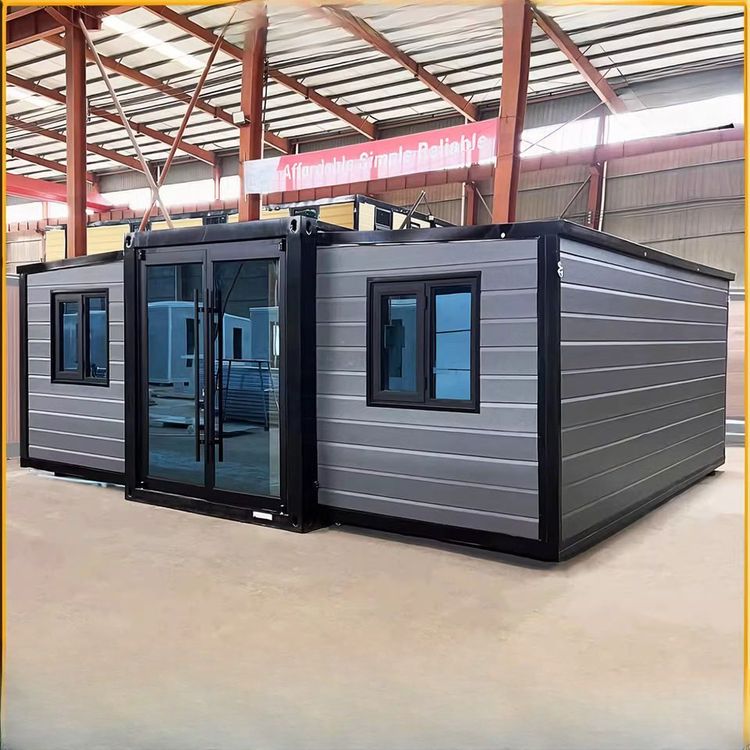
The living space in container houses is relatively small, mainly limited by the original dimensions, internal layout, and functional requirements.

1. Original Dimension Limitations
Container houses are based on standard containers as their structural foundation. Their internal net height is usually between 2.2 - 2.4 meters, and the length and width vary depending on the model (for example, a 20-foot container has an internal length of about 5.9 meters and a width of about 2.35 meters). Taking the container houses used in the Nagoya Asian Games as an example, the single bed in them is 195 centimeters long and only 90 centimeters wide. For athletes taller than 1.9 meters (such as basketball and volleyball players), when lying down, their ankles hang in the air, limiting muscle recovery. The aisle width in double-bed rooms is only enough for one person to pass sideways, and suitcases cannot be fully unfolded, further compressing the activity space.
2. Conflict between Internal Layout and Functional Requirements
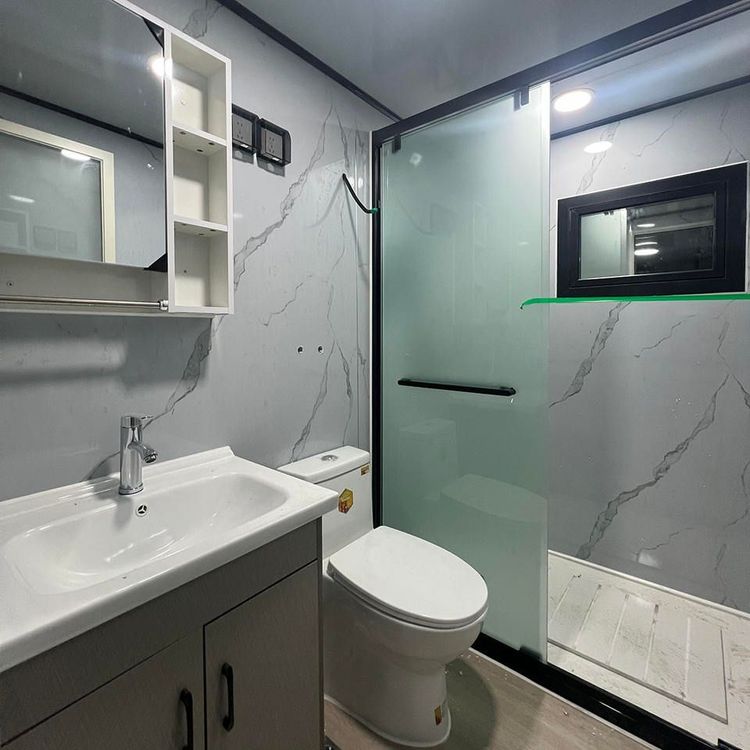
Container houses need to integrate functional areas such as bedrooms, bathrooms, and kitchens within a limited space. For example, although the container houses at the Nagoya Asian Games were designed with two bedrooms and a living room, each household was only equipped with one air conditioner installed in the living room, resulting in poor cooling effects in the bedrooms. The bathroom space was compact, with three people sharing one toilet and shower room, leading to queues for morning洗漱 (washing up), affecting daily routines. In addition, the insufficient ceiling height (2.2 meters) made tall athletes feel压抑 and even unable to stretch their arms upright.
3. Space Occupation by Structure and Materials
The metal wall panels and reinforcement structures of container houses occupy part of the internal space. For example, the container houses at the Nagoya Asian Games used wooden linings, which improved living comfort but further compressed the net height. The use of soundproof materials also reduced the available space, and the actual effect was limited, so athletes still had to wear earplugs to sleep.
4. Temporary and Cost-Oriented Design
The original intention of container houses was to be low-cost, rapidly deployable temporary housing, so space optimization had a low priority. Due to budget overruns (from 85 billion yen to 240 billion yen) at the Nagoya Asian Games, the organizing committee abandoned the construction of a standardized athletes' village and instead adopted a combination of container houses, cruise ships, and scattered hotels, resulting in poor living conditions.