
Container House and Lion Dance
Container houses and lion dance activities are not directly related, but container houses can serve as venues or supporting facilities for lion dance events, while lion dance is a traditional folk activity with profound cultural connotations.
Container House
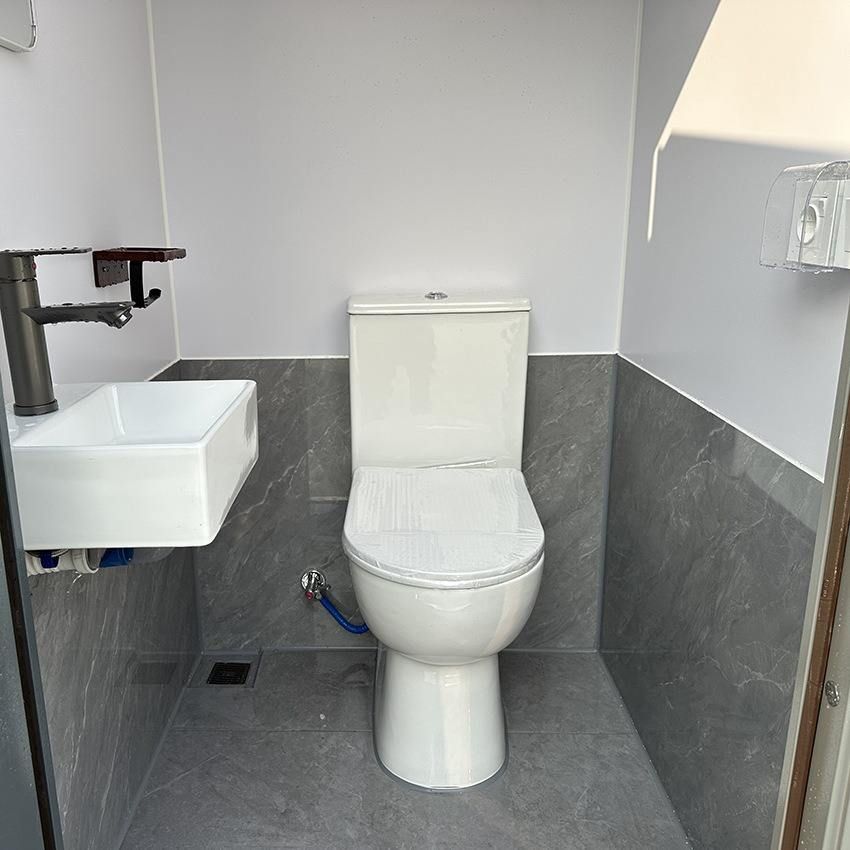
A container house is a temporary or permanent building based on containers as the fundamental modules, which are transformed and designed. It features standardization, modularization, and versatility, enabling large-scale factory production. Container houses can be customized to any size according to customer needs and are widely used in various settings such as temporary housing, mobile homes, and warehouses for construction companies. They can also be exported to different regions and countries. Their advantages lie in their ability to be quickly assembled and disassembled, saving time and costs, while maintaining good structural strength and stability. For example, Shanghai Huiyue Construction Technology Co., Ltd. is dedicated to the research, development, manufacturing, sales, and leasing operations of products such as color-steel sandwich panels, light-steel mobile homes, and container houses.
Lion Dance
The lion dance is a widely popular folk art activity in China, also known as 'lion play' or 'lion lantern.' It evolved from lion plays in the Western Regions during the Han Dynasty and was once one of the 'hundred plays.' Later, it became a regular performance item in the imperial court and evolved into a lion dance with costumed performers by the end of the Han Dynasty. In folk culture, the lion is regarded as a mythical creature that can drive away evil spirits and bring good fortune, so lion dance activities are widely spread. Traditional lion dances have developed into two major schools: the northern and southern styles. The northern lion is shorter and emphasizes agile postures and flexible skills, while the southern lion focuses more on grand scenes. Lion dances are usually performed during festive celebrations such as the Spring Festival and Lantern Festival. With vigorous drumbeats, the lion dancers move with vigor and coordination, igniting the festive atmosphere, showcasing majesty, and driving away evil spirits to welcome good fortune. For example, in Zhongwei, Ningxia, lion and dragon dance performances and competitions are held during the Lantern Festival, with teams delivering splendid performances that win applause from the audience. Professor Xie Zhongyuan from Foshan University mentioned that the lion play gained favor from the Han emperor for its display of majesty and auspiciousness after its introduction.



