
Lightning Protection for Container Houses
Container houses, which are inherently connected to the foundation with steel structures, possess natural lightning protection characteristics. However, to enhance safety, systematic lightning protection measures are still required. The specific measures are as follows:
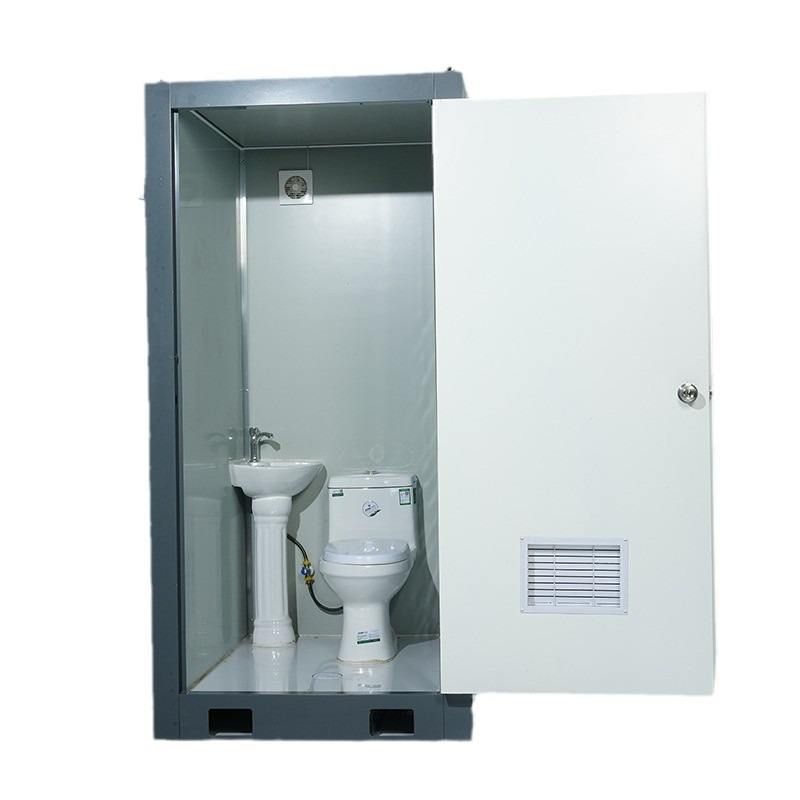
1. Utilizing the Natural Lightning Protection Principle of Steel Structures
The main body of a container house is made of metal. After being fixed to the foundation through welding or bolts, it forms a conductive path similar to a Faraday cage. When lightning strikes the house, the current will be conducted along the steel structure into the ground, preventing the formation of an electric potential difference indoors. Its core advantage lies in the ability to disperse most of the lightning current without the need for additional lightning protection devices. However, it is essential to ensure that there is no rust or looseness at the connections of the steel structure; otherwise, the conductivity efficiency will be affected.
2. Adding Active Lightning Protection Equipment
If the house is located in a lightning-prone area or surrounded by tall buildings, additional lightning rods, lightning strips, or lightning protection nets should be installed:
- Lightning Rods: Installed at the highest point of the roof and connected to the grounding device through down conductors to intercept direct lightning strikes preferentially.
- Lightning Strips/Nets: Laid along the roof edge or parapet to form a closed conductive loop, protecting the roof from side lightning strikes.
- Grounding Devices: Vertical steel angles or pipes are driven into the ground, with a grounding resistance of ≤4Ω to ensure rapid discharge of lightning current.
3. Strengthening Indoor Lightning Protection Measures
- Equipotential Bonding: Connect metal doors and windows, water pipes, electrical appliance casings, etc., to the grounding system to eliminate potential differences.
- Power Lightning Protection: Install surge protectors (SPDs) in the distribution box to prevent lightning waves from entering indoor equipment along the lines.
- Signal Lightning Protection: Install signal lightning arresters on weak current lines such as networks and telephones to avoid damage to electronic equipment from induced lightning.
4. Regular Inspection and Maintenance
- Before the Thunderstorm Season Each Year: Check the rust condition of the lightning protection devices, the grounding resistance value, and the reliability of the connections.
- Every 5 Years: Conduct a comprehensive inspection, including the risk of down conductor breakage and the degree of corrosion of the grounding electrodes.
- After Extreme Weather Events: Focus on inspecting whether the roof lightning strips are deformed and whether the grounding devices are loose.
Case Reference: The residential container houses produced by Anhui Wanzhong Container Co., Ltd. are equipped with lightning protection grounding interfaces upon delivery, allowing users to directly connect to the grounding device and simplifying the implementation process of lightning protection projects.



