
Does Container House Protect Against Lightning?
Container houses generally possess a certain degree of lightning protection capability, but the specific effectiveness is influenced by factors such as materials, structure, installation methods, and maintenance conditions, necessitating scientific measures to ensure safety.
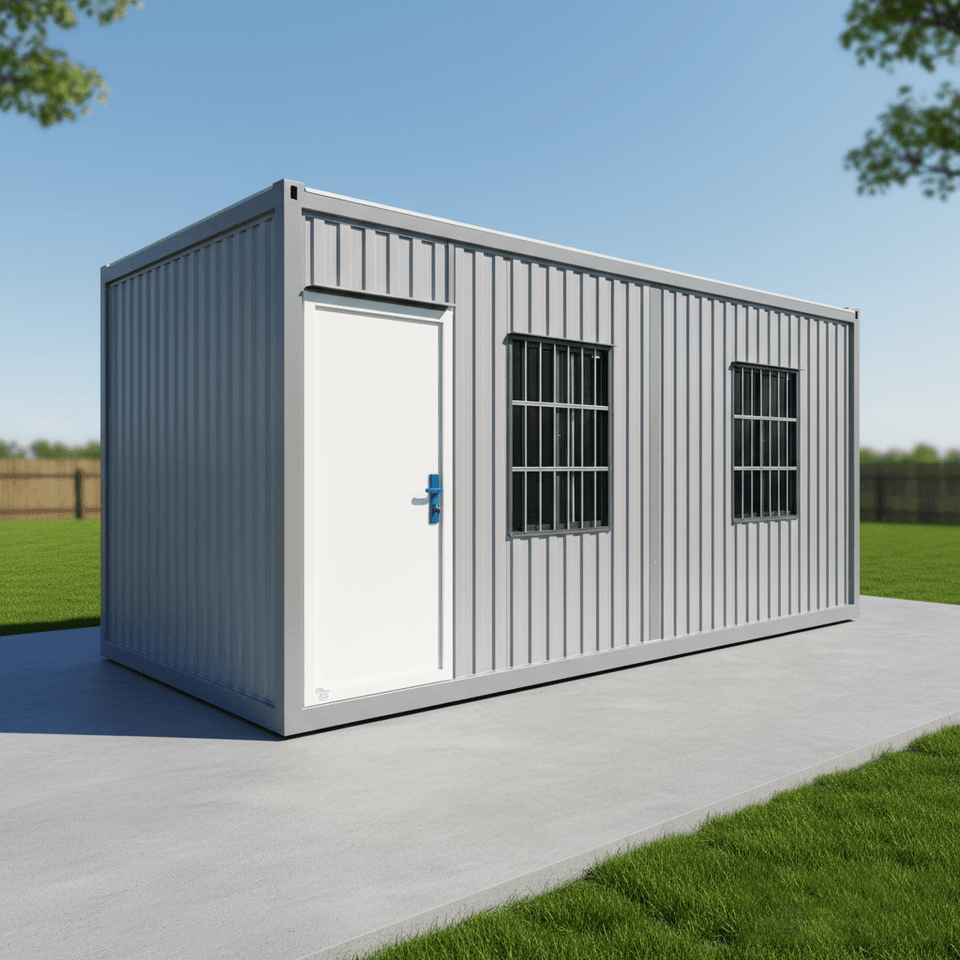
Core Principles of Lightning Protection Capability
The lightning protection performance of container houses primarily relies on the conductive properties of their metal materials. If the grounding system is well-established, the metal container can form a Faraday cage effect, directing lightning current through the container's surface into the ground, thereby protecting internal personnel and equipment from direct lightning strikes. However, if not grounded or if grounding is poor, the strong conductivity of the metal can actually increase the risk of lightning strikes and even trigger secondary disasters.
Key Measures to Enhance Lightning Protection Performance
Material Selection and Structural Design Steel-structured container houses inherently have excellent conductivity and can serve as natural lightning protection devices. However, it is essential to ensure that the container is free from damage or corrosion to prevent degradation of conductive properties.
Improving the Grounding System Grounding is a critical aspect of lightning protection. Specialized grounding devices (such as grounding electrodes and grounding wires) must be installed to ensure that lightning current can be quickly and safely directed into the ground. The grounding resistance should comply with national standards (typically ≤4Ω) and be regularly inspected and maintained.
Internal Insulation and Isolation Adding insulating materials (such as rock wool boards or rubber mats) inside the container can reduce the impact of lightning-induced currents on electronic equipment. Additionally, metal pipes or wiring should not be directly exposed on the container's surface to prevent side-flash lightning intrusion.
Adapting to Installation Environment In areas with high lightning activity, it is advisable to choose container houses with stronger lightning protection capabilities or to install additional lightning rods and roof grounding drainage systems. The lightning rod should be taller than the container's roof and reliably connected to the grounding system to form an active lightning attraction path.
Regular Maintenance and Inspection Regularly inspect the condition of grounding devices, insulating materials, and lightning protection facilities, promptly repairing corroded, loose, or damaged components. It is recommended to install partial discharge detection devices to monitor the impact of lightning activity on the container in real-time.
Supplementary Recommendations
When purchasing a container house, clarify lightning protection requirements and prioritize products that have passed lightning protection certification (such as GB 50057 "Design Code for Protection of Structures against Lightning"). For container houses already in use, commission a professional agency to evaluate their lightning protection performance and optimize protective measures based on the results. Through scientific design and standardized maintenance, the lightning protection safety of container houses can be effectively ensured.



