Container House Lifting Head
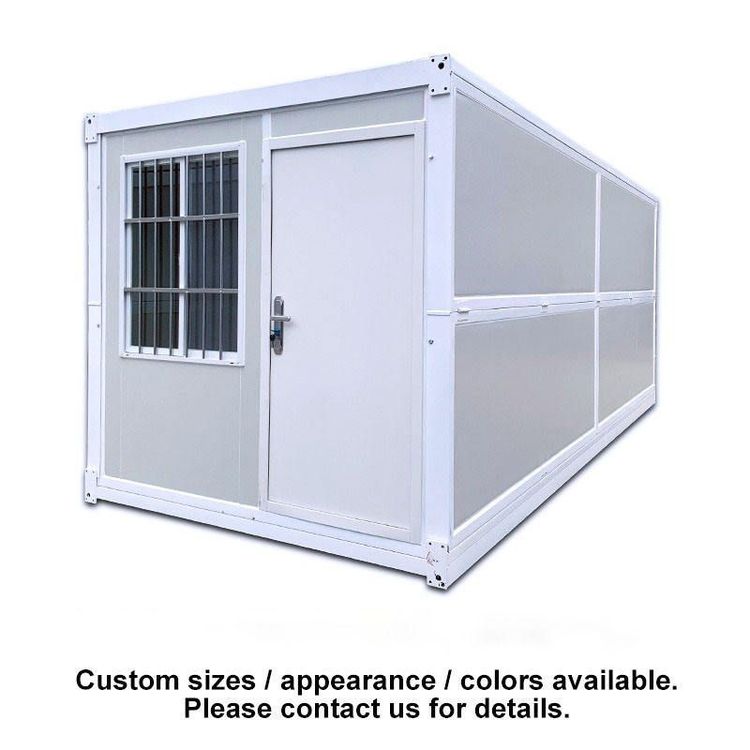
The container house lifting head is a key hardware component used for lifting, connecting, and securing container houses. It is typically installed at the corners of the container body and connected to the frame via bolts or welding, providing a load-bearing point for lifting operations and enhancing structural stability.
Core Functions of the Lifting Head
The primary role of the container house lifting head is to provide a standardized connection interface for lifting equipment (such as steel cables and hooks), ensuring uniform force distribution during lifting and preventing deformation or detachment of the container body. Its design must meet requirements for high strength and corrosion resistance to adapt to frequent lifting, movement, or long-term exposure to outdoor environments. For example, in scenarios such as temporary construction site housing and commercial pop-up shops, the lifting head must withstand dynamic loads during lifting while ensuring a stable connection between the container body and transportation vehicles or foundation structures.
Materials and Processes of the Lifting Head
Lifting heads are typically manufactured from high-strength steel (such as Q235 or Q345) and undergo hot-dip galvanizing to enhance corrosion resistance and extend service life. Some high-end products use cast steel or alloy steel to further improve load-bearing capacity. For instance, the packing-box lifting heads produced by Botou Shunheng Metal Products Co., Ltd. ensure dimensional accuracy through precision casting processes while optimizing the structure to distribute lifting stress and reduce the risk of local damage.
Types and Application Scenarios of the Lifting Head
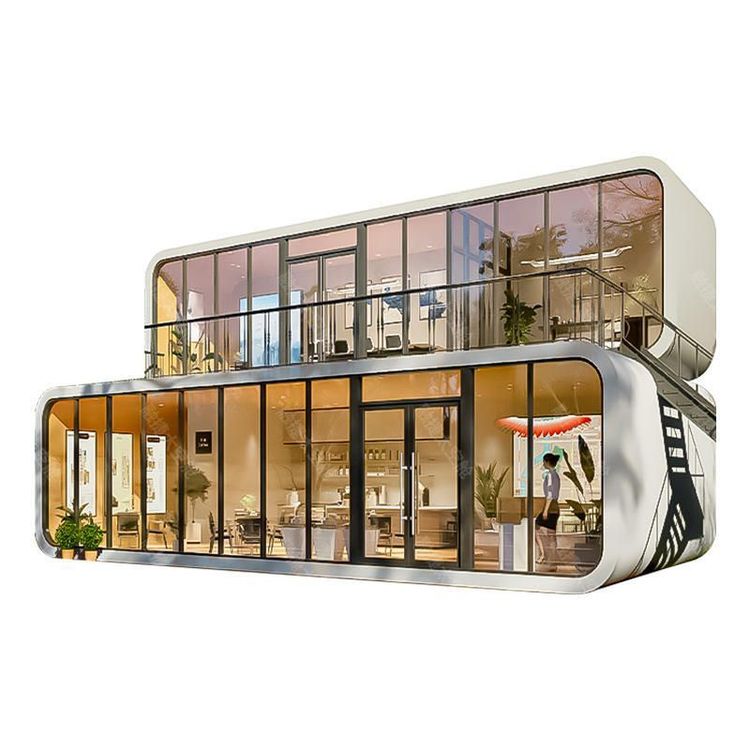
The design of lifting heads varies according to the structural type of the container house (such as welded integral containers and bolt-connected modular containers). For welded containers, the lifting head is typically integrated with the frame, while for modular containers, the lifting head is connected to corner fittings via bolts for easy disassembly and reassembly. For example, in engineering camp scenarios, the packing boxes produced by Suzhou Zhongnan Steel Structure Co., Ltd. feature pre-installed lifting heads, enabling immediate use upon on-site lifting and significantly shortening installation time. In commercial pop-up shop scenarios, the lifting heads of quick-assembly containers must support modular assembly to meet the need for flexible space adjustments.
Precautions for Purchase and Installation
When purchasing lifting heads, it is essential to verify material certificates, load-bearing capacity test reports, and corrosion treatment processes to ensure compliance with industry standards (such as wind resistance rating ≥ Grade 10 and earthquake resistance rating ≥ Grade 7). During installation, use specialized tools to tighten bolts and prevent loosening. Before lifting, inspect the connection between the lifting head and the container body to ensure no cracks or deformation are present. For example, the installation guide for Yiqi residential container houses explicitly requires the use of steel cables with sufficient load-bearing capacity during lifting and ensures that all lifting points are subjected to synchronous force to prevent container body distortion.