
Container House Leisure Area
The container house leisure area is a practical and aesthetically pleasing recreational space centered around container modules, achieved through structural modifications and functional designs. It is widely used in cultural tourism, commercial, construction site, and other scenarios. The following is an analysis from the aspects of design features, application scenarios, advantages, and precautions:
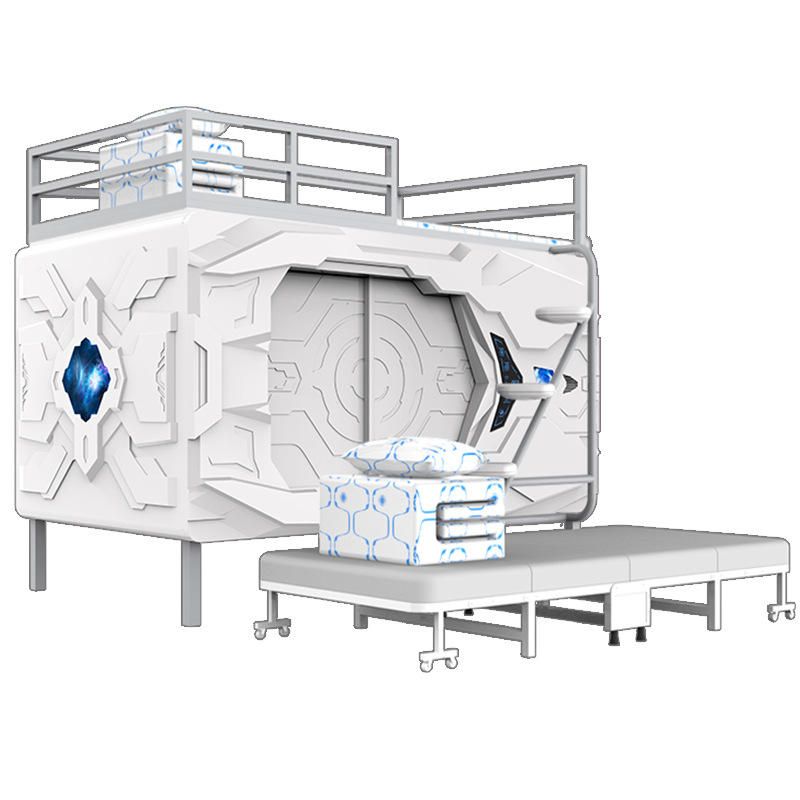
I. Design Features
The design of container house leisure areas is based on modularity. Standard containers (such as 20-foot or 40-foot units) are transformed into open or semi-open spaces through cutting, welding, and splicing. Common designs include:
- Structural Modifications: Adding windows, doors, floor-to-ceiling windows, or skylights to enhance transparency; installing patios, stairs, or corridors to expand functional areas; creating a sense of hierarchy through stacking and offset splicing. For example, in cultural tourism homestays, containers are often transformed into leisure units with outdoor courtyards, paired with green plants and lighting designs to create a comfortable atmosphere.
- Functional Integration: Internally, furniture such as sofas, tables, chairs, and bars can be configured, combined with air conditioning and fresh air systems to ensure comfort. Externally, sunshades, canopies, or projection equipment can be added to adapt to usage needs under different weather conditions.
- Appearance Customization: The industrial appearance of containers can be altered through the application of anti-corrosion paint, wood grain transfer printing, or the installation of decorative panels, enabling them to blend into natural or urban environments. For example, container cafes in scenic areas often adopt light-colored coatings and large areas of glass to enhance visual appeal.
II. Application Scenarios
- Cultural Tourism Projects: As homestays, camping bases, or reception centers, container leisure areas have become popular photo spots due to their low cost and rapid construction advantages. For example, a scenic area has created a picturesque leisure street by splicing multiple containers, housing cafes, bookstores, and handicraft shops to attract tourists.
- Commercial Spaces: Night market stalls, scenic area sales kiosks, or pop-up stores often choose container modifications for their flexibility and mobility, supporting short-term commercial activities while enhancing brand recognition through personalized designs.
- Construction Site Support: On construction sites, container leisure areas can serve as temporary conference rooms, tea rooms, or employee rest areas, equipped with sofas, water dispensers, and charging facilities to improve workers' working conditions.
- Emergency Scenarios: After earthquakes, floods, and other disasters, containers can be quickly transformed into leisure areas in temporary shelters, providing psychological comfort and social spaces.
III. Advantages and Precautions
- Advantages:
- Environmental Friendliness: Steel can be recycled, and the disassembly and assembly loss rate is less than 5%, aligning with green building trends.
- Economy: Compared to traditional buildings, container leisure areas have lower construction costs and can be reused, offering significant long-term cost advantages.
- Flexibility: Modular design supports rapid addition or reduction of functional areas to adapt to different scenario needs.
- Precautions:
- Structural Safety: It is necessary to verify wind and earthquake resistance ratings (e.g., Suzhou Zhongnan packing boxes can withstand wind speeds of up to 12 and earthquakes of magnitude 8). Avoid using unqualified products.
- Thermal Insulation: Metal container walls easily conduct heat, so it is necessary to adopt broken-bridge lining structures or fill with polyurethane foam to reduce heat exchange efficiency.
- Compliance: It is necessary to comply with local building codes. For example, the Asian Olympic Council only requires that athletes' accommodations be "safe, hygienic, and meet basic rest needs," but commercial uses may require additional approvals.
IV. Case References
- Baotou Camp Container House Company: By adding C-shaped steel purlins and anti-corrosion coatings, the company ensures that stacked containers remain stable up to three layers, suitable for windy and sandy environments in northwest China.
- Dongguan Qihang Integrated Housing: The company offers a 7-day replacement guarantee and 48-hour delivery service, supporting customized designs to meet rapid delivery demands.
- Nagoya Asian Games Container Dormitories: Although they sparked controversy due to limited space, their design, which included air conditioning, refrigerators, and barrier-free ramps, provided basic comfort references for temporary accommodations.
Through modular design and functional integration, container house leisure areas have achieved a transformation from industrial carriers to living spaces. Their environmental friendliness, economy, and flexibility make them ideal choices for multiple scenarios.



