
Container House Land Quota
Container houses generally do not occupy land quotas, but this is subject to specific conditions and local policies. The following analysis covers definitions, conditions for occupying land quotas, conditions for not occupying land quotas, and the impact of local policies:
1. Definition and Nature of Container Houses
Container houses are movable metal structures, not traditional fixed buildings. Their design and construction are flexible, typically used for cargo storage, transportation, or temporary living scenarios (such as emergency disaster relief, construction site dormitories, tourist attractions, etc.). Since they do not damage the soil's plow layer and do not involve traditional infrastructure construction (such as hardening the ground or building permanent foundations), their nature is closer to that of a 'container' or 'temporary warehouse' rather than a permanent house.
2. Conditions for Occupying Land Quotas
If the placement of a container house substantially changes the nature of the land, it may occupy a land quota. For example:
- Hardening the ground or building permanent foundations: If the ground is concreted or fixed foundations are installed, it will be considered a change in land use, thereby occupying a land quota.
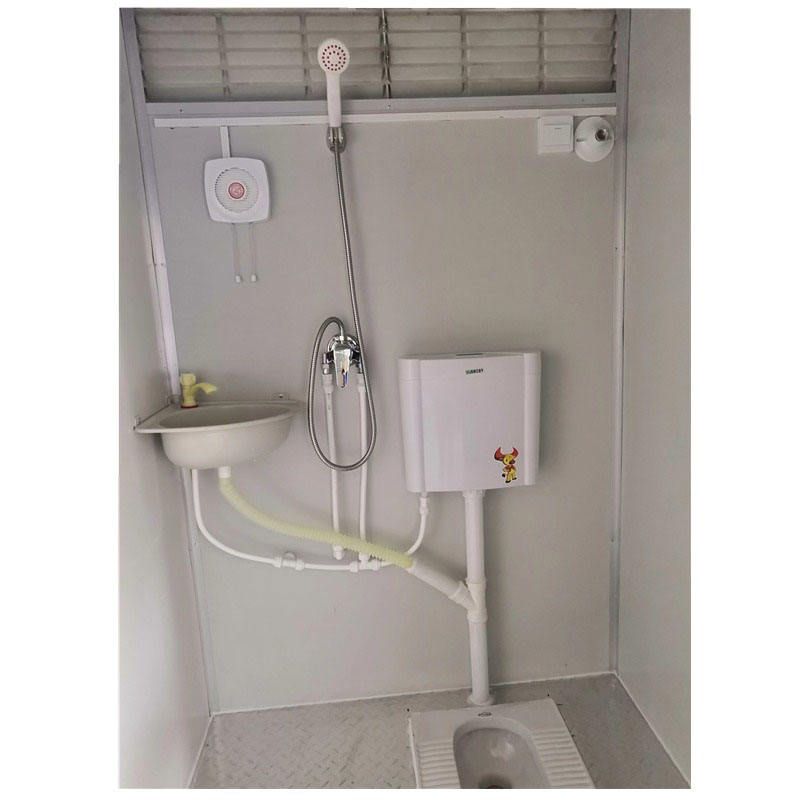
- Connecting to water and electricity or long-term residence/operation: If the container house is internally connected to water and electricity facilities or used for long-term residence or commercial operations, it may be considered a 'substantial change in land use', thus occupying a land quota.
3. Conditions for Not Occupying Land Quotas
Under the following circumstances, container houses generally do not occupy land quotas:
- Temporary storage of agricultural supplies and tools: If placed in farmland or orchards, solely as watchhouses and without damaging the plow layer.
- No traditional infrastructure construction: The ground is not hardened, and no permanent foundations are built, maintaining the land's recoverability.
- No connection to water and electricity or change in use: There is no internal connection to water and electricity, and it is not used for residence or operation.
4. Impact of Local Policies
Whether a land quota is occupied ultimately depends on local policies. Some regions regard container houses as temporary structures, requiring no building permits, allowing free erection and dismantling; however, other regions may classify them as illegal structures or unauthorized constructions. Therefore, before placement, it is necessary to consult local relevant departments to clarify the usage period and purpose and follow the procedures for handling formalities.



