
Back to blog
Article
Container House Keel Frame
Admin September 15, 2026
The keel frame of container houses mostly adopts a full-steel structure or a high-strength steel frame, featuring high wind and earthquake resistance, strong structural stability, and modular disassembly design. Here is a detailed introduction to the keel frame of container houses:
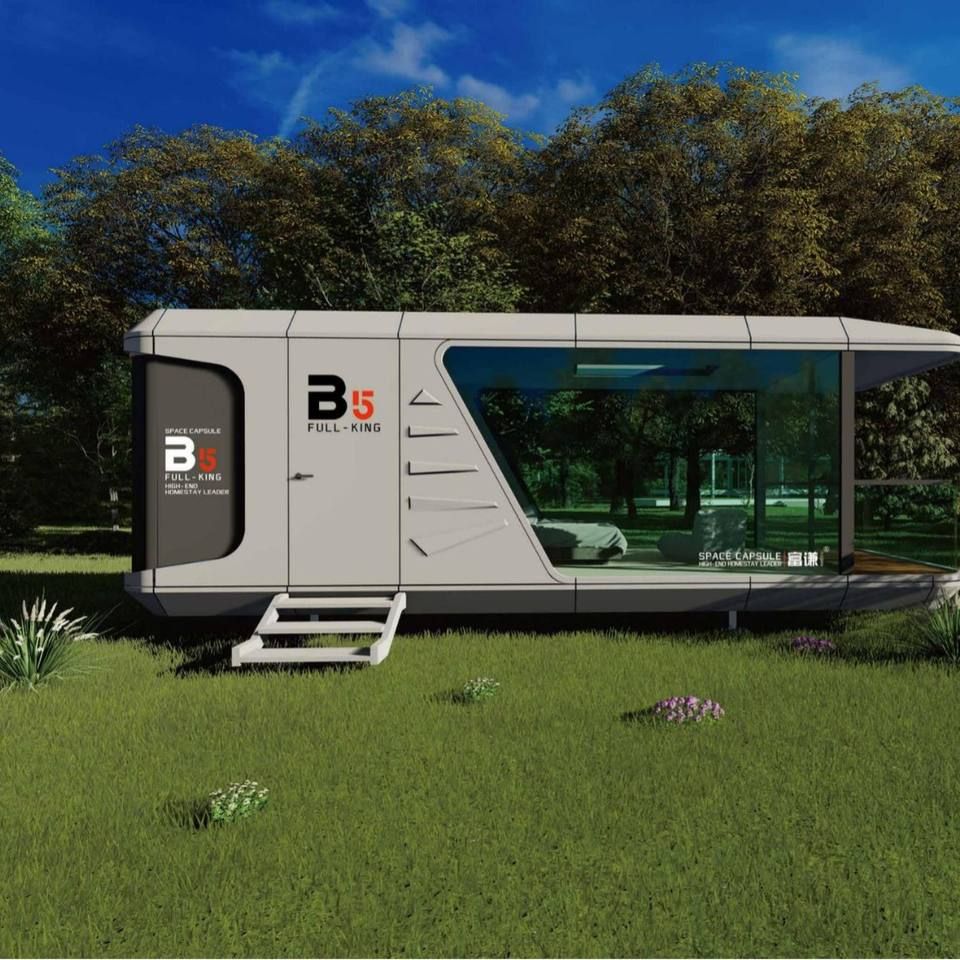
Materials and Structure:
- Full-steel Structure Frame: For example, the packing boxes and quick-assembly boxes from Suzhou Zhongnan Steel Structure Co., Ltd. use a full-steel structure frame, which has high strength and durability and can withstand extreme weather conditions, such as typhoons of magnitude 12 and earthquakes of magnitude 8.
- High-strength Steel: Other brands, such as CIMC Modular Building Investment Co., Ltd. and Yashi Integrated Housing Co., Ltd., also use high-strength steel to make frames, ensuring structural stability.
Wind and Earthquake Resistance Performance:
- Wind Resistance Rating: The wind resistance ratings of container houses from mainstream brands are generally high. For example, products from Suzhou Zhongnan can reach magnitude 12, the standard models from CIMC are magnitude 10, and the economic models from Yashi are magnitude 9.
- Earthquake Resistance Rating: The earthquake resistance ratings also meet the requirements of building earthquake resistance design codes. For example, products from Suzhou Zhongnan have an earthquake resistance rating of magnitude 8, and the standard models from CIMC are magnitude 7.
Structural Stability and Deformation Rate:
- Frame Deformation Rate: The frame deformation rates of container houses from legitimate brands are far lower than the industry's qualified threshold. For example, the frame deformation rate of the packing boxes from Suzhou Zhongnan is only 0.18%, and that of the standard container houses from CIMC is 0.27%.
- Long-term Stability: The full-steel structure frame and high-quality welding process ensure the structural stability of container houses during long-term use, reducing maintenance costs.
Modularity and Flexibility:
- Modular Design: Quick-assembly container houses adopt a modular disassembly design. A single module can be assembled on-site in just a few hours and can be flexibly spliced and adjusted according to actual needs to change the spatial layout.
- Space Utilization: They have high internal space utilization and support on-demand splicing and combination, easily expanding into double-occupancy dormitories, small offices, or meeting spaces.



