Container House is a Type of Movable House
Container houses indeed belong to a type of movable house. Here is a detailed introduction to container houses:

Definition and Basic Structure
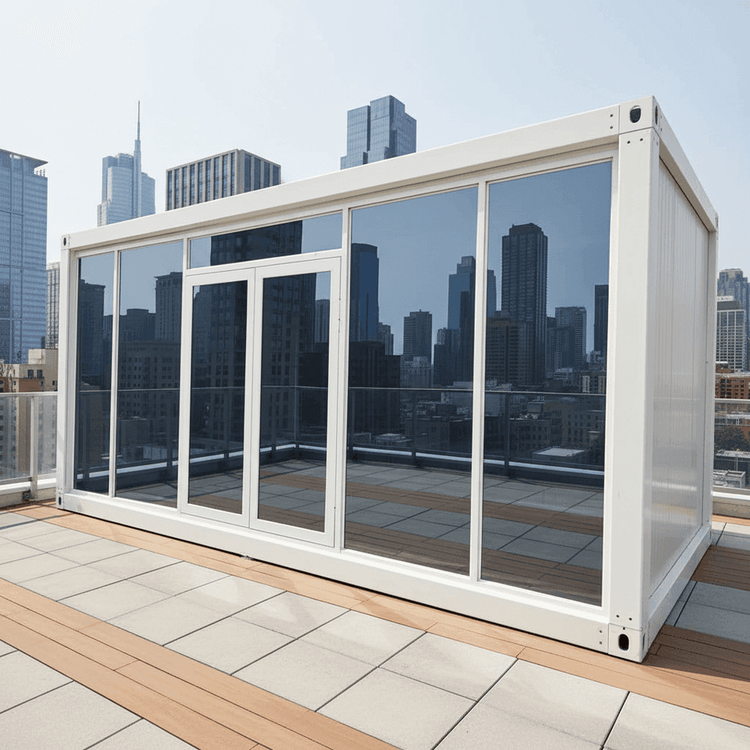
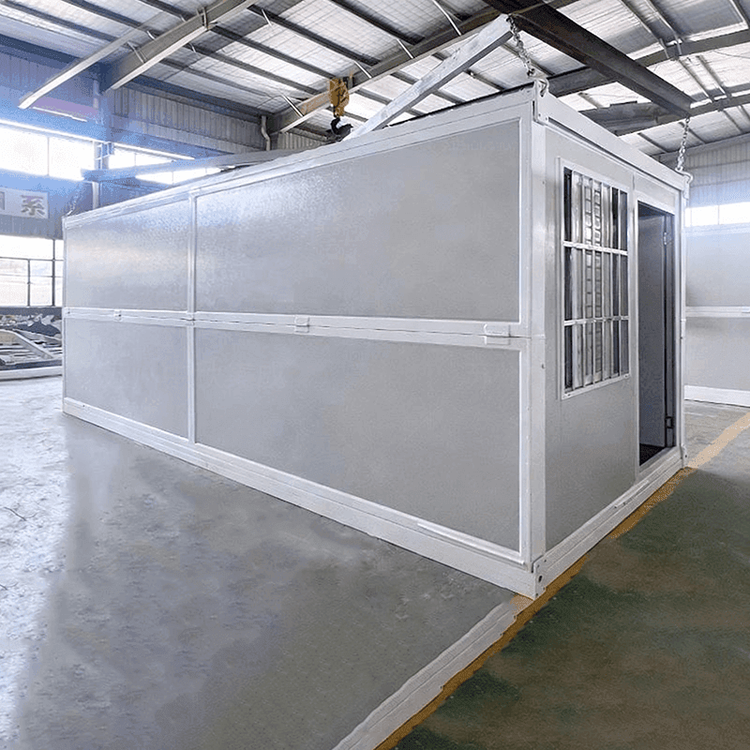
A container house is a building form that uses standard containers as its basic structural modules. By transforming the internal space (such as installing doors and windows, laying floors, adding insulation layers, etc.), it is equipped with residential or office functions. Its core structure retains the frame characteristics of containers, including high-strength steel frames and corrugated steel walls, ensuring the stability of the overall structure.
Main Characteristics
- Movability: Container houses inherit the transportation advantages of containers. They can be transported as a whole using cranes, trucks, and other equipment without the need for dismantling and rebuilding, making them suitable for scenarios that require frequent relocation (such as temporary office areas on construction sites and housing for post-disaster reconstruction).
- Rapid Assembly: The modular design allows for 'building block'-style assembly. Multiple containers can be spliced horizontally or vertically to form larger spaces, with construction periods typically only 1/3 to 1/5 of those of traditional buildings.
- Safety and Durability: The steel structure can withstand wind speeds of up to 12 levels and has better earthquake resistance than brick-concrete structures. The outer steel plates are corrosion-resistant, and the interior uses fireproof and heat-insulating materials, with a service life of over 20 years.
- Environmental Protection and Economy: Approximately 80% of the materials can be recycled, reducing construction waste. The cost per unit area is 30%-50% lower than that of traditional concrete buildings, and no foundation treatment is required, further reducing costs.
Application Scenarios
- Temporary Uses: Dormitories on construction sites, wild research stations, military camps, and other scenarios that require rapid deployment.
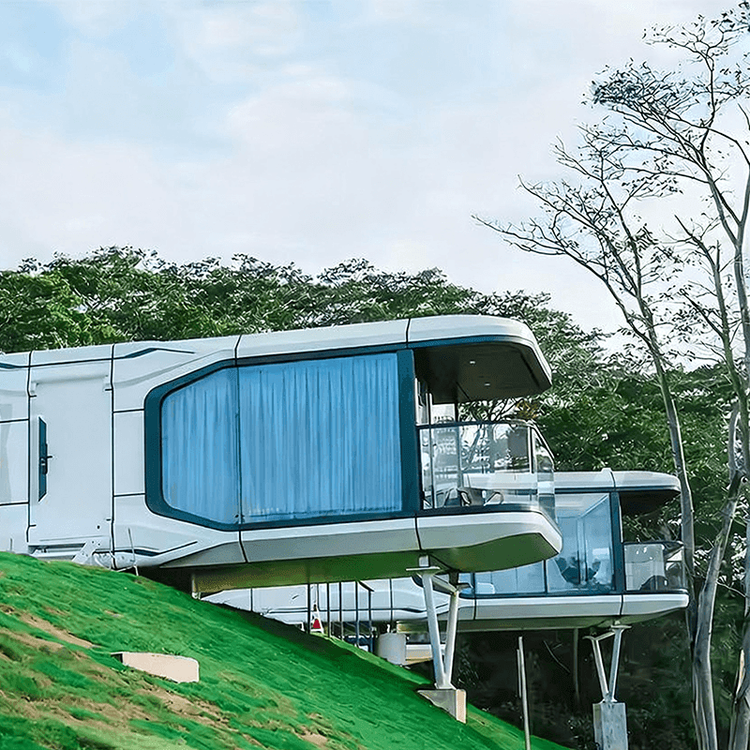
- Permanent Uses: Vacation villas, creative office spaces, community libraries, etc., which can blend into the surrounding environment through exterior decoration.
- Emergency Uses: Temporary shelters after earthquakes, floods, and other disasters. International humanitarian organizations often adopt such solutions.
Differences from Other Movable Houses
Compared to traditional movable houses such as color-steel plate houses, container houses have higher structural strength and airtightness, enabling them to withstand more severe weather conditions. At the same time, their modular characteristics support personalized customization and higher space utilization.