Container House Introduction Copy
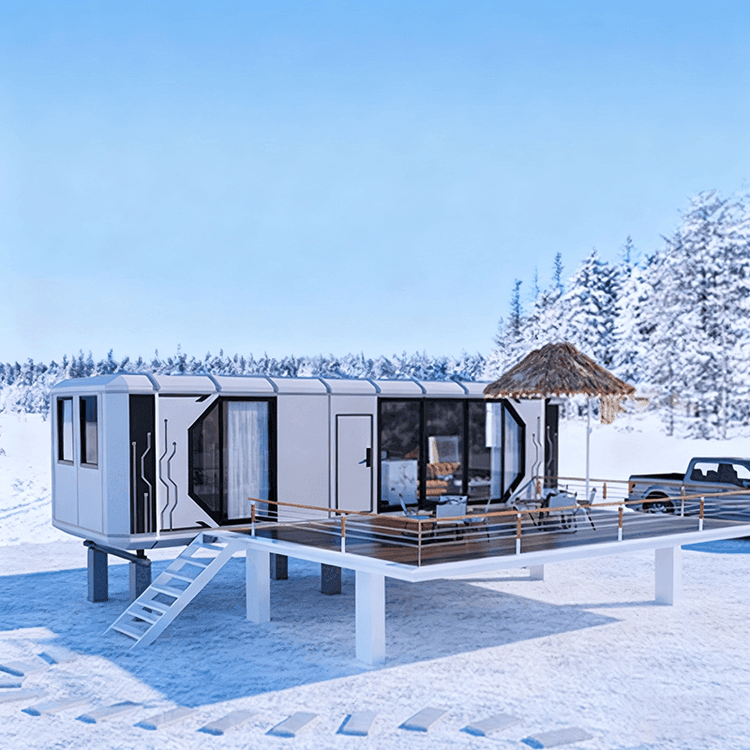
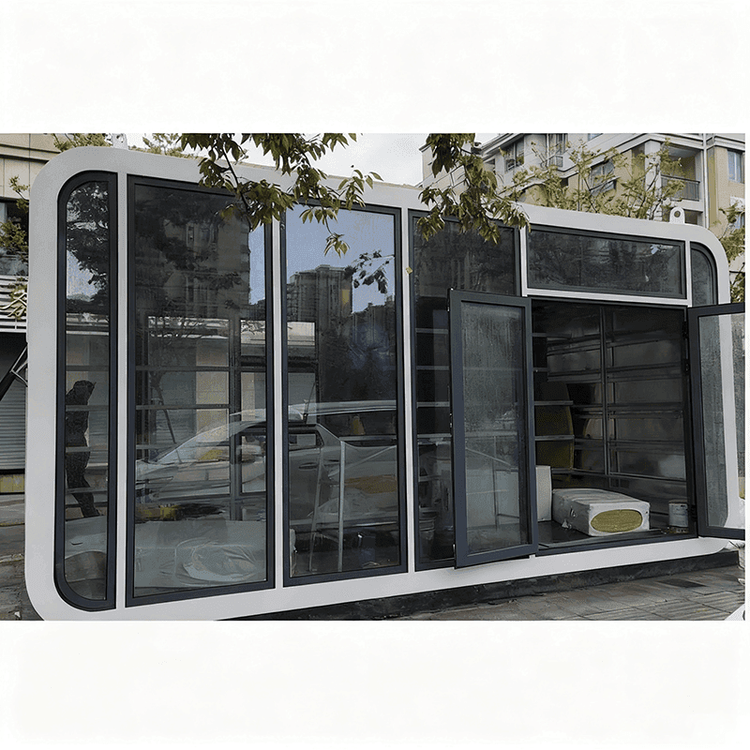
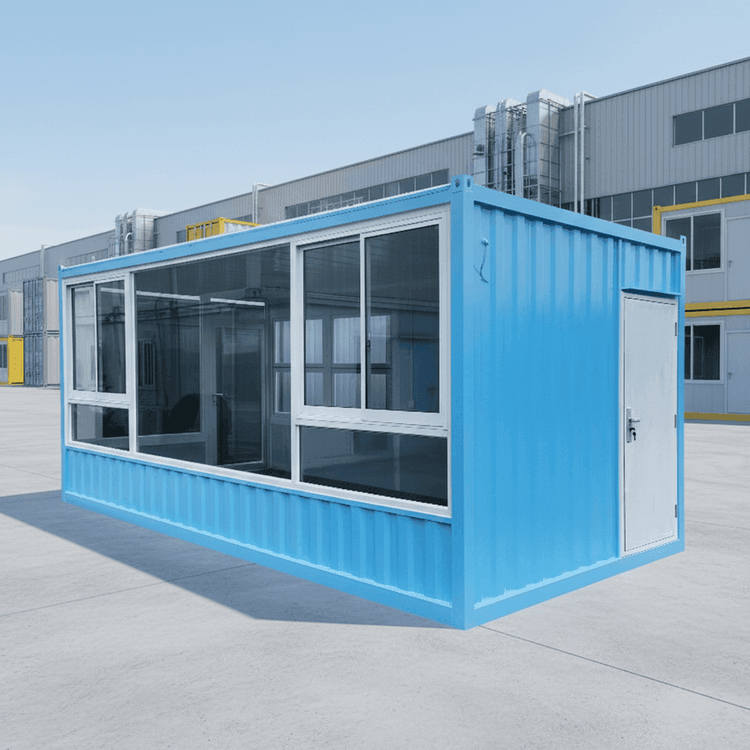
Container houses are modular buildings transformed from shipping containers, featuring rapid construction, flexible combination, environmental protection, and cost-effectiveness. They are suitable for a variety of scenarios, including residential, commercial, office, and temporary facilities.

I. Core Advantages
Rapid Construction and Low Cost
Container houses are manufactured using factory-prefabricated modular production. The main structure, interior and exterior wall decorations, and pipeline embeddings are all completed in the factory, with only lifting and joint treatment required on-site, shortening the construction period to just a few days. Compared to traditional brick-and-mortar houses, costs can be reduced by over 50%, and there is no need for complex civil engineering, reducing construction waste generation.Flexibility and Portability
Container houses can be easily combined, disassembled, and transported using standard connectors, adapting to different scenario requirements. For example, a fixed 3m x 6m container can achieve functional zoning through stacked design, with the kitchen and bathroom concentrated at one end, and the living and sleeping areas featuring adaptable furniture (such as folding tables and drop-down beds) for day-night functional switching. Additionally, the single lifting and transportation cost is approximately 15-25 yuan per kilometer, with low relocation and resettlement costs, giving rise to the 'portable living' model.Structural Strength and Durability
The main structure adopts a steel frame (such as C-shaped steel and H-shaped steel), with seismic performance reaching magnitude 8, capable of withstanding harsh weather and natural disasters. The walls use color-steel composite panels filled with fire-resistant rock wool, providing insulation, soundproofing, and fire prevention functions. For example, a three-layer structural design (outer galvanized sheet, middle rock wool layer, inner PVC-coated steel sheet) can reduce indoor temperature fluctuations by 40% compared to traditional color-steel panel houses.
II. Application Scenarios
Residential Field
Including temporary housing, container homes, vacation villas, etc. For example, a company in Hohhot, Inner Mongolia, redefines urban living experiences through thermal performance compensation mechanisms and spatial functional zoning logic; a lakeside double-story container vacation villa has become a new favorite in tourism with its fresh appearance and modern layout.Commercial and Office
Can be transformed into container shops, cafes, mobile offices, etc. For example, a container-themed restaurant in Weifang City has an average daily customer flow of 150 people; Shandong Jinda Green Building's packing-box houses are used as project department offices in engineering projects, with on-site construction completed within three days.Public Services and Emergency Facilities
Used for emergency shelters, mobile police stations, healthcare clinics, etc. For example, the Changle County Flood Control Headquarters purchased 50 sets of movable panel houses, capable of establishing temporary settlement points within 12 hours after a disaster, with each unit accommodating 6-8 people.
III. Limitations
Thermal Insulation and Soundproofing Issues
Low-end products have insufficient thermal insulation performance, requiring the selection of quality-assured manufacturer products (prices are usually about twice those of low-end products). Metal materials have strong sound transmission effects, requiring additional soundproofing treatment.Spatial Limitations
Standard containers have low indoor height and narrow horizontal space, requiring container combination to expand space. Multiple disassemblies and assemblies may lead to fatigue damage to connecting bolts, with the risk of structural deformation increasing by about 15% after more than five disassemblies and assemblies.