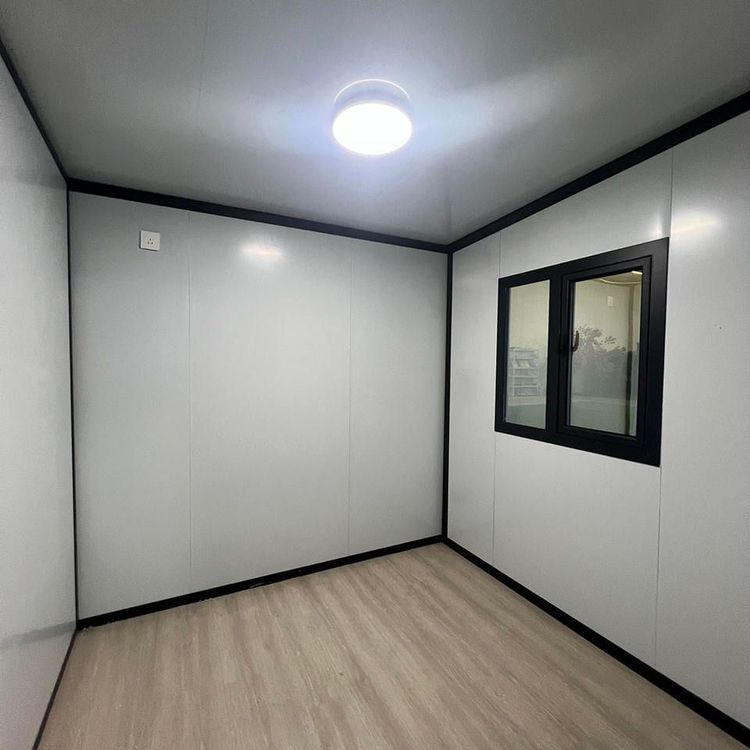
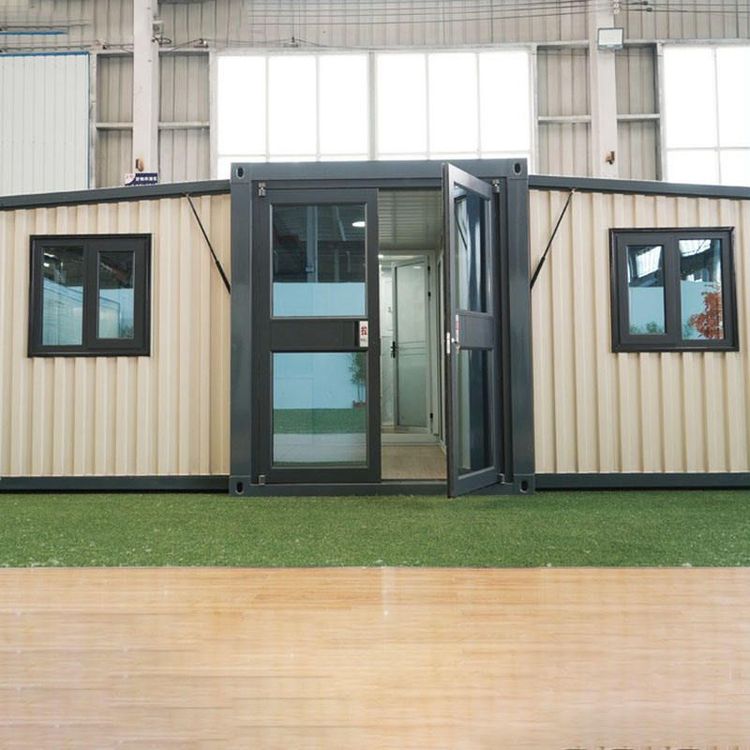
Internal Frame of Container House
The internal frame of a container house typically adopts a steel frame structure, characterized by high strength, stability against wind, rust resistance, and corrosion resistance, as well as flexible design for easy assembly.

Material Selection:
The internal frame of a container house primarily uses a steel frame structure, with common materials including galvanized steel frames and 2.5mm steel plates. The galvanized steel frame is treated with a hot-dip galvanizing process, forming a dense zinc layer on the surface that effectively isolates air and moisture, significantly enhancing rust and corrosion resistance and extending the frame's service life. The 2.5mm steel plate, with its thickness advantage, provides higher strength and is suitable for scenarios with high load-bearing requirements, such as multi-story container houses or structures that need to support heavy equipment.
Structural Characteristics:
The frame design emphasizes high-strength load-bearing and stability, with some structures capable of withstanding magnitude-8 earthquakes, ensuring safety in extreme environments. Its wind resistance is achieved by optimizing frame node connections and overall stiffness, enabling it to withstand strong wind impacts. In addition to the inherent advantages of the materials, the rust and corrosion resistance characteristics also rely on surface treatment processes, such as galvanizing and painting, to further enhance environmental adaptability.
Frame Forms:
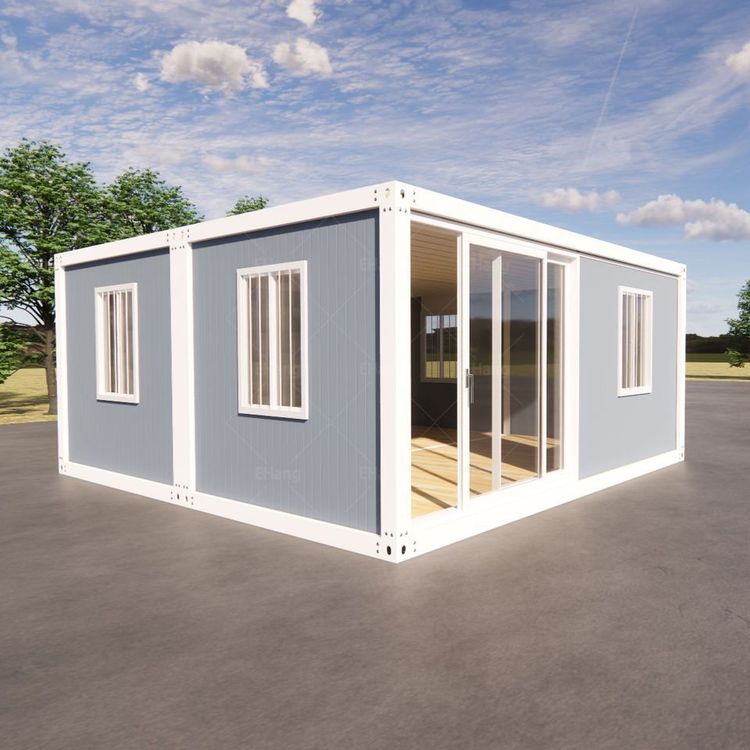
The assembled structure is one of the mainstream designs, enabling rapid disassembly and assembly through standardized components. The frame is divided into multiple modules, which are compactly stacked during transportation and quickly assembled on-site using bolts or welding, significantly shortening the construction period. The modular frame further standardizes the dimensions of beams, columns, and other components, supporting flexible floor plan layouts that can be adjusted according to needs in terms of room quantity, layout, or functional zoning, adapting to diverse scenarios such as residential, office, and commercial uses.
Application Advantages:
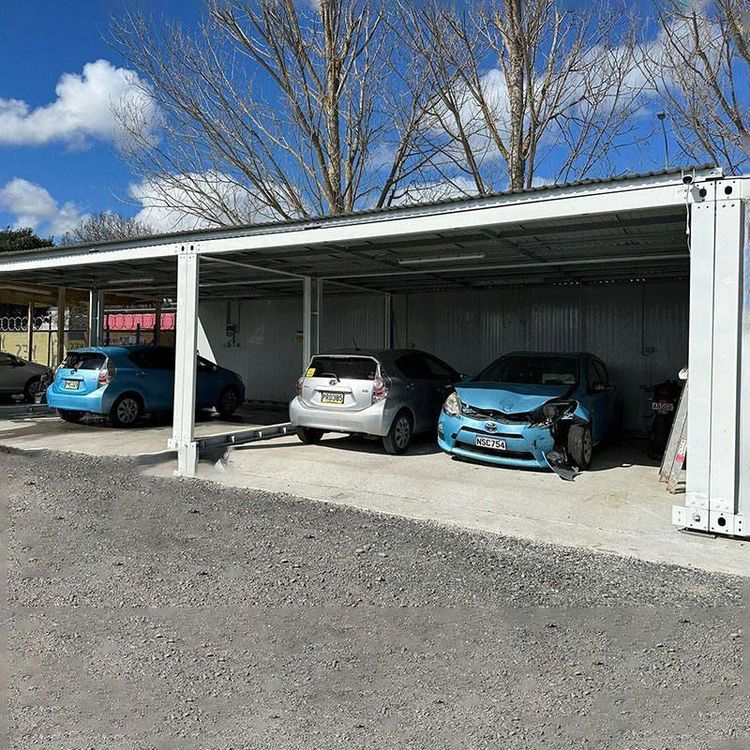
The high strength and lightweight characteristics of the steel frame structure enable container houses to maintain structural stability while reducing material usage and transportation costs. The assembled and modular designs address issues such as long construction periods and site limitations associated with traditional construction methods, making them particularly suitable for temporary buildings, emergency shelters, or rapidly expanding commercial projects. Additionally, the standardized production of frames facilitates quality control, ensuring compatibility between components from different batches and providing a foundation for large-scale applications.