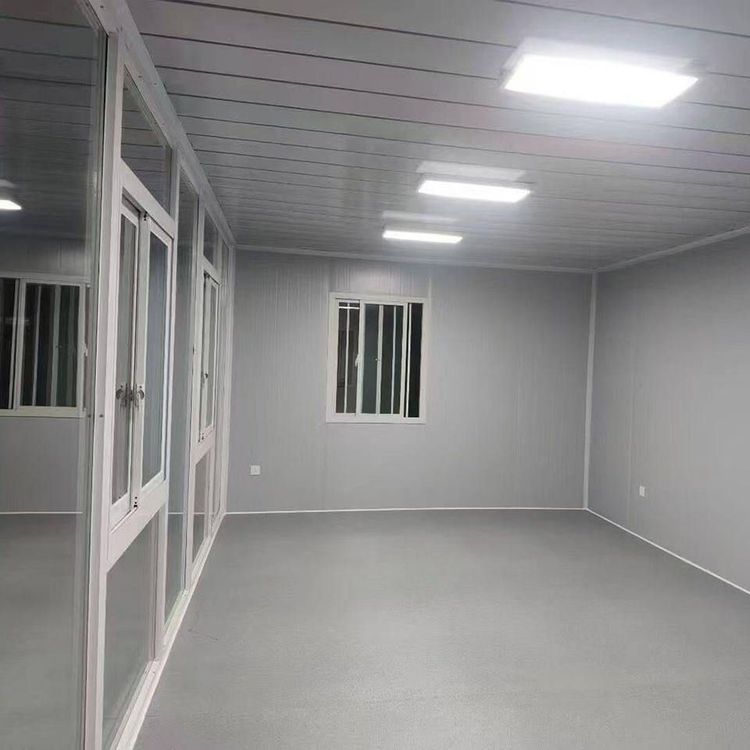
Container House Interior
The interior of the container houses at the Nagoya Asian Games is characterized by crampedness and concentrated functionality, with limited space and shared facilities, designed primarily to meet basic living needs.

Living Space and Layout
The interior space of the container houses is relatively cramped. Taking the container dormitory occupied by the Chinese men's basketball team as an example, it follows a three-person-per-room accommodation arrangement. The single beds measure 1.95 meters in length and 90 centimeters in width. For team members over two meters tall, their legs cannot fully fit on the beds and can only hang over the bed edges, which seriously affects their muscle recovery. The room layout is compact, with almost no extra activity space besides the necessary beds, giving an overall feeling of oppression and crowding.
Bathroom Facility Configuration
The bathroom facilities adopt a shared model, with three team members sharing one toilet and one shower room. During the morning peak for washing up, team members have to wait in line to use the facilities, which severely cuts into their pre-game rest time and has a certain impact on the athletes' competition performance. Moreover, due to the large number of users, the cleaning and maintenance of the bathroom facilities also face certain challenges.
Air Conditioning and Ventilation
The entire house is equipped with only one air conditioner, with limited cooling or heating capacity. The organizing committee even reminds team members to "open the door to cool down the whole room before going to bed and then close the door to sleep," which reflects the poor ventilation conditions of the container houses. Relying solely on one air conditioner makes it difficult to quickly adjust the indoor temperature. In a densely populated situation, it is also difficult to ensure indoor air quality, which may affect the athletes' rest and health.
Overall Environment and Stability
The container houses are located in low-lying areas of the port district. When encountering extremely heavy rain, problems such as water accumulation and backflow, as well as house leakage, are prone to occur. Team members even worry that the containers may be washed away by the flood. About 400 athletes and staff living in the container houses were once urgently evacuated, which fully exposes the deficiencies of the container houses in terms of stability and poses safety hazards to the occupants.