Container House Insulation
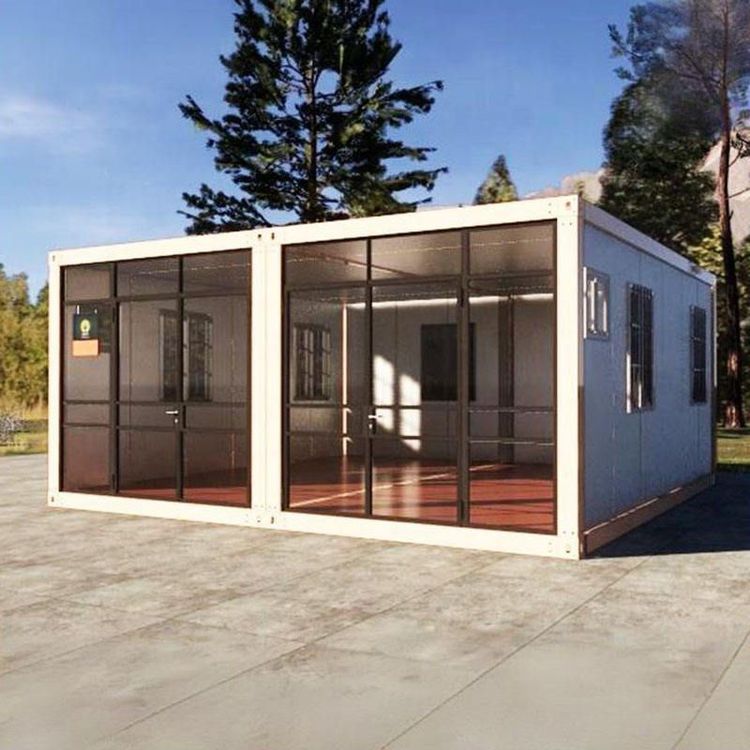
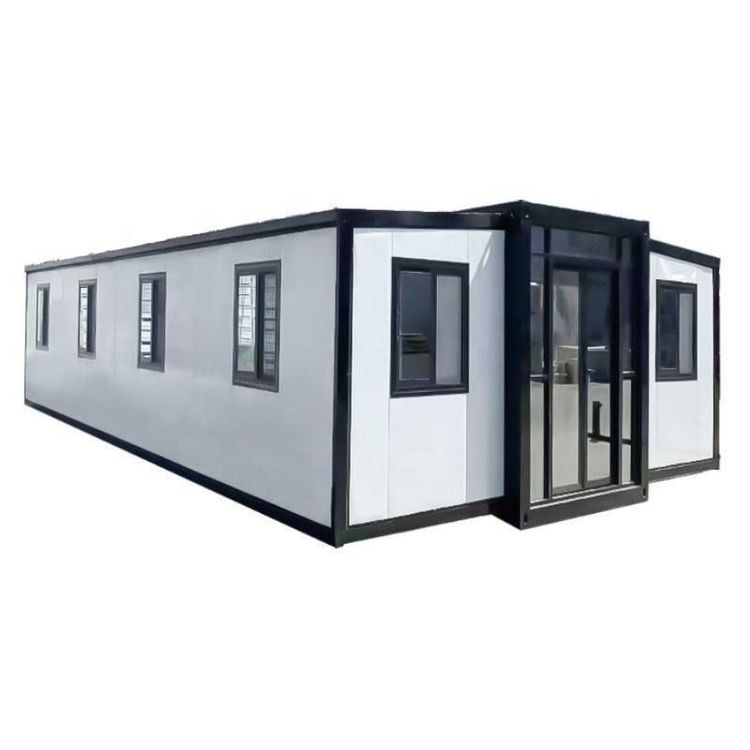
Insulation for container houses can be achieved by selecting appropriate insulation materials, adding insulation layers, optimizing window and door designs, focusing on detail handling, and installing temperature control equipment. Details are as follows:
1. Select Appropriate Insulation Materials The insulation performance of container houses is closely related to the thermal conductivity of the materials. Polystyrene boards, polyurethane foam boards, and rock wool boards are commonly used insulation materials with low thermal conductivity, effectively blocking heat transfer. For example, when the thickness of the polyurethane foam layer exceeds 50mm, it can block heat conduction and, combined with an outer layer of anti-corrosion color steel plates reflecting sunlight, forms an efficient thermal insulation structure. In addition to insulation, rock wool boards also have fire-resistant properties, making them suitable for scenarios with high safety requirements.
2. Add Insulation Layers Insulation layers can significantly reduce heat loss. During design, external insulation layers can be installed on the outer wall surfaces, or internal insulation boards can be installed on the inner walls to form a thermal insulation barrier. For example, container houses using color steel sandwich panels (such as those made of rock wool or polyurethane) have better insulation effects than ordinary foam boards, preventing the infiltration of cold air in winter.
3. Optimize Window and Door Designs Windows and doors are the main channels for heat leakage. It is recommended to use double- or triple-glazed windows, which have low thermal conductivity and excellent insulation performance. At the same time, sealing strips can be installed around the edges of windows and doors to reduce air leakage through gaps. For example, a café in Mogan Mountain uses sandwich panels with aluminum foil reflective layers, combined with adjustable sunshades and bottom ventilation slots, achieving a balance between winter insulation and summer ventilation.
4. Focus on Detail Handling of the Insulation System The joints of insulation materials, connection parts, and the interfaces with the container structure require sealing treatment. For example, professional sealing materials can be used at the joints to prevent heat leakage; stable construction methods can be adopted at the interfaces between the insulation layer and the walls to ensure structural airtightness. The national "Technical Standard for Steel Structure Integrated Houses" requires that the heat transfer coefficient of the walls of residential container houses should be ≤0.45W/(㎡·K), equivalent to 1.8 times the insulation efficiency of traditional brick-and-mortar walls.
5. Install Temperature Control Equipment In extreme climates, equipment such as air conditioners, graphene floor heating systems, and entrance air curtains can be used to regulate indoor temperature. For example, container houses in plateau regions use thickened insulation layers and special steel materials, combined with temperature control equipment, to maintain stability in environments at an altitude of 5,000 meters with year-round snow.