
Back to blog
Article
Container House Installation Approvals
Admin September 13, 2026
Whether container house installation requires approval depends on use, location, scale, and related factors. Commercial, permanent, or uses in designated control areas usually need approval; temporary or simple rural use may follow a simplified process or need no approval.
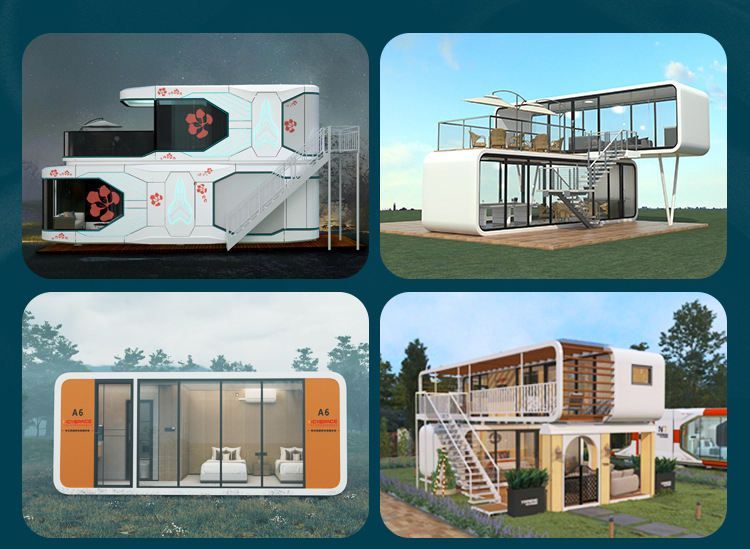
I. Assessing Whether Approval Is Required
- Use and location: If a container house is used for commercial activity (such as a shop or guesthouse), as a permanent residence or long-term office, or is placed in planned control areas such as urban built-up areas or development zones, approval is usually required. For example, building a container shop in an urban commercial district requires a permit from the planning authority.
- Land and planning compliance: Whether the land is owned or leased, you must confirm that the land use allows container house construction. For example, industrial land may allow temporary storage, but building on residential land may require a planning change or a permit.
- Scale and height limits: Container houses that are large in scale (such as multi-story structures) or taller than local temporary-building standards need approval to ensure structural safety and fire compliance. For example, container houses taller than two stories typically require a structural safety assessment report.
- Public utility connections: If you need to connect water, electricity, gas, or other public utilities, or the structure is complex (such as adding an elevator), approval or filing under applicable regulations is required. For example, connecting to municipal water supply requires an application to the water authority.
II. Approval Process and Materials
- Submit an application: File materials with the local planning authority or housing and construction department, including identity documents or a business license, proof of land use rights (such as a lease contract), design drawings, a structural safety assessment report, and a fire safety inspection report.
- Review and site inspection: The authority reviews the materials and inspects the site to assess compliance, safety, and impact on the surrounding environment—for example, whether the structure blocks fire access or affects neighbors' daylight.
- Approval decision: Based on the review, the authority issues an approval or rejection. After approval, a temporary building permit may be issued, typically valid for two years and renewable upon expiry.
III. Special Cases and Notes
- Temporary-use exemption: Short-term construction, emergency relief, and similar temporary uses that do not change the nature of the land may require only filing. For example, a temporary site office often needs to be filed with the housing and construction department.
- Simplified rural homestead rules: Simple, self-use container houses on rural homestead land owned by the household may not need approval if they meet local rural building rules (such as height and floor-area limits).
- Environmental and safety requirements: Conditions such as compliant domestic wastewater discharge and firefighting equipment must be met. For example, residential container houses must be equipped with fire extinguishers and smoke alarms.
- Local regulatory differences: Localities may set specific rules—for example, Beijing requires that container houses not occupy public space, and Shanghai requires a deposit for temporary buildings. Consult local authorities in advance.
IV. How Difficult Approval Is
- Local planning approval: Usually relatively easy to obtain, especially for temporary buildings, which are typically approved for two years and can be renewed.
- Simplified paths for encouraged industries: In nationally encouraged sectors such as cultural tourism and creative parks, the approval process may be simpler.
- On-site compliance exemption: Building on owned land without disturbing neighbors, causing pollution, or changing the land use nature may not require approval.



