
Container House Information
The container houses used in the Nagoya Asian Games were mainly for the temporary accommodation of athletes and team officials, but they received negative reviews from many national delegations due to their poor conditions. The following is an analysis from the perspectives of design, problems, and improvement directions:
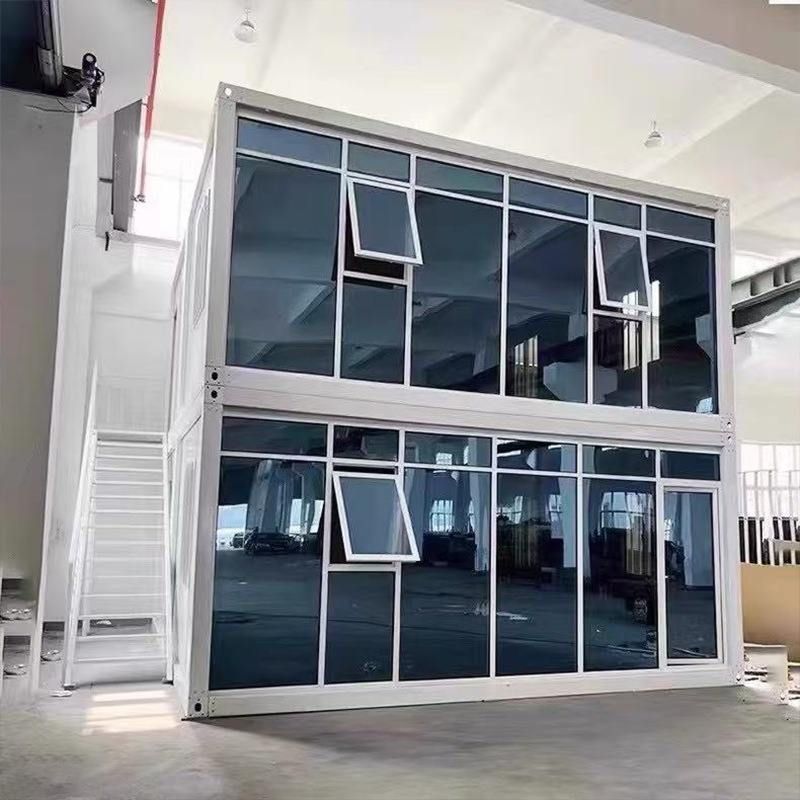
Design Features and Uses
To cut costs, the Nagoya Asian Games did not build a traditional athletes' village but instead adopted a decentralized accommodation model. About 200 container houses were deployed in the Nagoya port area to accommodate approximately 2,000 athletes and team officials. These houses, based on standard containers, were transformed into independent living units. Common sizes were 20-foot or 40-foot containers, known for their sturdy structure and convenient transportation, suitable for temporary, large-scale centralized accommodation needs. The original design intent was to reduce construction costs and shorten the preparation period through modular and rapid deployment.
Problems in Actual Use
Cramped Living Space
The interior space of the container houses was limited, with narrow beds that prevented athletes over two meters tall from straightening their legs, seriously affecting their rest quality. For example, the South Korean men's basketball team strongly criticized this, calling it the "worst ever."Frequent Facility Failures
The houses had water leakage issues, such as sinks leaking and causing water to flood the floors. Some rooms were even rendered unusable due to severe leaks, forcing some teams to find alternative accommodations.Inadequate Supporting Services
The organizing committee responded slowly to the concerns of the delegations and failed to promptly resolve accommodation issues, leading to dissatisfaction among many national delegations. Additionally, due to the scattered venues, some athletes had to take shuttle buses for 1.5 to 2 hours to reach the competition sites, further exacerbating the inconvenience.
Improvement Directions and Industry Insights
Optimize Space Design
Increase the usable area through expandable structures or modular拼接 (splicing) to enhance space comfort, such as adding side expansion modules to the containers.Strengthen Quality Control
Draw on China's experience in modular construction by completing the main structure, water and electricity pipelines, and interior decoration in the factory to reduce on-site construction errors and ensure the reliability of key aspects such as waterproofing and electrical circuits.Improve Emergency Response Mechanisms
Establish a rapid maintenance team to respond in real-time to issues such as water leaks and equipment failures to avoid affecting the athletes' competition status.Enhance Humanized Services
Refer to the Indian delegation's "simulation module" adaptation measures by providing accommodation environment descriptions in advance to help athletes adapt to temporary facilities and reduce psychological gaps.



