
Prospects of the Container House Industry
The container house industry has broad prospects and is moving towards refinement, low-carbonization, compliance, and scenario-based development.
I. Sustained Growth in Market Demand
With the iteration of modular building technologies and the expansion of scenario-based demands, the application boundaries of container houses continue to broaden. From traditional construction site dormitories and temporary office spaces, they have extended to various fields such as cultural tourism homestays, new energy support facilities, commercial districts, park services, and emergency support. In 2026, the market size of container houses is expected to grow by 23% year-on-year, with quick-assembly products accounting for 35% of the market share, indicating strong growth momentum.
II. Technological Upgrades Drive Product Iteration
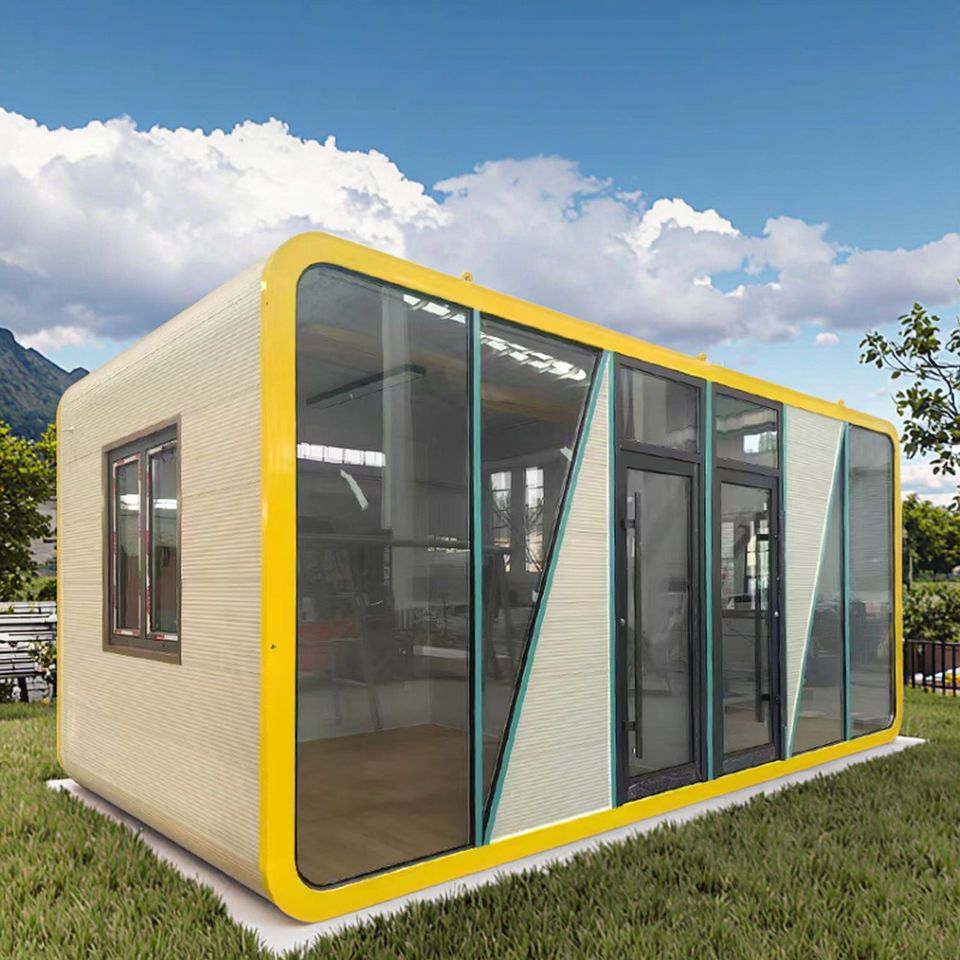
Modern container houses adopt an overall steel structure framework, paired with fire-resistant and thermal insulation composite materials, enabling rapid assembly and disassembly through modular design. They emphasize enhanced earthquake and wind resistance, optimized internal space layouts, and are equipped with standardized water and electricity interfaces. For example, products from Zhejiang Hangxing Green Building Materials Technology Co., Ltd. have a wind resistance rating of up to Level 10, a lifespan extended to over 15 years, and support plug-and-play solar power generation systems, meeting market demands for high-quality, multifunctional container houses.
III. Full Industry Chain Model Addresses Industry Pain Points
Enterprises with integrated research, development, and manufacturing capabilities are gradually demonstrating advantages. They manage the entire process from material sourcing and production to service delivery, effectively resolving issues such as inconsistent quality, limited scenario adaptability, and low secondary utilization rates of traditional container houses. This model not only reduces overall construction costs but also improves product turnover efficiency and lifespan, laying a foundation for sustainable industry development.
IV. Policy Support and Green Building Trends
Container houses align with domestic policies on circular economy and green construction. Their ability to be disassembled and reused multiple times significantly reduces construction waste emissions and enhances resource utilization. With the advancement of prefabricated building policies, container houses, as a new option for green buildings, are gaining increasing favor among users.



