Characteristics of the Container House Industry
The container house industry is characterized by flexibility, cost control, structural stability, and environmental efficiency.

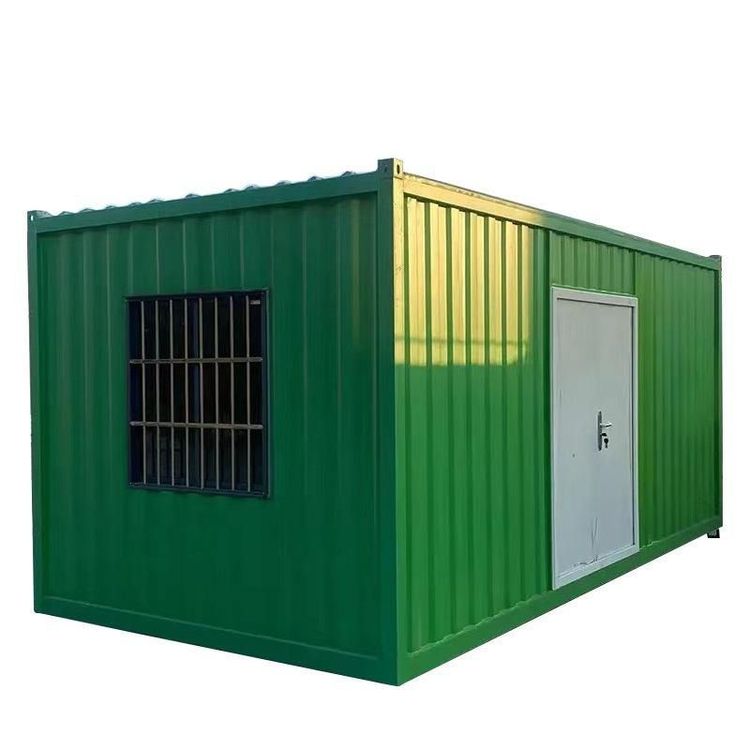
High flexibility: Container houses can be flexibly adjusted according to the needs of different scenarios. For example, through horizontal splicing and multi-layer stacking, they can be freely combined into different functional spaces such as office areas, dormitory areas, reception areas, and comprehensive camps. In the field of cultural tourism and homestays, they can be used for scenic area homestays, camping sites, etc.; in the field of engineering temporary buildings, they can serve as project office buildings and worker dormitories; in the field of emergency support, they can be used to build disaster relief settlement points and temporary medical stations.
High cost controllability: Container houses adopt a factory prefabrication model, with most processes completed in the factory, reducing on-site construction time and labor costs. At the same time, their characteristics of being repeatedly disassembled, assembled, and reused give them significant cost advantages in scenarios such as construction site temporary buildings and emergency housing. In addition, the materials of container houses can be recycled, effectively reducing environmental pollution and noise during the production process. Material waste is reduced by 60% - 70% compared to traditional buildings, further lowering costs.
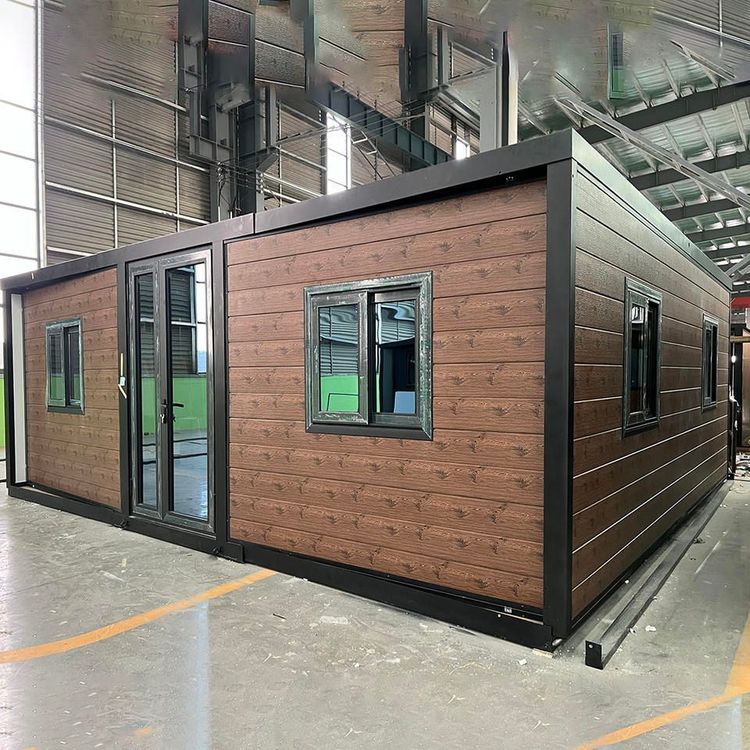
Structural stability and durability: High-strength light steel frames are used in combination with anti-corrosion treatment, and the hinge and track designs are mature, ensuring a flat and seamless surface after the container is unfolded. For example, the packing-box units produced by Suzhou Zhongnan Steel Structure Co., Ltd. use a fully steel structural frame. The measured wind resistance is up to Level 12, the earthquake resistance is Level 8, and the frame deformation rate is only 0.18%, far below the industry's qualified threshold of 0.3%.
Environmental efficiency: The factory prefabrication and dry construction methods of container houses avoid the generation of a large amount of construction waste, meeting the requirements of green building development. Moreover, their installation is extremely simple and efficient, requiring no professional construction team. Only unfolding and connecting to water and electricity on-site are needed before they can be put into use, greatly shortening the project preparation cycle.