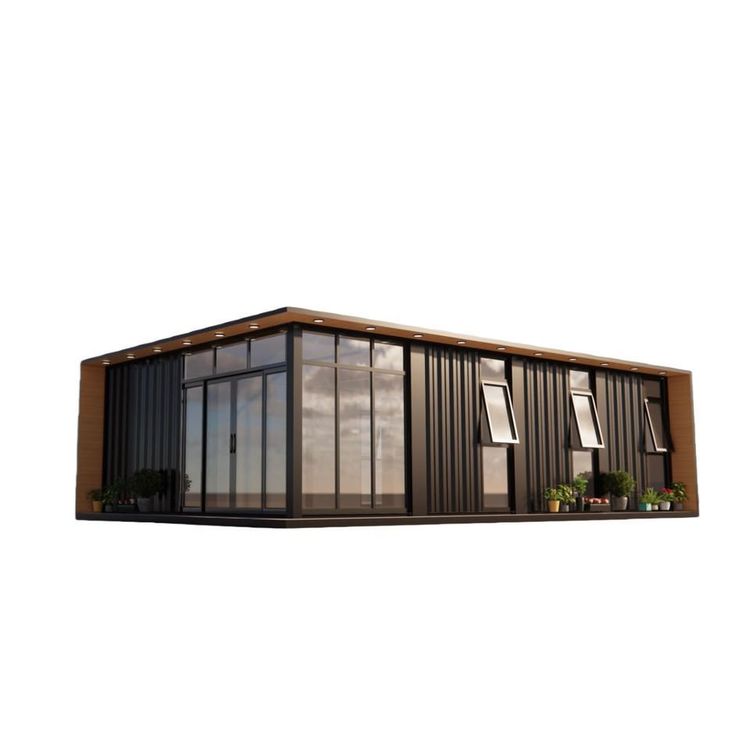
What to Do When It Snows in a Container House
When it snows in a container house, it is essential to focus on insulation, airtightness, heating facilities, and safe snow removal. Here are the specific measures:
Insulation Measures
The walls of container houses are relatively thin, with limited insulation performance. Enhancing insulation can be achieved through material selection and structural optimization. Exterior walls can use EPS boards (polystyrene foam boards) or rock wool boards, which have low thermal conductivity and effectively block heat loss. Interior walls can adopt closed insulation methods, such as filling with rock wool or expanded perlite boards, to form a double insulation layer. Additionally, laying carpets on the floor or installing insulation boards (such as polyurethane boards), and adding insulation strips around the bed can reduce heat loss from the floor and improve local insulation.
Airtightness Optimization
Cold winds and snowflakes can easily infiltrate the interior through gaps in doors and windows, so it is crucial to check the airtightness. Windows can be fitted with sealing strips, choosing silicone materials with strong weather resistance to ensure a tight fit with the window frames. Doors can use box sealing strips around the edges, with precise processing of the seams, such as wrapping with corner pieces to prevent misalignment. Regularly inspect the aging condition of the sealing strips and replace damaged parts promptly to effectively maintain indoor dryness and warmth.
Heating Facility Configuration
Equipping reliable heating equipment is key to coping with low temperatures. Electric heaters are suitable for local heating but require attention to electrical safety to avoid overloading. Air conditioners can regulate indoor temperature, but it is necessary to ensure that the insulation performance of the container house matches their heating efficiency. When using heating equipment, it is recommended to set a reasonable temperature (such as 18-22°C) to avoid energy waste. Additionally, regularly clean the filters and inspect the wiring to ensure the equipment is in good working condition.
Safe Snow Removal Methods
Excessive snow accumulation can collapse the roof or cause structural deformation, so it must be cleared promptly. Heating method involves raising the indoor temperature to promote natural snow melting, but it is costly and has limited effectiveness, suitable as an auxiliary means before snow removal. Water flushing method uses a high-pressure hose to flush, applicable only when the outdoor temperature is relatively high and the snow accumulation is thin. Shoveling method is the most commonly used, following the principle of "high places first, then the ground," using wooden or plastic tools (avoiding metal tools that can scratch the roof) to clear the snow gradually in sections, preventing concentrated snow accumulation from causing local overload. When clearing snow from high places, wear a safety harness and set up protective nets to prevent falling accidents.