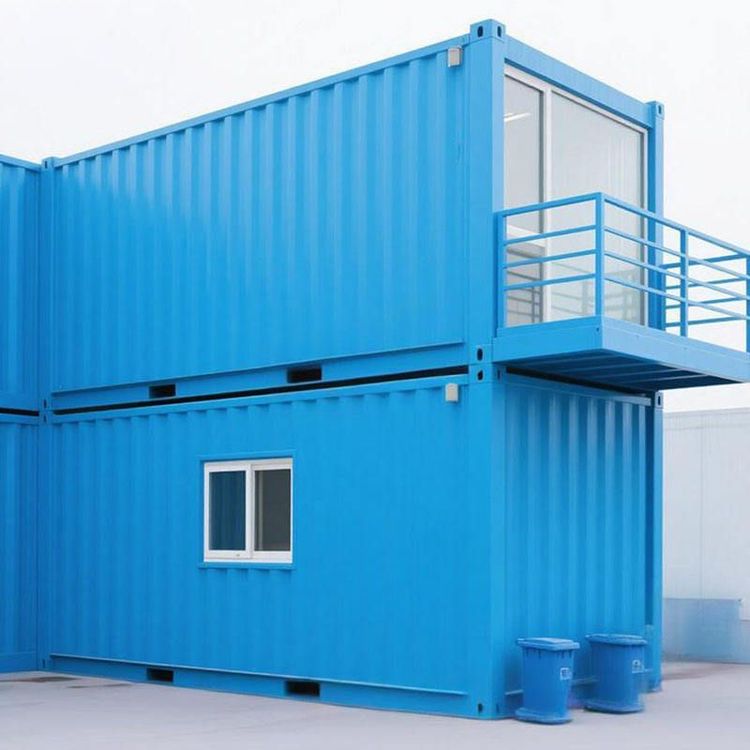
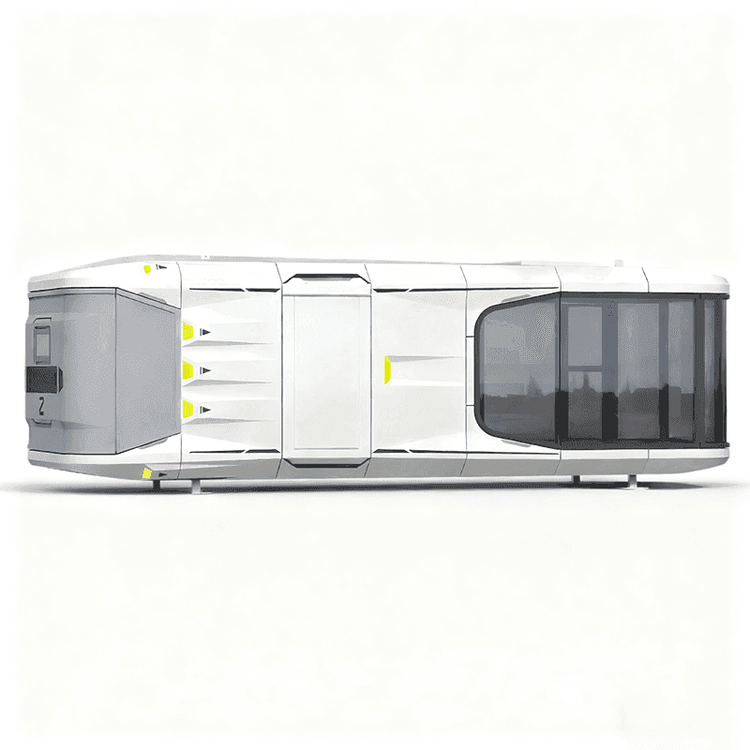
Container House in Frigid Regions
The key to the application of container houses in frigid regions lies in having special insulation designs, structural optimizations, and comprehensive performance adapted to extreme environments.
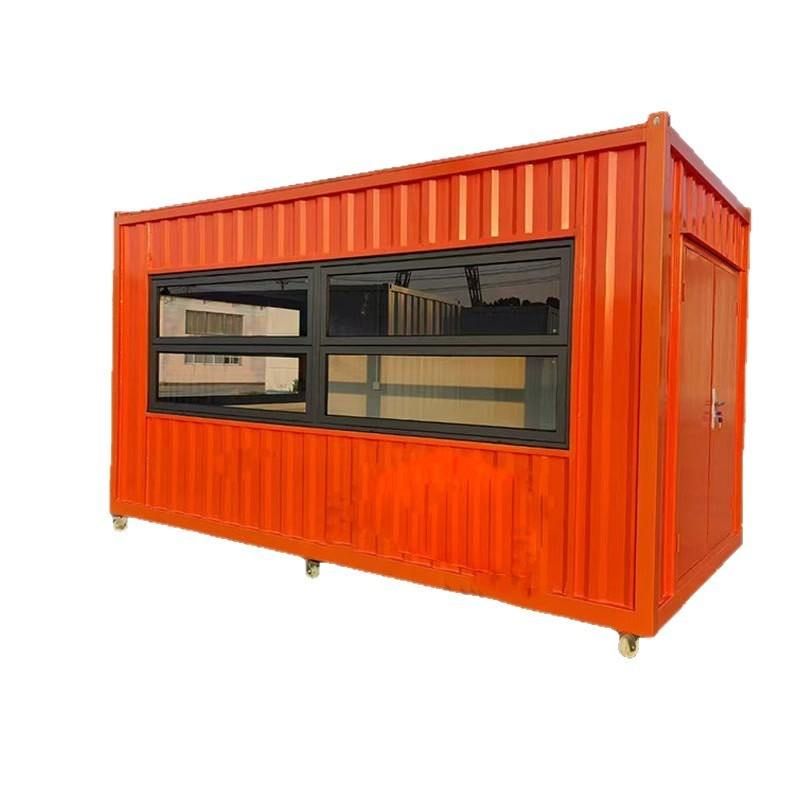
Insulation performance is crucial. In frigid regions, winter temperatures can drop to -50℃ or even lower. Insufficient insulation in ordinary container houses can lead to frozen and cracked pipes, as well as frost damage to walls, requiring substantial additional heating costs. Therefore, special insulation layers are necessary, such as increasing the thickness of insulation rock wool or using high-efficiency insulation materials like polystyrene boards and polyurethane boards to effectively resist extreme cold, maintain comfortable indoor temperatures, and reduce heating energy consumption. For example, Chengdong container houses, with special insulation layers, can withstand temperatures as low as -50℃ without requiring high-power heating indoors; Jilin Jinlin Metal Structure Manufacturing Co., Ltd. customized container homestays for cultural tourism projects in Northeast China, using thickened insulation layers for excellent winter insulation.
Structural optimization and material selection are vital. In frigid regions, large temperature differences between day and night and frequent freeze-thaw cycles pose higher demands on the structural stability of houses. High-strength steel should be used, and welding processes and coating systems should be optimized to enhance resistance to wind and snow erosion. For instance, Heilongjiang Huamao Equipment Manufacturing Co., Ltd. uses high-strength steel in the box structure and focuses on optimizing welding processes and coating systems according to the climatic characteristics of Harbin; Jilin Jinlin Metal Structure Manufacturing Co., Ltd.'s products pass multiple performance tests to ensure structural stability in low-temperature environments.
Sealing performance and anti-corrosion processes cannot be overlooked. In frigid regions with heavy snow and strong winds, houses need good sealing performance to prevent cold air infiltration. At the same time, ordinary steel is prone to damage from freeze-thaw cycles in low-temperature environments, necessitating anti-corrosion and anti-rust processes. For example, Jilin Jinlin Metal Structure Manufacturing Co., Ltd.'s products use double-layer sealing, waterproofing, and cold-proof processes to effectively block snow and wind; Chengdong container houses, designed for plateau scenarios, use anti-corrosion and anti-rust steel structures that have undergone rigorous salt spray tests to resist salt, alkali, and oil corrosion.