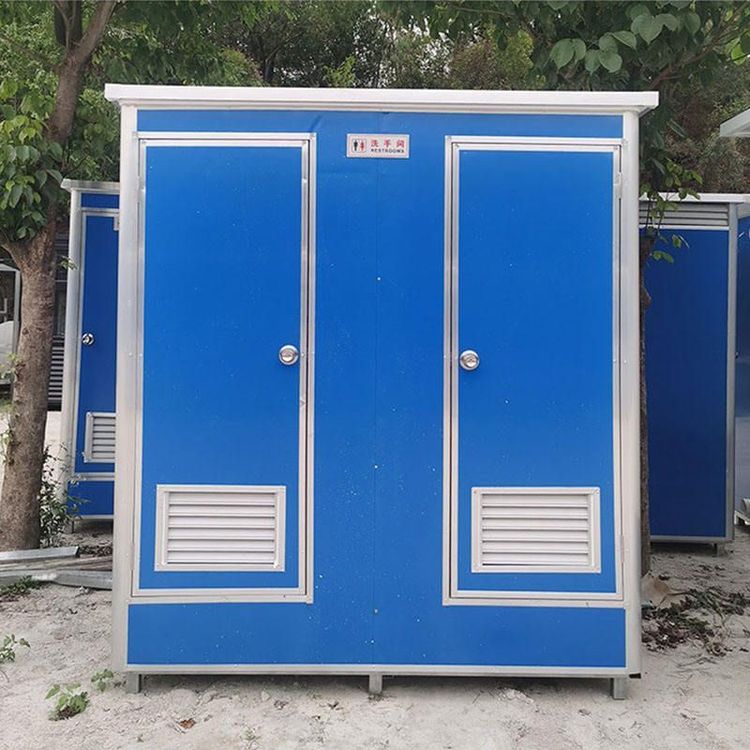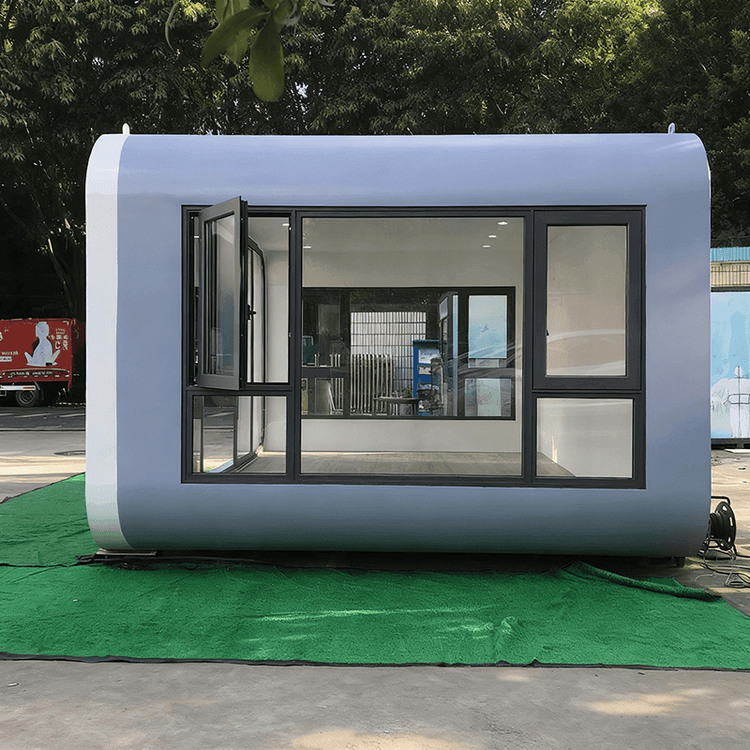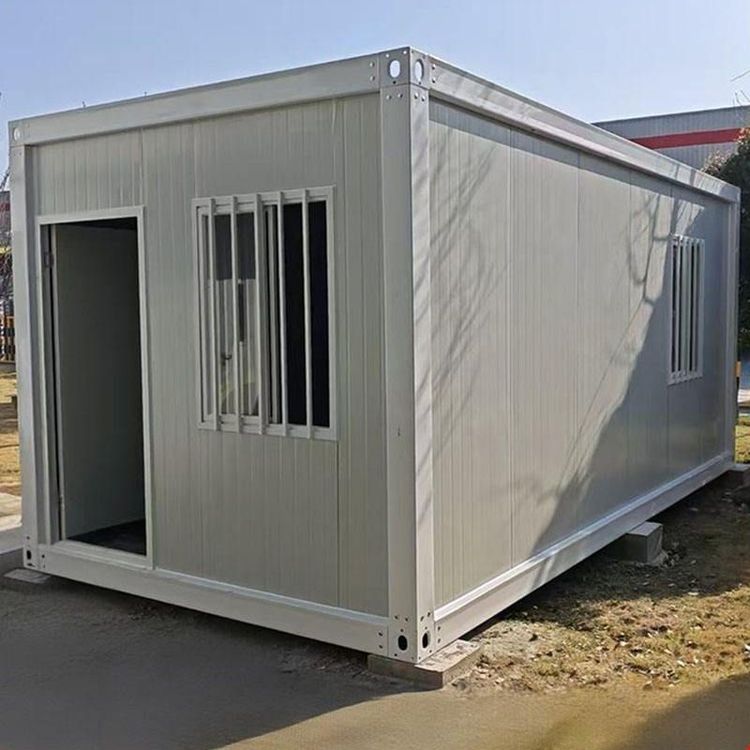
Is Container House Illegal Construction?
Whether a container house is considered illegal construction depends on the situation, and the key lies in whether approval procedures have been obtained and whether its use and placement location are compliant. Details are as follows:

If no approval procedures have been obtained and its use and placement location do not comply with regulations, it is considered illegal construction. According to the Urban and Rural Planning Law and other regulations, buildings constructed without a construction project planning permit or not in accordance with the permit are illegal constructions. For example, the owner of a restaurant in Lvxiang Town, Jinshan District placed a container behind the house as temporary housing for employees without going through any procedures. Law enforcement officers pointed out that its nature was the same as that of building a house without a permit, making it an illegal construction. The Liucang District Comprehensive Administrative Law Enforcement Bureau found three container-style panel houses hidden in the corner of a courtyard that had not gone through temporary construction procedures, which were also illegal constructions. In addition, if container houses are stacked in public areas, they should be dealt with as illegal occupation of public space. If a container is transformed into a house to have living conditions such as water and electricity supply, doors and windows opened, or air conditioners installed, it should also be regarded as an illegal building.
If approval procedures have been obtained or its use and placement location comply with regulations, it is not considered illegal construction. In some places, container houses are regarded as temporary buildings, and no construction permit is required, allowing them to be freely erected and dismantled. For example, placing a container on the roof of a self-built house or in a field for the temporary storage of agricultural materials and tools is considered a farm or orchard watchhouse. As long as it does not damage the plow layer, has no water or electricity supply inside, has no traditional foundation construction on the ground, and does not occupy land quotas, it is usually not regarded as an illegal construction. However, it should be noted that when placing containers, hardening the ground or building permanent foundations should be avoided. If the ground is hardened, it is considered an illegal construction. At the same time, the nature of container houses should not be used for business or living to prevent them from being identified as a 'substantial change in land use'.