
Container House Illegal Construction
Whether container houses are considered illegal constructions depends on the situation, with the core factors being whether they have obtained legal approval procedures and whether they have changed the land use purpose. Here is a detailed analysis:
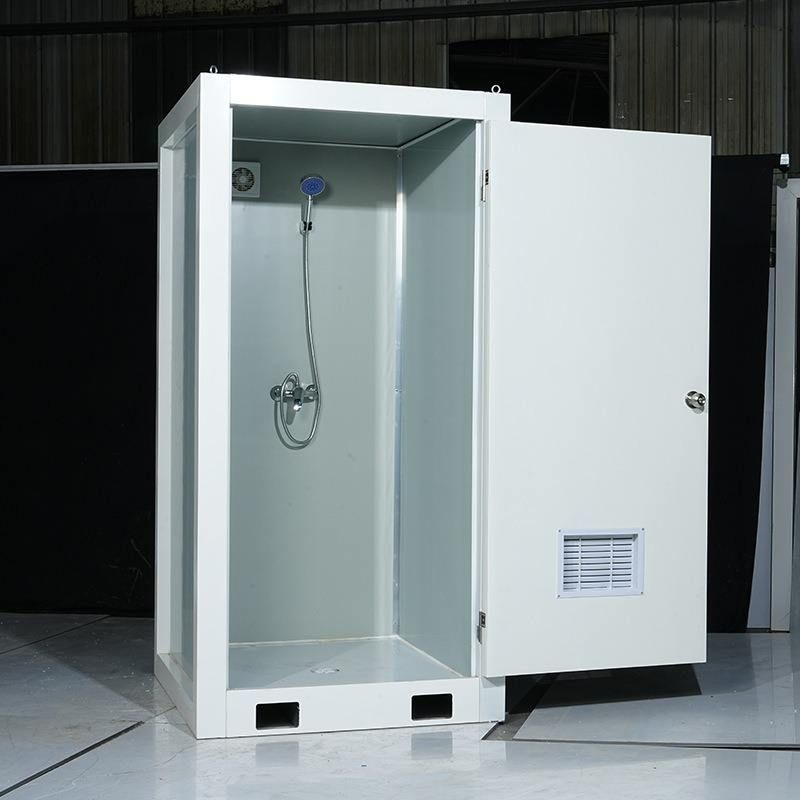
1. Legal Definitions and Core Criteria for Determination
According to regulations such as the Urban and Rural Planning Law, illegal constructions must meet two conditions: first, they are classified as 'fixed buildings'; second, they have not obtained planning permits or have changed their use without authorization. Container houses are essentially movable metal structures. If the ground is not hardened, there is no access to water and electricity, and no permanent occupation is formed, they are usually not recognized as 'buildings' in the traditional sense. However, if they are built on foundations, connected to water and electricity for long-term residence, or converted for commercial purposes (such as homestays or shops), they may be considered as having 'substantially changed the land use purpose', thus constituting illegal constructions.
2. Differences in Determination Based on Different Usage Scenarios
- Temporary storage of agricultural materials/tools: If containers are only used for guarding farmland and orchards, without damaging the plow layer, hardening the ground, or having access to water and electricity, they are usually not regarded as illegal constructions. For example, farmers placing containers by the fields to store agricultural tools may be allowed to continue using them after inspection by urban management authorities.
- Residential or commercial purposes: If containers are refitted into living spaces (such as 'container蜗居') or used for commercial operations (such as coffee bars or homestays), and no temporary construction permits or temporary building filings have been obtained, they are considered illegal constructions. For instance, during a special rectification campaign in Danbei Town, containers illegally refitted for residence were forcibly removed due to fire safety hazards; a露营 owner in Yunnan was fined for operating a container coffee bar on forest land without obtaining forestry fire safety approval.
- Occupation of public areas: Regardless of the purpose, if containers are placed on urban roads, green spaces, fire lanes, or collective land without authorization, they are considered illegal constructions. For example, during a rectification campaign in Changshuo Street, containers that occupied fire protection spacing or blocked evacuation routes without approval were uniformly removed.
3. Differences in Local Policies and Enforcement
The intensity of control over container houses varies across regions. Coastal cities (such as Shanghai and Shenzhen) may introduce special policies to encourage the use of container buildings in the cultural tourism and commercial sectors, while agricultural provinces (such as a certain province's new regulations in 2025) may require temporary building filings for container houses in farmland. Therefore, it is necessary to consult local planning and urban management authorities for specific requirements before use.



