
Hygiene of Container Houses
The hygiene status of container houses depends on their specific configurations and management levels. Container houses that meet official accommodation standards can ensure basic hygiene needs with reasonable maintenance, but cramped spaces and shared facilities may pose challenges to actual hygiene conditions.
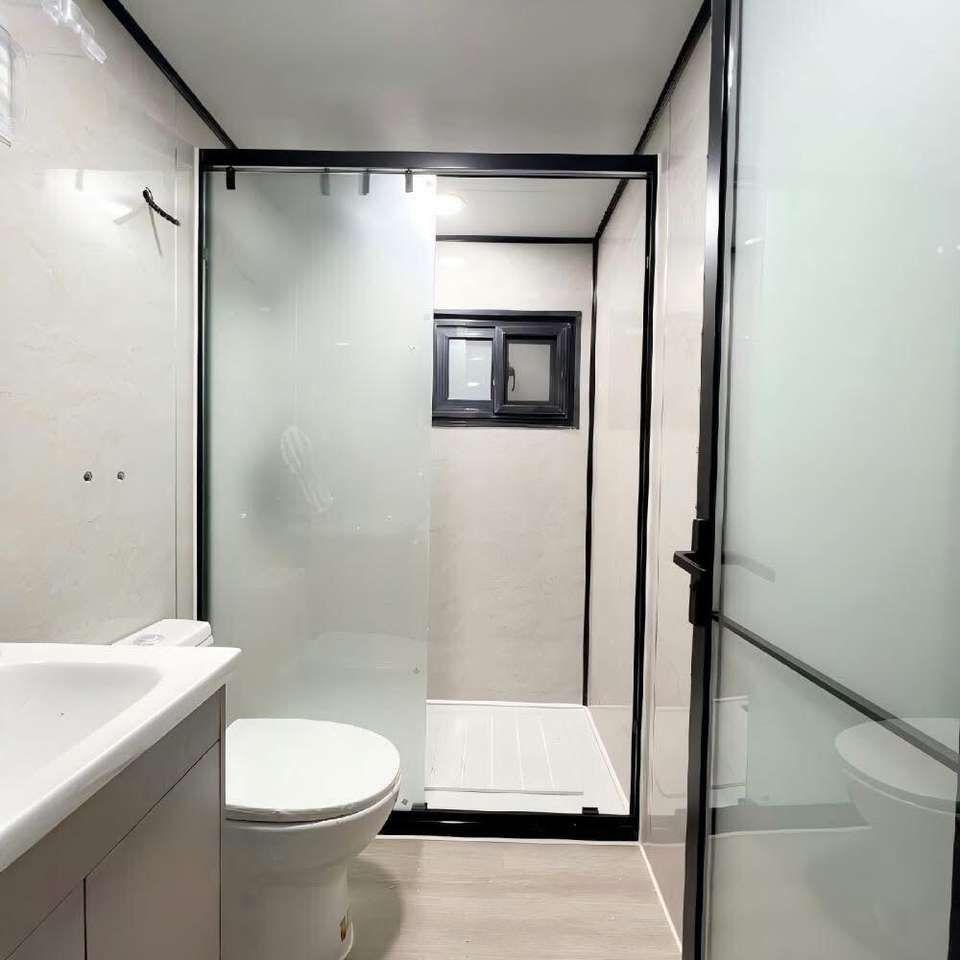
Hygiene Configurations of Container Houses Meeting Official Standards
The core requirements of the Olympic Council of Asia for athletes' accommodation include safety, hygiene, and basic rest guarantees. The container houses used in the Nagoya Asian Games consisted of two households per unit, with three people per household. Each room was equipped with an independent toilet, bathroom, refrigerator, washing machine, and air conditioner. This design avoided the risk of cross-contamination caused by shared facilities through independent sanitary facilities, meeting the official hygiene threshold. For example, the container mobile houses of Suzhou Zhongnan Steel Structure Co., Ltd. adopt a full steel structure frame, with weld strength meeting national standards, ensuring structural stability and providing a safe foundation for sanitary facilities.
Hygiene Challenges in Actual Use
Despite meeting configuration standards, the cramped spaces and shared facilities of container houses may affect hygiene conditions. For example, some container houses in the Nagoya Asian Games had limited ceiling heights, restricting athletes' indoor activities and potentially increasing cleaning difficulties. Each household was equipped with only one air conditioner, and insufficient ventilation could lead to increased indoor humidity and bacterial growth. Additionally, improperly maintained shared toilets were prone to drainage issues and odor accumulation. During the 2026 Nagoya Asian Games, heavy rainfall caused waterlogging and leakage in container houses, further exacerbating hygiene risks and leading to the emergency evacuation of approximately 400 athletes and staff.
Key Factors for Hygiene Guarantees
- Facility Maintenance: Regular cleaning of independent sanitary facilities, inspection of drainage systems, and timely repair of leaks are fundamental to ensuring hygiene. For example, Suqian Urban Management adopts the 'five-have-one-classify' standard for managing construction waste to avoid secondary pollution, and such refined management models can be applied to the maintenance of container houses.
- Space Design: Rational planning of sanitary layouts to ensure ventilation and lighting can reduce the risk of bacterial growth. For example, custom-made container house toilets with wet-dry separation designs can improve cleaning efficiency.
- Emergency Management: Emergency plans need to be formulated for extreme weather or unexpected situations. For example, the waterlogging of container houses in the Nagoya Asian Games due to low-lying locations highlights the need for future projects to strengthen terrain assessments and waterproof designs.



