
Back to blog
Article
Container House Guardrail Pictures
Admin September 15, 2026
Currently, there is no direct content providing pictures of container house guardrails, but their types and design features can be inferred from relevant product information.
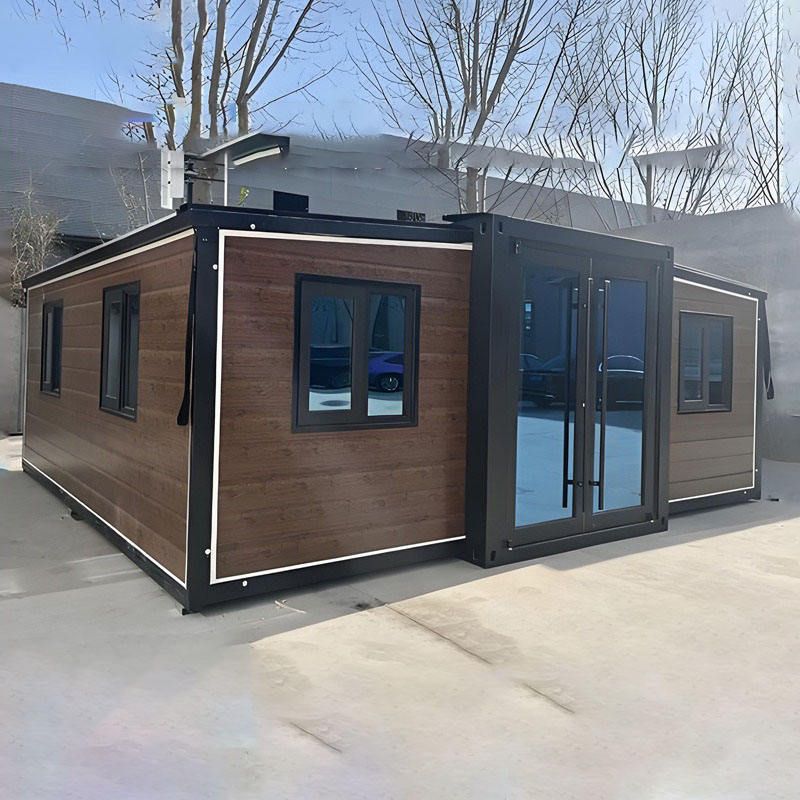
I. Common Types of Container House Guardrails
- Steel Structure Guardrails: The main body of container houses is often made of steel structures, and the matching guardrails also frequently use the same type of material. For example, prefabricated steel structure fences are used for municipal roads or construction sites. They have the characteristics of modularity and rapid installation. They are usually welded from steel pipes or section steels, and their surfaces are treated for rust prevention (such as galvanizing and painting), making them structurally stable and weather-resistant.
- Wrought Iron Decorative Guardrails: Some container houses (such as villas and homestays) may use wrought iron guardrails, which combine safety and aesthetics. Common designs include zinc-steel courtyard fences and balcony guardrails. These are made with stamping and welding processes to create patterns or geometric shapes, and their surfaces are covered with anti-rust coatings. They not only meet protection needs but also enhance the decorative appearance of the building.
- Portable Mobile Guardrails: For temporary needs (such as event sites and construction areas), container houses may be equipped with movable guardrails. These guardrails are mostly made of lightweight metals (such as aluminum alloys and stainless steel) or high-strength plastics. They are designed to be foldable and retractable, facilitating rapid deployment and storage. They are often equipped with universal wheels at the bottom to enhance flexibility.
II. Design Features of Container House Guardrails
- Modularity and Standardization: Guardrail components are usually produced in standard sizes, supporting free splicing and expansion to adapt to the layout requirements of different container houses. For example, prefabricated fences can quickly adjust the protection range by adding or removing unit panels.
- Enhanced Safety Performance: The height and spacing of guardrails need to comply with building safety regulations (such as balcony guardrails preventing children from climbing). Key parts (such as corners and connections) are reinforced to ensure impact resistance. Some products have passed CE certification and meet international safety standards.
- Integrated Functions: Some guardrails integrate additional functions, such as built-in lighting systems (for nighttime warnings), billboard spaces (for commercial use), or solar panels (for green energy applications), enhancing their practicality and cost-effectiveness.



