
Container House Ground Hardening
Container house ground hardening is generally considered an unauthorized construction, but it needs to be judged based on specific circumstances. The following analysis is conducted from four aspects: the logic of unauthorized construction identification, the characteristics of container houses, the impact of ground hardening, and suggestions for compliant use.
1. Core logic for identifying unauthorized construction
According to relevant regulations, unauthorized construction mainly refers to acts of constructing without obtaining a planning permit,擅自改变土地用途 (unauthorized alteration of land use) or carrying out permanent construction. The key criteria for judgment are whether the land nature is damaged and whether a permanent structure is formed. For example, ground hardening is a permanent modification to the land. If it is not approved, it may be identified as unauthorized construction.
2. Temporary nature of container houses
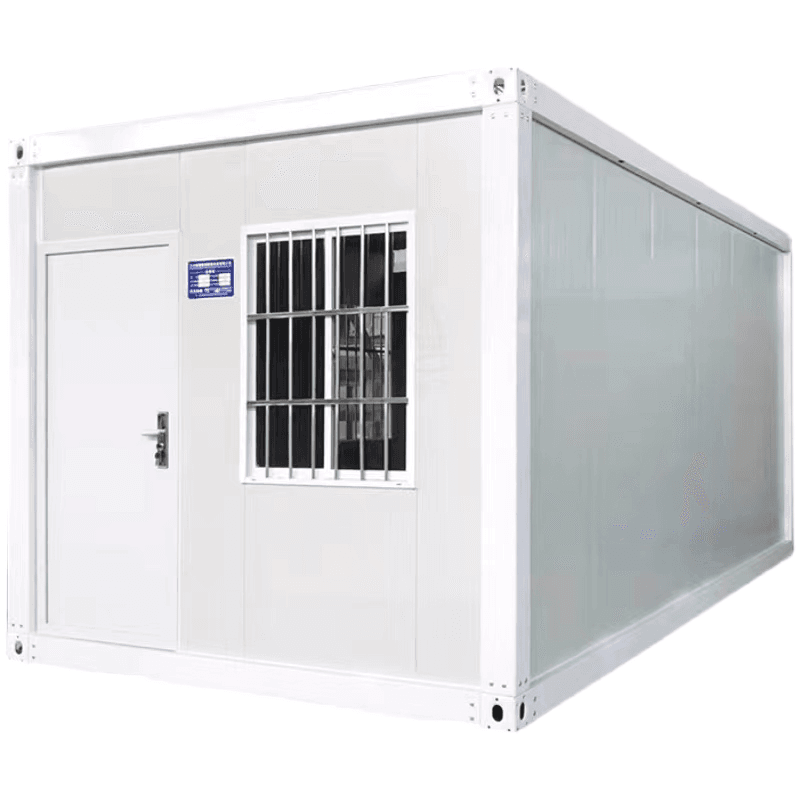
Container houses themselves are movable metal structures, originally designed for temporary storage or living, and are generally not regarded as fixed buildings. Their flexibility is reflected in:
- No need for traditional foundations: In most cases, they only need a flat ground for placement. Some types, such as foldable container houses, can even be placed directly on bare ground.
- Lenient approval: In some areas, they are allowed to be freely erected and dismantled without obtaining a building permit.
However, it should be noted that if a container house is used for business operations or long-term residence, it may be identified as a 'substantial alteration of land use', thus triggering an unauthorized construction review.
3. Risk of unauthorized construction due to ground hardening
Ground hardening is a 'red line' act for identifying unauthorized construction for the following reasons:
- Altering land nature: Ground hardening damages the original plow layer or natural surface and may occupy land quotas.
- Forming a permanent structure: When combined with a container house, the hardened ground is regarded as a fixed building rather than a temporary container.
- Regional policy differences: Some areas explicitly stipulate that when placing container houses, 'ground hardening or the construction of permanent foundations should be avoided'; otherwise, it is regarded as unauthorized construction.
4. Suggestions for compliant use
- Avoid ground hardening: Choose flat land or lay movable pads (such as steel plates) to reduce permanent modifications to the land.
- Clarify the purpose: Use it only for temporary storage of agricultural materials, tools, etc., and avoid business or residential purposes.
- Consult local authorities: Different regions have different approval requirements for container houses. It is necessary to confirm in advance the usage period, purpose, and whether reporting is required.



