Connection Between Container House and Ground
There are various ways to connect container houses to the ground, with common methods including direct placement, embedded-part welding, and modular bolting. The specific choice depends on the type of house, foundation conditions, and usage requirements.
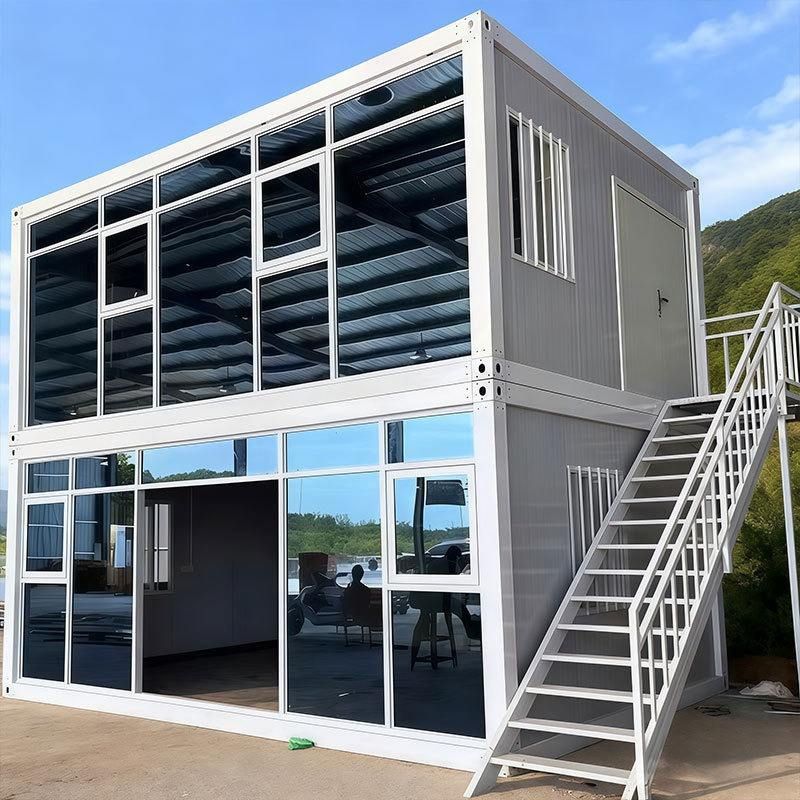
1. Direct Placement and Foundation Treatment
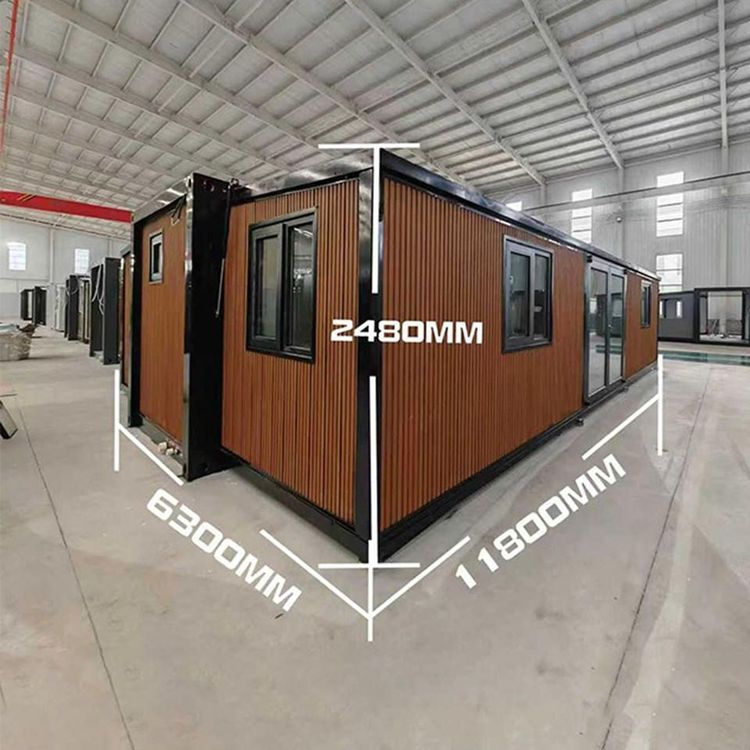
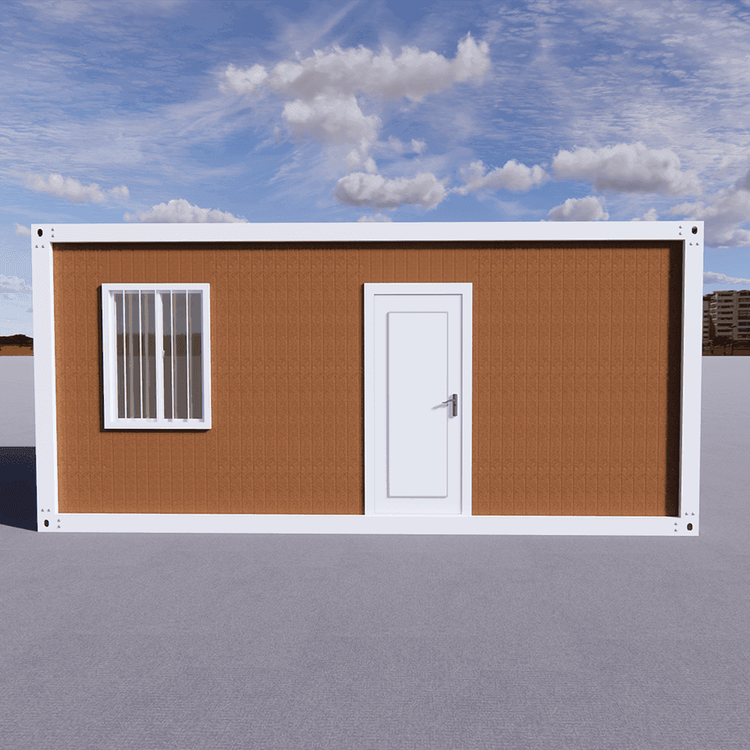
Some container houses have relatively low foundation requirements. For example, foldable container houses, fixed residential container houses, and packing-box container houses can be directly placed on leveled ground. If conditions permit, pouring a cement floor and installing drainage ditches can enhance living comfort. The foundation forms of packing-box container houses are more flexible, allowing for strip foundations, pier foundations, or even no dedicated foundation. However, it should be noted that directly placed houses have weaker wind and earthquake resistance and require additional reinforcement measures.
2. Embedded-Part Welding for Fixation
To enhance connection stability, embedded parts can be welded to the support column bases. For example, in the patented technology of Dongguan Yashun Light Steel Structure Co., Ltd., several metal parts are embedded in the raft foundation (concrete structure), with welding surfaces set at their upper ends. The support column bases of the container are welded to the embedded parts, forming a firm connection. This structure can significantly improve the house's wind and earthquake resistance, reduce the impact of external factors on the house, and is suitable for scenarios with high stability requirements.
3. Modular Bolted Structure
Some container houses adopt a modular design, with corner columns bolted to the roof, floor, and wall modules for rapid disassembly and transportation. For example, in a container house connection structure, the corner columns are bolted to the roof module, floor module, and wall module respectively, ensuring structural strength and facilitating on-site assembly. This connection method is suitable for scenarios requiring frequent relocation or temporary use, but it is essential to ensure proper anti-corrosion treatment of the bolted parts.
4. Reinforcement Measures in Special Scenarios
Under extreme climatic or geological conditions, container houses require additional reinforcement. For example, elevating the house with independent pile foundations can prevent moisture and pests and adapt to uneven ground. Adding lightning rods and lightning protection nets can enhance safety during thunderstorms. Additionally, measures such as installing internal insulation layers on walls and roofs and selecting triple-glazed windows can improve the house's thermal insulation performance and indirectly enhance structural stability.