
Container House Foundation Elevation
The elevation of the foundation for container houses is primarily aimed at preventing moisture, deterring insects, facilitating site leveling, while blocking the conduction of ground cold bridges and enhancing living comfort. Here is a detailed analysis:
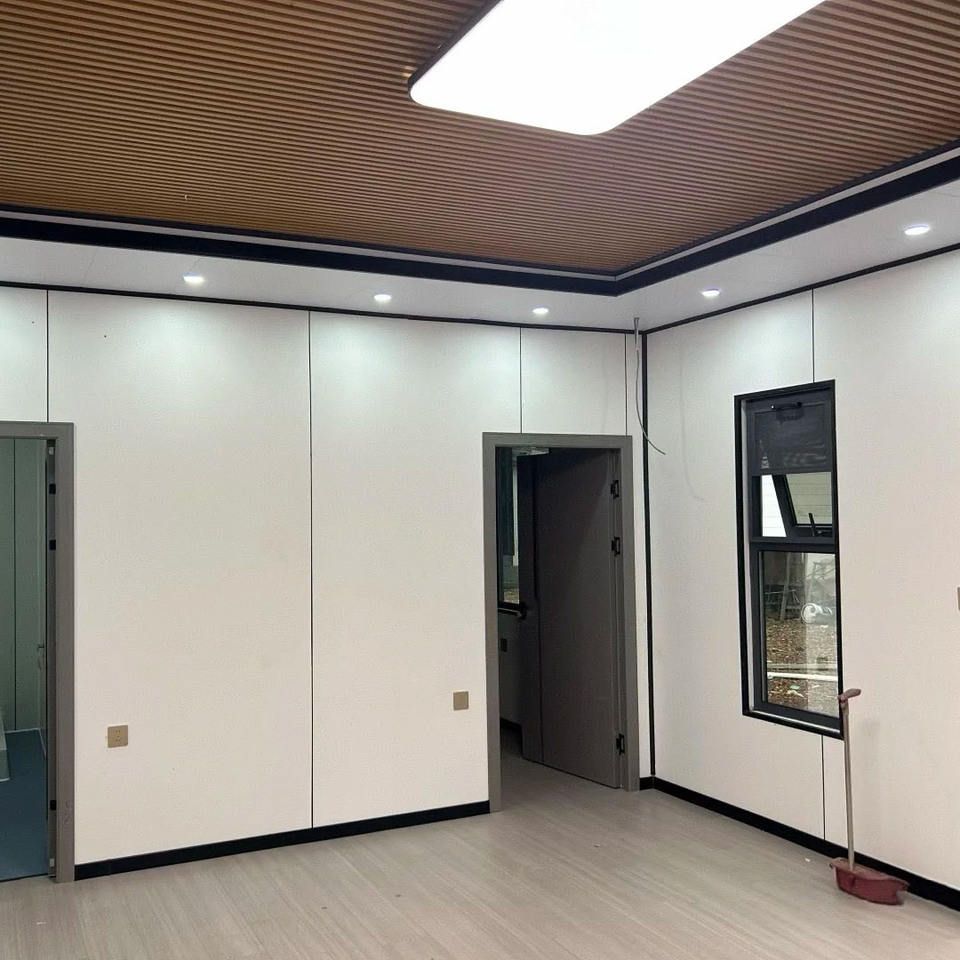
I. Moisture and Insect Prevention, and Site Leveling
Container houses are elevated on pile foundations, with their bottoms not directly in contact with the ground, effectively preventing moisture intrusion. Especially in humid southern regions or coastal areas, ground moisture can easily cause corrosion at the bottom of the container, and the elevated design can extend the service life of the container. Meanwhile, the elevated structure prevents ants and other insects from entering the container from the ground, reducing the risk of pest infestation. Additionally, the elevated foundation has lower requirements for ground levelness. Even if there are slight undulations on the site, horizontal installation can be achieved by adjusting the height of the pile foundation, reducing construction difficulty.
II. Blocking the Conduction of Ground Cold Bridges
Metal containers have a high thermal conductivity coefficient. In winter, the low ground temperature can easily form a cold bridge through the bottom of the container, leading to heat loss indoors. Some companies add an elevated layer at the bottom of the container and fill it with insulation materials such as rock wool to effectively block the conduction of cold bridges. For example, the Hohhot residential container house company adopts a three-layer structure (outer galvanized sheet, middle rock wool insulation layer, inner PVC-coated steel sheet) and adds an elevated layer at the bottom, reducing indoor temperature fluctuations by about 40% compared to traditional color steel plate houses, significantly improving winter living comfort.
III. Adapting to Different Foundation Conditions
The foundation requirements for container houses vary depending on the type. Foldable container houses and fixed residential container houses only require a leveled ground for use, and if conditions permit, a cement ground can be poured and drainage ditches can be set up. Packing-box container houses have even simpler foundation requirements and can even be placed directly on the ground. However, for long-term residence or in cold northern regions, it is recommended to use an elevated foundation, which not only meets the needs of moisture and heat insulation but also avoids the risk of the hardened ground being identified as an illegal construction.



