
Back to blog
Article
Container House Foundation Cement
Admin September 15, 2026
When cement is used for the foundation of container houses, common forms include cement caps or leveling of cement floors. In some scenarios, cement grouting reinforcement is adopted, and the specific choice depends on the type of house, usage requirements, and construction conditions. The following explains the application of foundation cement in different types of container houses, cement grouting technology, and alternative solutions from three aspects:

I. Application of Foundation Cement in Different Types of Container Houses
- Foldable/Fixed Residential Container Houses: They have relatively low foundation requirements. Usually, it is only necessary to level the ground. If conditions permit, a cement floor can be poured and drainage ditches can be set up. A cement floor can improve living comfort, but it is not mandatory.
- Packing Container Houses: The foundation requirements are flexible. Strip or pier foundations can be used, or they can even be placed directly on the ground. If a cement foundation is chosen, the size of the cap needs to be designed according to the load of the house to ensure stability.
- Residential Portable Panel Houses: A concrete foundation needs to be poured and bound to the house with expansion screws. This type of foundation requires a large amount of cement, but it is difficult to reuse it during demolition, resulting in waste of resources.
II. Application of Cement Grouting Technology in Foundation Reinforcement
- Technical Principle: Cement slurry is injected into the cracks of the foundation soil through drilling to cement loose soil layers and fill voids, thereby improving the bearing capacity of the foundation. It is suitable for reinforcing foundation voids, cracks, or weak soil layers.
- Construction Points: The slurry ratio needs to be adjusted according to geological conditions to ensure a balance between permeability and strength. After construction, it needs to be cured for a certain period of time until the cement hardens before it can bear the load of the house.
- Limitations: Cement grouting requires excavating the foundation soil, causing significant damage to the site. Moreover, the construction period is relatively long (taking several weeks to several months), which does not meet the demand for rapid construction of temporary buildings.
III. Alternative Foundation Solution to Cement: Screw Anchor Foundation
- Advantages: Screw anchors bear the load of the house through steel structures screwed into the soil, eliminating the need for pouring cement caps and achieving 'zero excavation, zero pouring, and zero pollution'. Its installation efficiency is three times higher than that of traditional methods, the material reuse rate is doubled, and the construction cost is reduced by 30%.
- Applicable Scenarios: It is especially suitable for temporary container houses, such as office buildings on construction sites. Screw anchors can be reused more than 10 times, providing significant long-term economic benefits and conforming to the concept of sustainable development.
Related
You may also like
15Nov
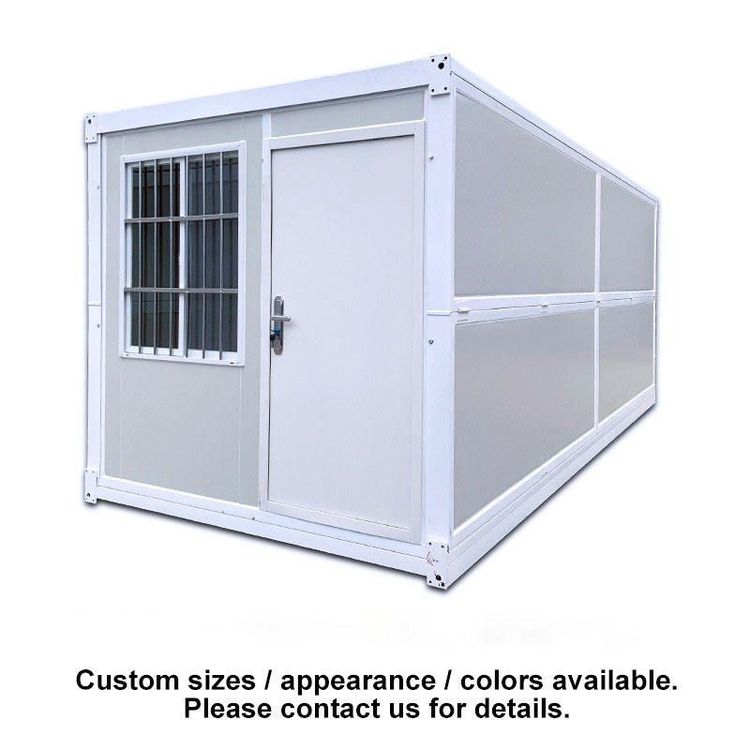
Container House Rendering: Types, Features & Buying Tips
Read More
15Nov
Portable Toilet Types: A Practical Buyer's Guide
Read More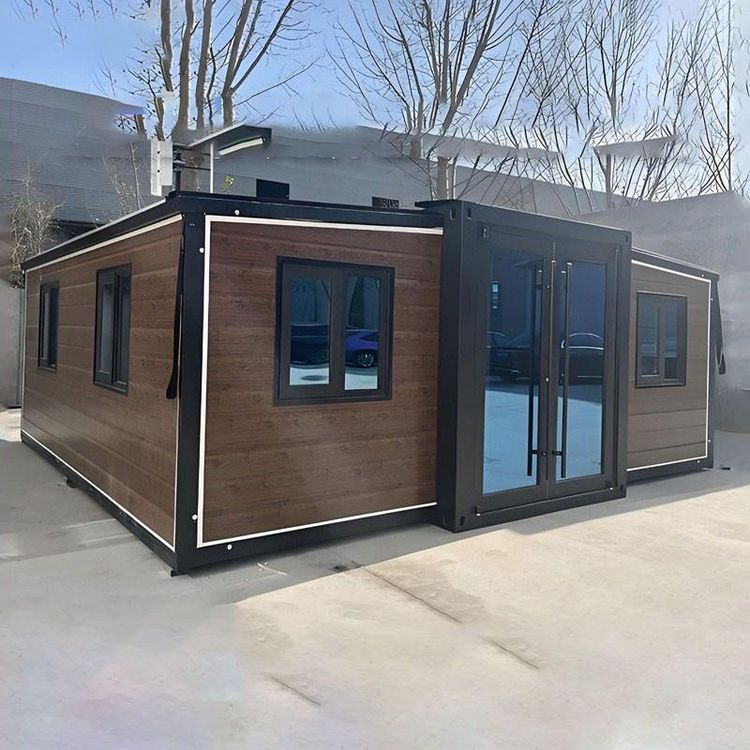
15Nov
Portable Toilet Movable Eco-Friendly: What to Know Before You Buy
Read More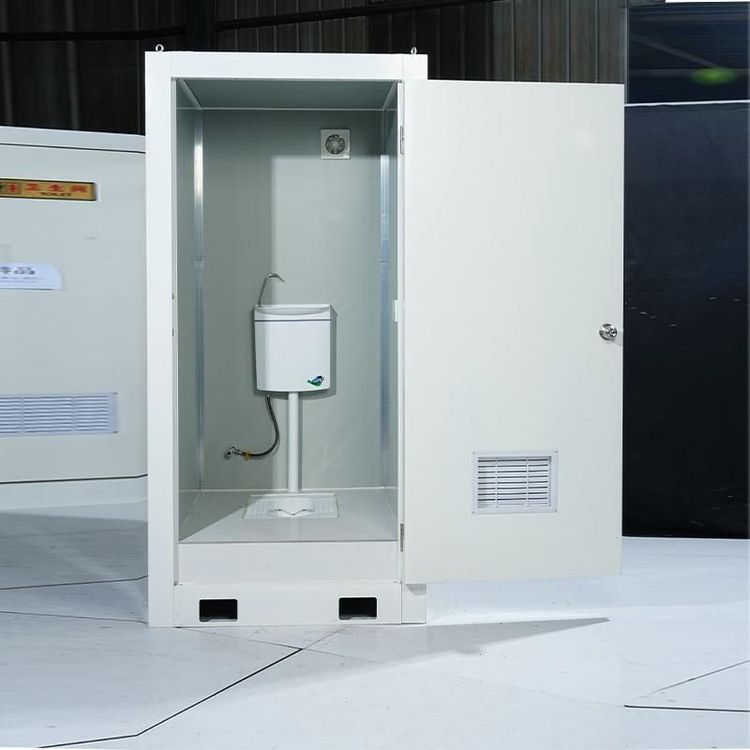
15Nov