
Back to blog
Article
Container House Forum
Admin September 15, 2026
Container houses are a type of building that uses containers as basic modules, which are assembled and modified to form habitable or usable structures. They are characterized by flexibility, efficiency, and cost-effectiveness, and are widely used in temporary housing, commercial, and office settings.
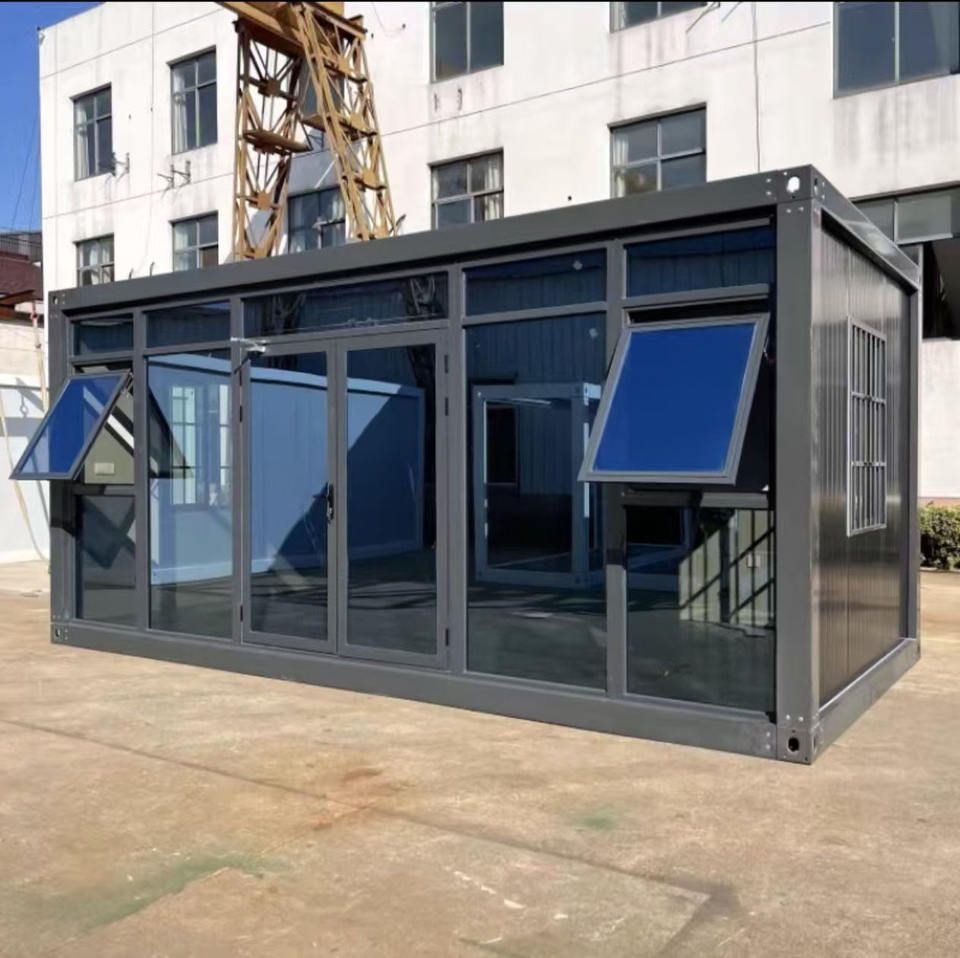
I. Core Features
- Modular Design: Using standard containers as units (e.g., 20-foot, 40-foot), they can be quickly combined into buildings of different scales through assembly and stacking, without the need for complex civil engineering works, resulting in short construction periods (typically 3-7 days for completion).
- Flexibility and Portability: With a lightweight structure, they can be relocated as a whole using professional trailers, adapting to temporary scenarios such as construction sites, exhibitions, and disaster areas. Moreover, no construction waste is generated during relocation, aligning with green and environmentally friendly concepts.
- Cost Advantages: Compared to traditional brick-and-mortar houses or office building rentals, container houses have lower construction costs (e.g., the total cost for a 100㎡ office is several tens of thousands of yuan, and they can be reused). Additionally, there is no need for long-term rental investments, lowering the threshold for entrepreneurship or temporary housing needs.
II. Structure and Craftsmanship
- Materials and Reinforcement: The container body adopts integral welding technology, with customizable steel plate thickness and load-bearing capacity. The framework is made of light steel structures (Q235 material), paired with insulation and fireproof materials such as rock wool boards and glass wool boards to ensure durability and safety.
- Corrosion Resistance and Appearance: The surface is sprayed with epoxy zinc-rich primer and topcoat, meeting corrosion resistance standards. Customizable appearances are supported, such as imitation brick patterns and wood grain metal carved panels, breaking away from the industrial feel of traditional containers.
- Internal Functions: Modules such as bathrooms, kitchens, and smart home systems can be integrated, with a high degree of prefabrication, allowing for quick commissioning after on-site hoisting.
III. Application Scenarios
- Temporary Housing: Construction site dormitories, disaster relief housing, outdoor camping sites, etc., addressing short-term housing shortages.
- Commercial Innovation: Container shops, cafes, convenience stores, etc., creating low-cost网红打卡点 (internet-famous check-in spots) that support rapid deployment and relocation.
- Office Spaces: Mobile offices, project department housing, meeting flexible office needs, especially suitable for cross-regional operational teams.
- Special Scenarios: Desert camps, World Cup 'fan villages', etc., adapting to extreme environments or large-scale temporary demands.



