Back to blog
Article
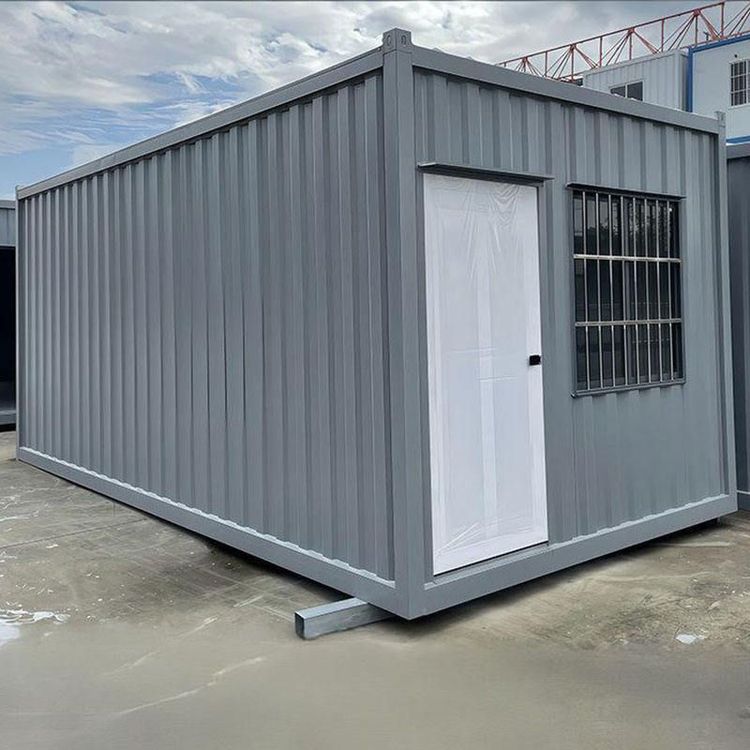
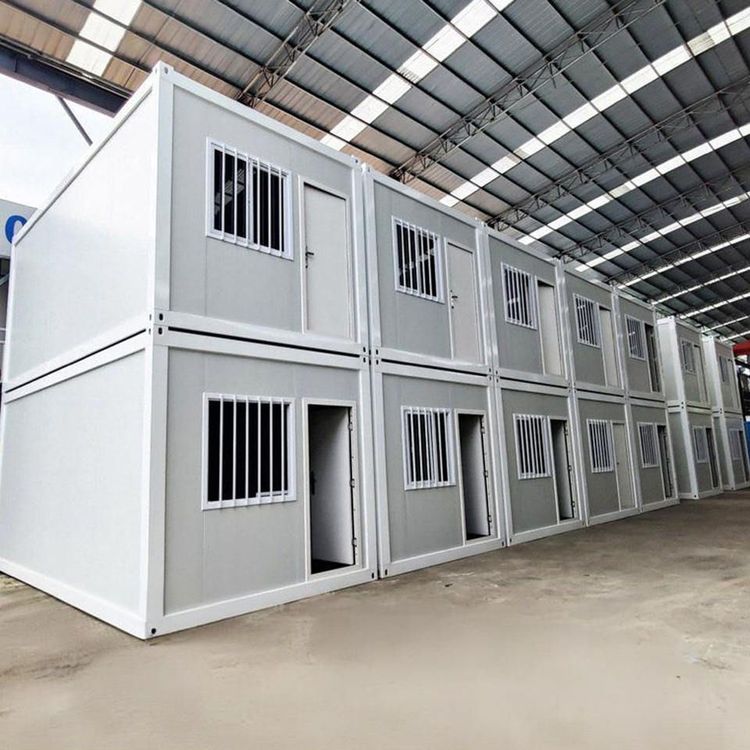
Foreign Trade Website for Container Houses
Admin September 17, 2026
The construction of a foreign trade website for prefabricated temporary buildings and container houses is crucial for enterprises going global, but there are many challenges and pain points that need to be addressed specifically to achieve efficient global expansion.

I. Core Values of Foreign Trade Website Construction
- Establish Brand Trust: Through an independent website, comprehensively display factory qualifications, production capabilities, global project cases, and international certifications such as CE to eliminate overseas customers' doubts about the supplier's strength. For example, engineering contractors and general construction contractors prioritize verifying a company's qualifications through its official website during the对接 (对接 here means initial contact or negotiation, but for a more natural English term, we can use 'initial engagement'). Lack of a professional website can easily lead to elimination.
- Obtain Precise Traffic: Independent websites can capture precise traffic from overseas buyers searching for keywords through Google SEO optimization, reducing reliance on third-party platforms. For example, optimizing for long-tail keywords such as 'quick-assembly prefabricated houses for construction sites' and 'movable foldable residential containers' can attract target customers.
- Accumulate Private Domain Traffic: Data on independent websites belongs to the enterprise, which can continuously follow up on inquiries through channels such as WhatsApp, email, and social media, forming a closed loop of 'inquiry-quotation-transaction' and preventing customer resources from being lost to platforms.
II. Main Pain Points in Current Foreign Trade Website Construction
- High Technical Threshold: Traditional outsourced development is costly and requires dedicated technical personnel for maintenance. Additionally, self-built servers are prone to issues such as slow overseas access and non-standard Google SEO architecture, making it difficult for websites to be indexed.
- Lack of Functionality: Many websites only have simple display functions and lack engineering inquiry forms, sample material downloads, multi-channel customer service entrances, etc. Overseas customers cannot quickly obtain quotations, affecting conversion rates.
- Difficulty in Multilingual Adaptation: Target markets cover small-language countries such as Arabic, Russian, and Spanish. Manual translation involves a huge workload and poor quality. At the same time, a lack of understanding of Google SEO rules leads to low natural search traffic.
- Insufficient Cross-border Transaction Support: Some websites cannot adapt to overseas payment, customs duties, and logistics configurations and can only serve as display tools, unable to complete online transactions.
III. Solutions and Recommendations
- Choose Professional Website Building Tools: Adopt website building platforms that support multilingual capabilities, overseas server deployment, and SEO optimization to reduce technical thresholds and costs.
- Improve Website Functionality: Add inquiry forms, case libraries, qualification certificate downloads, and multilingual customer service entrances to enhance the user experience.
- Optimize Keyword Layout: Target the language habits of the target market and layout keywords such as 'foreign trade container offices' and 'cross-border foldable container houses' to improve natural search rankings.
- Integrate Cross-border Transaction Services: Connect to overseas payment and logistics interfaces and provide customs duty calculation tools to achieve full-process online operations.
Related