
Back to blog
Article
How About Starting a Business with a Container House
Admin September 17, 2026
Starting a business with a container house offers multiple advantages and is a popular choice in current commercial operations, but there are also some considerations to keep in mind.
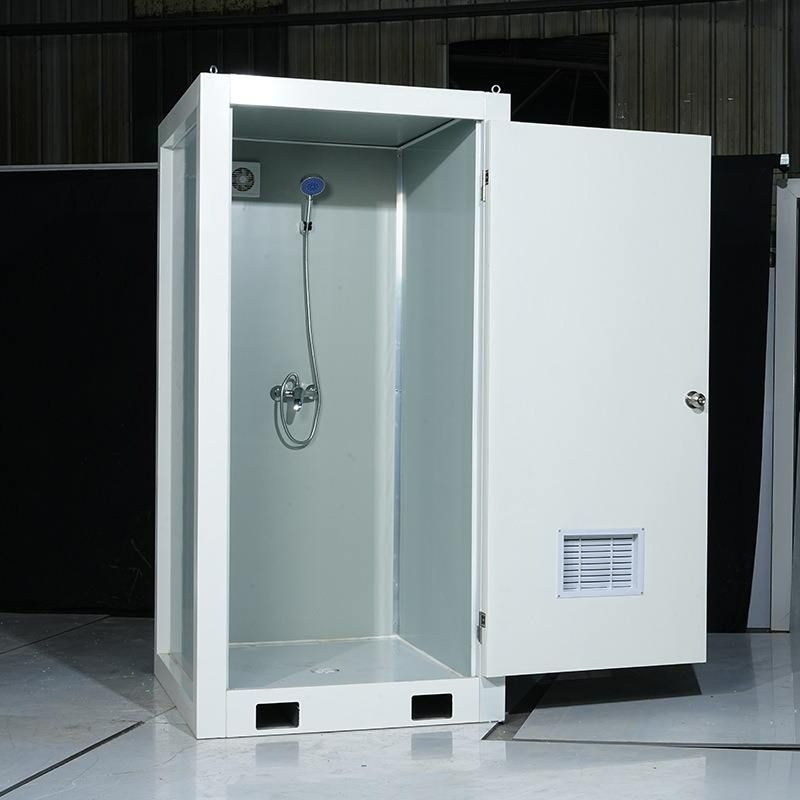
Advantages:
- Fewer restrictions on project implementation: Container shops are off-the-ground modular buildings that do not require large-scale civil construction. As long as they comply with local land use regulations, they can bypass the complex and lengthy civil construction approval process, significantly shortening the preparation period and enabling quick opening for business. This makes them particularly suitable for temporary commercial projects and pop-up markets.
- Revitalizing idle site resources: Placing container shops in urban corners, vacant lots around shopping malls, and idle areas in industrial parks—places where permanent buildings are difficult to construct—is a great way to transform idle land into revenue-generating commercial spaces with low investment.
- Inherent attraction for social media sharing: Container houses have a unique industrial style, and their appearance, colors, and shapes can be customized as needed. Paired with large glass windows, terraces, and lighting, they have high visual recognition. Customers are willing to take photos and share them on social media, providing a low-cost customer acquisition method for newly opened small shops and commercial district supporting businesses.
- Relocatable and reusable, with flexible business adjustments: If the commercial district planning changes or the market period ends, container shops can be hoisted and relocated as a whole to continue use at a new site. If the business is not performing well, the business category can be changed or the internal layout can be modified. The assets can be reused repeatedly, resulting in lower investment risk compared to traditional storefronts.
- Low cost: Shops can be created by renting or purchasing containers, avoiding high rent and renovation costs. Operational costs such as energy and maintenance are also relatively low.
Considerations:
- Early planning for site selection, foundation treatment, insulation, and waterproofing: A comprehensive assessment should be made based on the project's operating cycle and site conditions. Issues such as site compliance, insulation, soundproofing, and renovation should also be addressed. For example, in cold regions, inadequate insulation can lead to excessively low indoor temperatures in winter, affecting customer experience and product preservation.
- Compliance issues: Ensure that the site use complies with local regulations to avoid penalties or forced closure due to non-compliance.



