
Container House Floor Tile Installation
Container houses can have floor tiles installed, but appropriate materials and construction methods need to be selected based on the house's purpose, structural characteristics, and ground foundation conditions. Here is a detailed analysis:
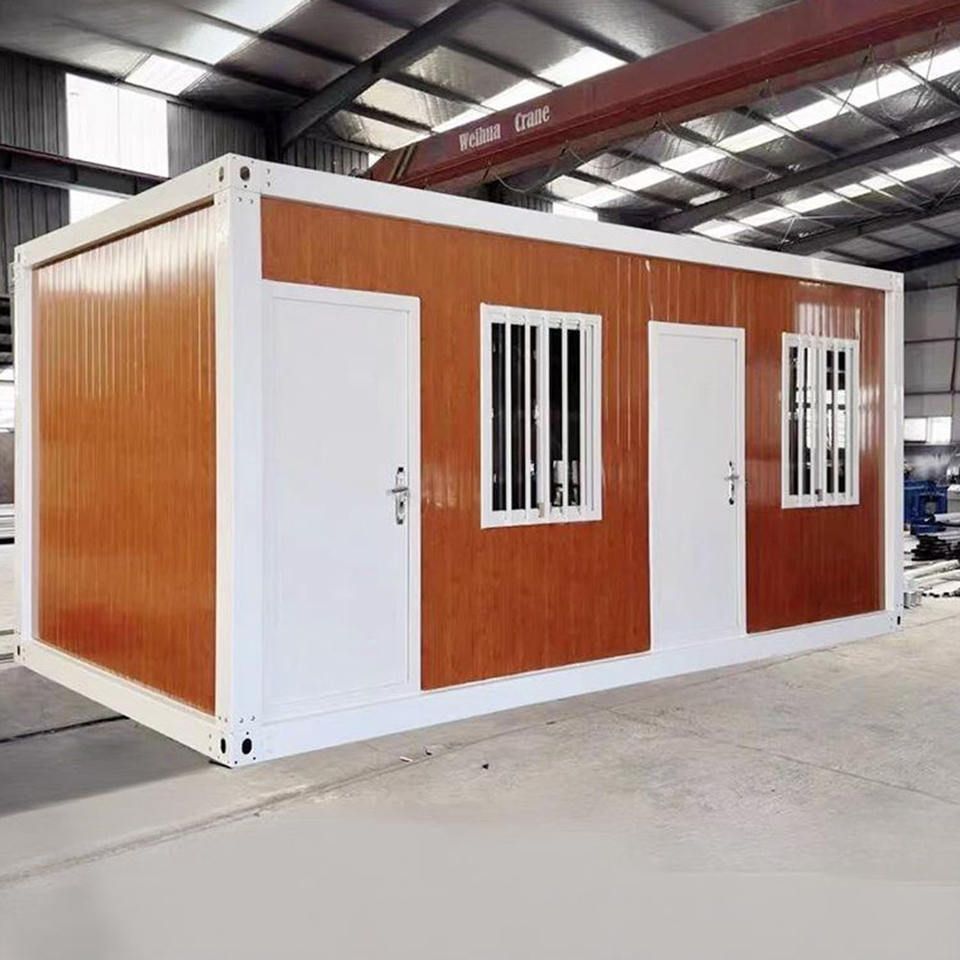
I. Ground Foundation Conditions of Container Houses
Container houses are usually composed of modified shipping containers or factory-prefabricated frame structures. Their original floors are mostly made of metal materials (such as corrugated steel plates) or wooden subfloors. If floor tiles are to be laid directly, three major issues of flatness, moisture resistance, and load-bearing capacity need to be addressed. For example, metal floors are prone to deformation due to temperature differences and require a moisture-proof layer and leveling treatment first; wooden subfloors need to be checked for decay or looseness and reinforced or replaced if necessary.
II. Suitable Floor Tile Types and Construction Points
PVC Floor Leather
- Engineering leather with a thickness of 1.0mm - 2.0mm is a common choice for container houses. It has the characteristics of waterproof, anti-slip, and easy installation, making it suitable for temporary residences or construction site dormitories. During construction, special glue should be used for pasting to ensure there are no bubbles or wrinkles.
- Reference case: The solid-color PVC floors directly supplied by manufacturers in Guangzhou (¥8.55/㎡) have a repurchase rate of 29% and are suitable for rental houses, container houses, and other scenarios.
Magnesium Oxide Board + Tiles
- Magnesium oxide boards have the characteristics of fire resistance, moisture resistance, and strong load-bearing capacity and can be used as base materials. First, lay magnesium oxide boards (with a thickness of more than 15mm), then use cement mortar for leveling, and finally lay tiles. This solution is suitable for container houses for long-term residence, but the cost is relatively high (e.g., magnesium oxide boards in Langfang City cost ¥20.9/㎡).
- Precautions: It is necessary to ensure that the container structure can bear the weight of the tiles to avoid deformation due to excessive ground loads.
Wooden Flooring
- If the container house is used for commercial exhibitions or high-end residences, all-eucalyptus plywood (such as the product from Tianjin City, ¥36.1/㎡) can be selected as the base layer, and then solid wood floors or composite floors can be laid. During construction, expansion joints should be reserved to prevent the wood from cracking due to humidity changes.
III. Solutions for Special Scenarios
- Temporary container houses: Give priority to PVC floor leather or elevated PVC plastic floors (such as the product from Xiamen City, ¥21.5/㎡), which are convenient for disassembly and reuse.
- High-humidity environments: Select magnesium oxide boards or waterproof tiles and design proper ground drainage (such as digging drainage ditches around the container body).
- Insulation requirements: Lay thermal insulation cotton (such as rock wool boards) on the ground before laying floor tiles to improve living comfort.



