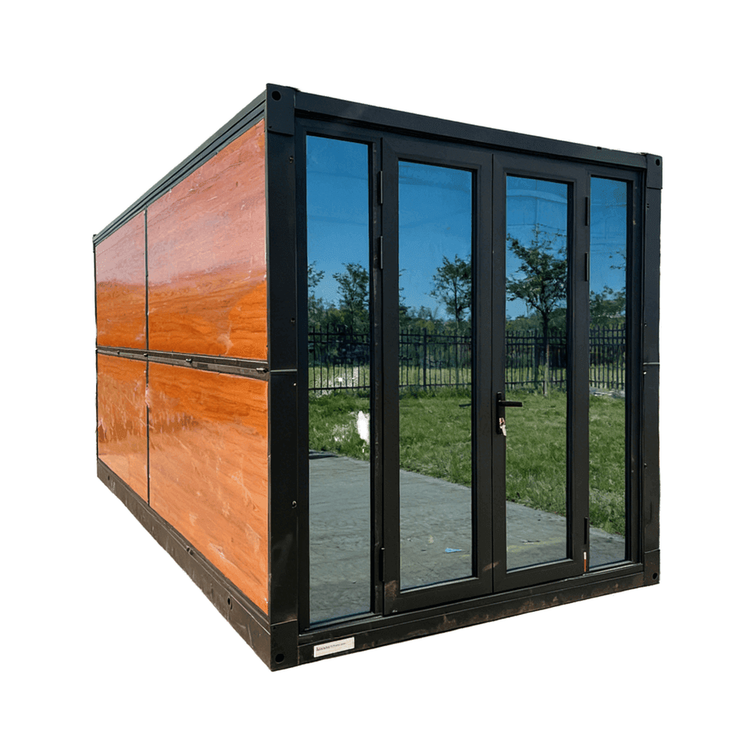
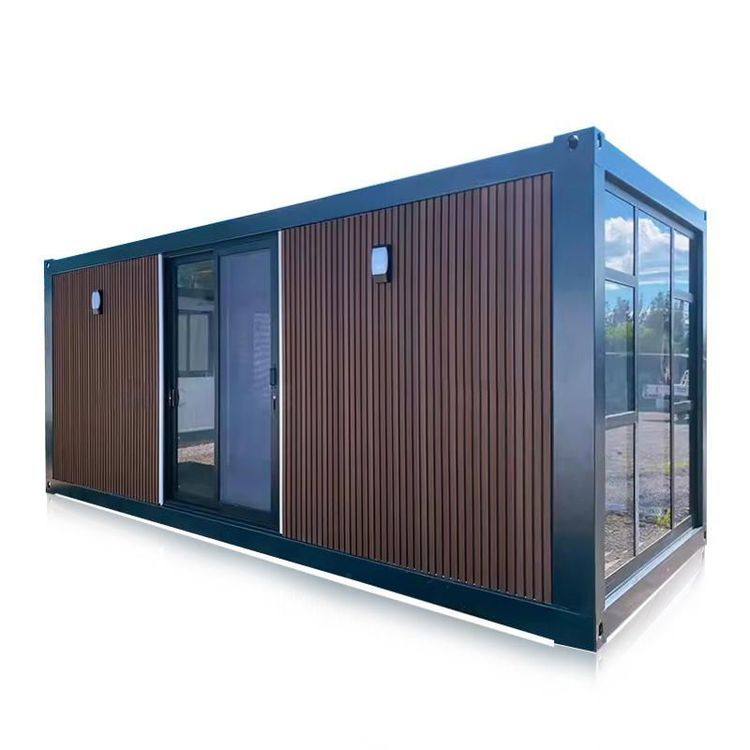
Floor Heating in Container Houses
Container houses can be equipped with floor heating, but efficient heating requires a combination of thermal insulation measures and reasonable design. Here is a detailed analysis:

1. Thermal insulation performance of container houses is fundamental
The outer skin of container houses is mostly made of metal, which has a low specific heat capacity and high heat transfer efficiency. Without thermal insulation treatment, indoor heat is prone to loss in winter. Therefore, enhancing thermal insulation performance is necessary before installing floor heating:
- Material selection: Add thermal insulation layers to the exterior and interior walls, such as polystyrene boards, polyurethane foam boards, or rock wool boards. These materials have low thermal conductivity and can effectively block heat transfer. For example, the national "Technical Standard for Steel Structure Integrated Houses" requires that the heat transfer coefficient of the walls of residential container houses be ≤0.45W/(㎡·K), which is 1.8 times the thermal insulation efficiency of traditional brick-and-mortar walls.
- Structural optimization: Adopting a double-layer container structure or sandwich panel walls (such as an outer layer of anti-corrosion color-coated steel plate + an intermediate layer of polyurethane foam + an inner layer of fire-resistant gypsum board) can further improve thermal insulation performance. Actual measurements show that in summer, the temperature rise inside the cabin is 22 minutes slower than that outside, and in winter, the indoor temperature only drops by 1.3℃ after being closed for 8 hours, providing a more stable feeling.
2. Adaptability of the floor heating system
When installing floor heating in container houses, space height and heating efficiency need to be considered:
- Type selection: Graphene floor heating or electric heating film floor heating are more suitable for container houses due to their thin thickness, fast heating, and no need for complex pipeline laying, saving floor height. For example, graphene floor heating is only 2-3 centimeters thick, suitable for the limited internal height of container houses.
- Power calculation: Calculate the required floor heating power based on the area of the container (e.g., the area of a standard 3m×6m container is 18㎡) and its thermal insulation performance. Generally, the power per square meter is between 120-150W, and houses with poor thermal insulation need to appropriately increase the power.
3. Construction key points and detail handling
- Floor treatment: Before laying the floor heating, the container floor needs to be leveled, and a moisture-proof film and thermal insulation board (such as extruded polystyrene board) should be laid to prevent heat loss downward.
- Pipe/electric heating film fixation: If hydronic heating is used, the pipes should be fixed with clips; if electric heating films are used, ensure good contact with the ground insulation material to avoid short circuits.
- Temperature control system: Install an intelligent thermostat to automatically adjust the operation of the floor heating according to the indoor and outdoor temperatures, ensuring both comfort and energy savings.
4. Practical case references
Some container house projects have successfully applied floor heating systems. For example, the container houses of Qinghai Guangzan Light Steel House Engineering Co., Ltd. have achieved居住舒适性 (living comfort) comparable to that of buildings by thickening thermal insulation materials and integrating equipment such as air conditioners and floor heating. In addition, a double-layer container café in Moganshan uses sandwich panel walls with aluminum foil reflective layers and a bottom ventilation slot design, maintaining a relatively stable indoor temperature in winter even without turning on the air conditioner.