
Back to blog
Article
Flame-Retardant Boards for Container Houses
Admin September 15, 2026
Flame-retardant boards for container houses typically use materials such as Class A fire-resistant rock wool, fire-resistant cotton, or Class A fire-resistant magnesium oxide boards. Their fire-resistant performance must meet relevant national standards to ensure safety during use.
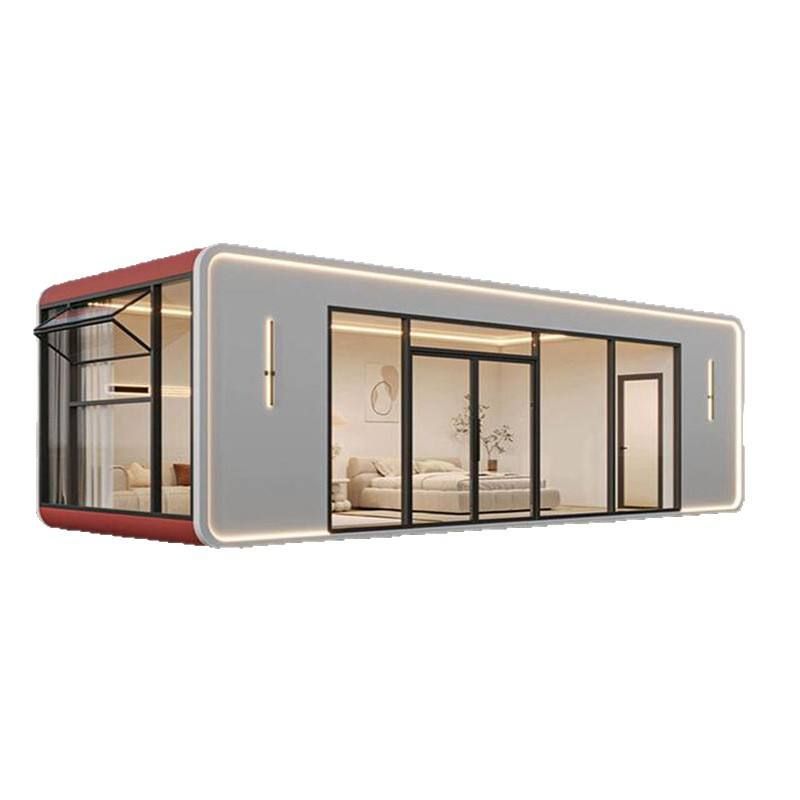
1. Common Flame-Retardant Board Materials and Their Characteristics
Class A Fire-Resistant Rock Wool
- Material Composition: Made from natural ores like basalt, which are melted at high temperatures and then fiberized.
- Fire-Resistant Performance: Class A non-combustible material that does not soften or deform at 800°C, releases no toxic smoke during fires, and has a high fire-resistance limit.
- Application Scenarios: Commonly used for wall panel filling in container houses. For example, Zeyu Housing's foldable container wall panels are filled with Class A fire-resistant rock wool, significantly enhancing compressive strength and preventing deformation during transportation.
Fire-Resistant Cotton
- Material Composition: Typically inorganic fiber materials such as glass wool or ceramic fibers.
- Fire-Resistant Performance: Class A non-combustible with excellent high-temperature resistance, no dripping during combustion, and low smoke density.
- Application Scenarios: Often used for insulation or thermal barriers in container houses, requiring composite use with structural layers to meet fire-resistant requirements.
Class A Fire-Resistant Magnesium Oxide Boards
- Material Composition: Made primarily of magnesium oxide cement and glass fibers, pressed through a special process.
- Fire-Resistant Performance: Meets the A1 non-combustible rating of the GB8624-2012 standard, with a fire-resistance limit of ≥5 hours, smoke toxicity of AQ1 (non-toxic release), and a 1350°C temperature resistance that can withstand flame喷射 (flame impingement).
- Application Scenarios: Commonly used for floors and ceilings in container houses. For example, all Zeyu container houses come standard with Class A fire-resistant magnesium oxide boards, providing long-term fire protection.
2. The Importance of Flame-Retardant Boards in Container Houses
- Preventing Fire Spread: Container houses often use steel structures, which are prone to deformation and collapse under high temperatures during fires. Flame-retardant boards can delay the spread of fire, buying time for evacuation and firefighting.
- Reducing Toxic Smoke: Inferior core materials (such as polystyrene and polyurethane) release large amounts of toxic smoke when burned, whereas Class A flame-retardant boards release no or low toxicity smoke, reducing the risk of casualties.
- Complying with Fire Codes: According to requirements such as the "Code for Fire Protection Design of Buildings," temporary buildings must use non-combustible or fire-resistant materials. Flame-retardant boards are key materials that meet these requirements.
3. Considerations for Selecting Flame-Retardant Boards
- Certification Standards: Prioritize Class A materials that have passed national fire certifications (such as GB8624-2012) and avoid using uncertified or lower-grade products.
- Material Thickness: Choose the appropriate thickness based on the application scenario. For example, floors that bear loads should use magnesium oxide boards of 8mm or more, while wall panel filling with rock wool should have a thickness of ≥50mm.
- Installation Techniques: Flame-retardant boards must be tightly integrated with the steel structure, avoiding gaps. Electrical wiring should be protected with conduits, and switch boxes should be made of galvanized metal and installed visibly.



